The upcoming Milano Cortina 2026 Winter Olympics are poised to offer a stark contrast to recent Olympic Games, with organizers aiming for an experience free from the stringent COVID-19 restrictions that characterized earlier events. This shift signals a significant change for athletes, allowing for greater interaction and a more traditional Olympic atmosphere, potentially revitalizing the Games' appeal.
Context: A Shift from Restrictive Bubbles
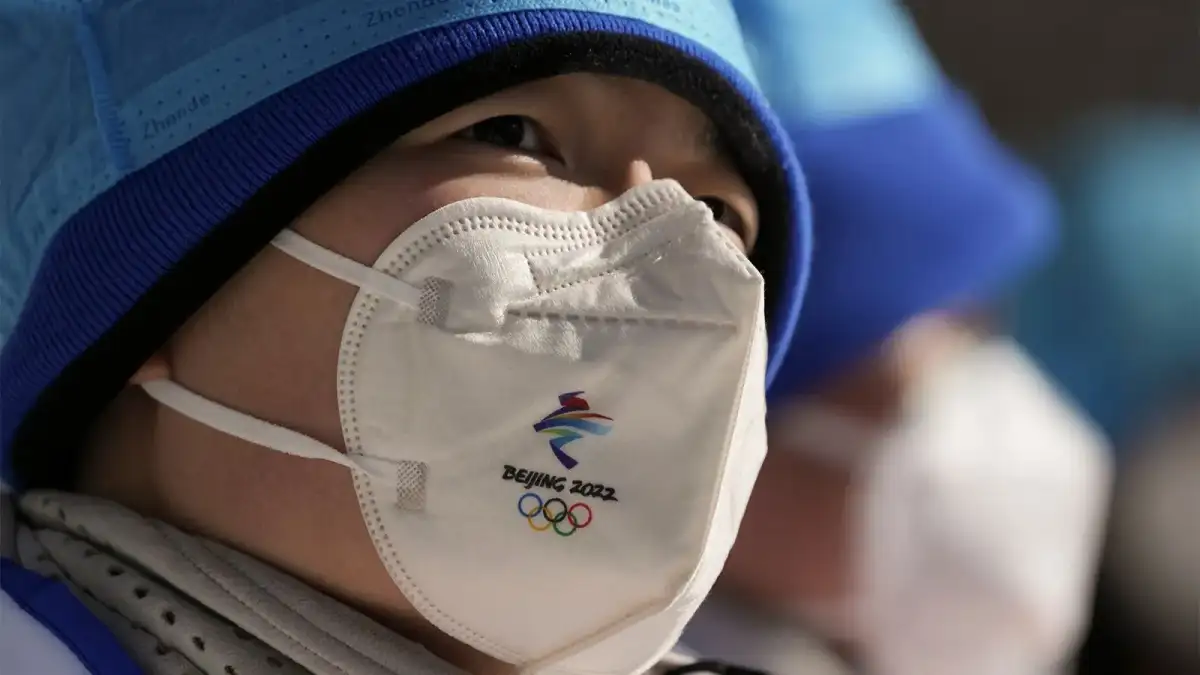
The COVID-19 pandemic led to the implementation of "germ-free bubbles" and "plastic shields" at recent Olympic Games, most notably the Tokyo 2020 Summer Olympics and the Beijing 2022 Winter Olympics. These measures, while necessary for public health, significantly altered the athlete experience, limiting their interaction with each other, the public, and even basic amenities like dining.

The Paris 2024 Summer Olympics, held two years prior to the Milano Cortina Games, are described as a "rebirth" of the Olympic brand, suggesting a public appetite for a more open and engaging event.
The Milano Cortina 2026 Winter Olympics will be held across various locations, including Milan and several Alps resort towns like Livigno. This distributed format is expected to contribute to a less confined and more integrated event.
Athlete Perspectives on Precedent
Athletes who have experienced multiple Olympic Games are noting the expected differences. Canadian snowboarder Mark McMorris, a participant in three previous Winter Olympics, has set goals for Milano Cortina that echo his past ambitions. However, the circumstances surrounding the event are what he finds most noteworthy.
Read More: NBA New Lottery Odds '3-2-1' To Stop Teams Losing Games
"As much as the good wine, good food, and not having to eat behind a plastic shield at restaurants, McMorris said he's simply glad to have the people who have backed him for years along for the ride."
This statement implies that the previous restrictions detracted from the overall experience, impacting not only the athlete's ability to enjoy the host city's offerings but also the presence of their support networks.

Comparing Olympic Environments
The distinction between the upcoming Milano Cortina Games and the Beijing Games is emphasized by the absence of the severe restrictions.
| Feature | Beijing 2022 Winter Olympics | Milano Cortina 2026 Winter Olympics (Projected) |
|---|---|---|
| COVID-19 Restrictions | Strict "germ-free bubble," isolation | Minimal to no COVID-19 restrictions |
| Athlete Interaction | Highly limited | Expected to be significantly increased |
| Dining Experience | Potentially restricted, e.g., "plastic shields" | Expected to be normal, with local cuisine |
| Overall Atmosphere | Controlled, insulated | Aiming for a more open and traditional feel |
The Impact of a Traditional Olympic Experience
The return to a less restrictive environment could have a profound effect on athlete morale and performance.
Psychological well-being: Being able to freely interact with teammates, competitors, and support systems can alleviate the mental fatigue associated with prolonged isolation.
Engagement with culture: Access to local food, culture, and social interactions can enrich the Olympic experience beyond the competitive aspect.
Brand perception: A more engaging and less restrictive event could help rebuild public interest and support for the Olympic Games, especially following a period where the brand was seen as "stagnating."
Expert Analysis: Rebuilding the Olympic Spirit
While direct expert quotes are not available in the provided text, the narrative strongly suggests that the International Olympic Committee (IOC) and host organizing committees are prioritizing a more "normal" Olympic experience. This strategic pivot appears to be an attempt to recapture the essence of the Games, which is often defined by global connection and shared celebration, rather than medical containment. The success of the Paris Summer Games, characterized as a "rebirth," serves as a benchmark for this new direction.
Read More: Christian Pulisic to miss AC Milan vs Lazio match on October 5 2026
Conclusion: A Reshaped Olympic Landscape
The Milano Cortina 2026 Winter Olympics are being positioned as a significant departure from the COVID-impacted Games of recent years. The elimination of the strict "sports prison" environment, as described by some athletes, indicates a move towards a more traditional and open celebration of sport. This shift is expected to benefit athletes psychologically and culturally, while also aiming to re-energize the Olympic brand for a global audience. The success of this approach will be measured not only in athletic achievement but also in the ability to foster a sense of unity and shared experience, harkening back to pre-pandemic Olympic traditions.
Sources:
MedPage Today: "Free of 'Sports Prison,' Winter Athletes Get Shot at Olympics Without COVID Lockdown"
Context: General news reporting on the upcoming Olympics.
Link: https://www.medpagetoday.com/sportsmedicine/elitesports/119755
CBC Sports: "Free from 'sports prison,' winter athletes get chance to enjoy Olympics without a COVID lockdown"
Context: News reporting on the upcoming Olympics, focusing on athlete experience.
Link: https://www.cbc.ca/sports/olympics/winter/olympics-post-covid-games-milano-cortina-9.7073447