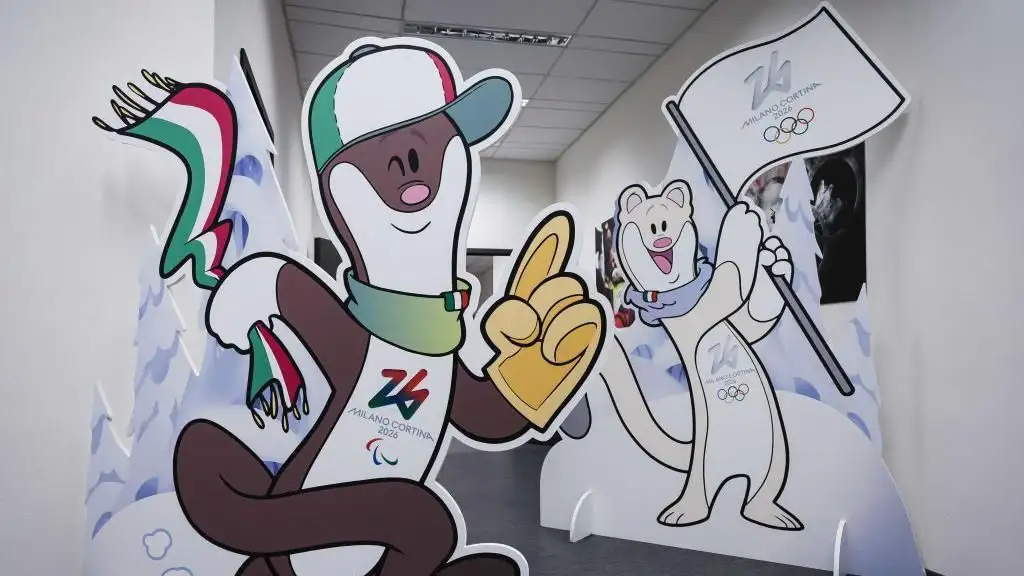
THE WINTER PARALYMPICS IN MILAN CORTINA WILL FEATURE SIX SPORTS, EACH SUBDIVIDED INTO CATEGORIES REFLECTING ATHLETES' IMPAIRMENTS. THESE CATEGORIES DICTATE HOW COMPETITIONS ARE STRUCTURED, OFTEN UTILIZING FACTORED TIMES TO ENSURE FAIRNESS AMONG DIVERSE LEVELS OF DISABILITY.
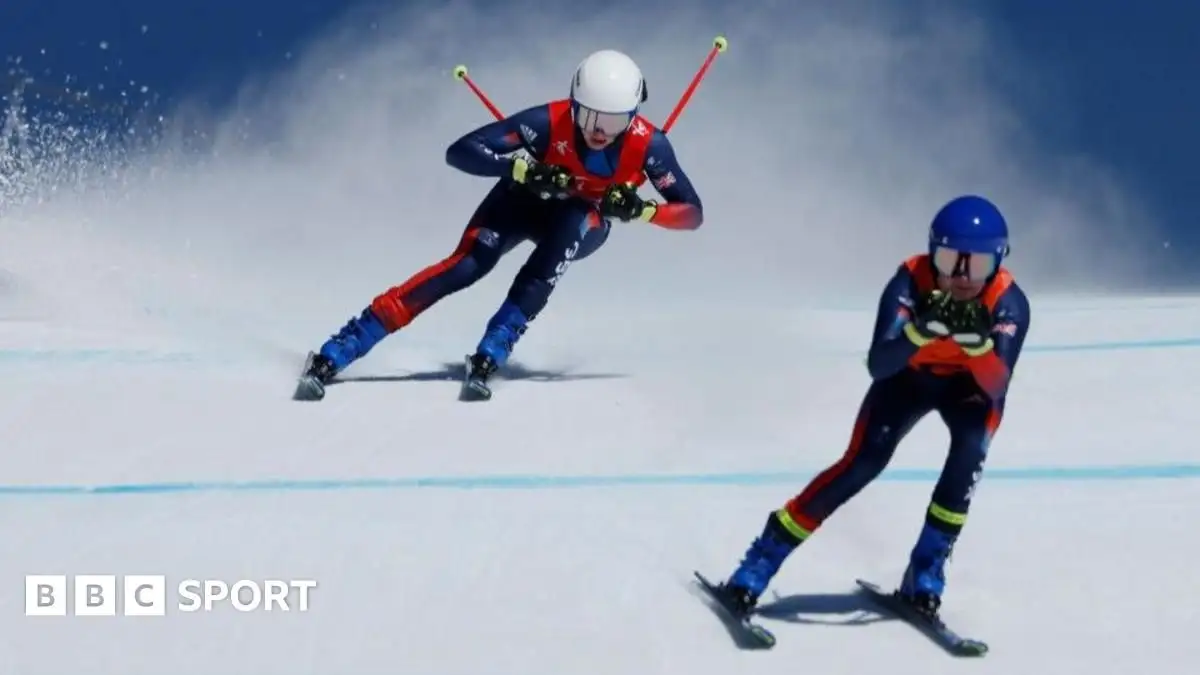
The upcoming games will showcase para Alpine skiing, para biathlon, para cross-country skiing, para ice hockey, para snowboard, and wheelchair curling. Across the skiing disciplines—Alpine, biathlon, and cross-country—athletes are grouped into three primary categories: 'standing', 'sitting', and 'vision impaired' (VI). Athletes in the VI category compete with a sighted guide providing real-time instructions.

Within para Alpine skiing, events are further broken down by these classification categories. For sitting skiers, the classification (LW 10-12) is determined by their trunk and leg control. Similarly, VI skiers (NS 1-3) are assessed based on their level of vision. Given the wide spectrum of impairments within each classification, a system of 'factored times' is employed, allowing athletes to compete against one another across different impairment levels.
Para snowboarding will offer eight medal events across two disciplines: 'banked slalom' and 'snowboard cross'. Para ice hockey is characterized by athletes using specialized sleds equipped with two skate blades, a format described as a high-octane blend of "sleds, blades, sticks, chaos."
Read More: FIFA World Cup 2026 Revenue Reaches $15 Billion With New Ticket Prices
The Tesero Cross-Country Skiing Stadium is slated to host both para biathlon and para cross-country skiing competitions. Para biathlon, mirroring its Olympic counterpart, combines cross-country skiing with rifle shooting. Both para biathlon and para cross-country skiing extensively utilize the 'sit-ski', a device mounted on cross-country skis for seated athletes, though other adaptive ski equipment is also employed.
In para cross-country skiing, the event structure includes six individual races and two relay events. These relays are notable for incorporating athletes from all disability categories, rather than having separate competitions for each. Para biathlon events include sprint and individual races across various distances for both men and women.
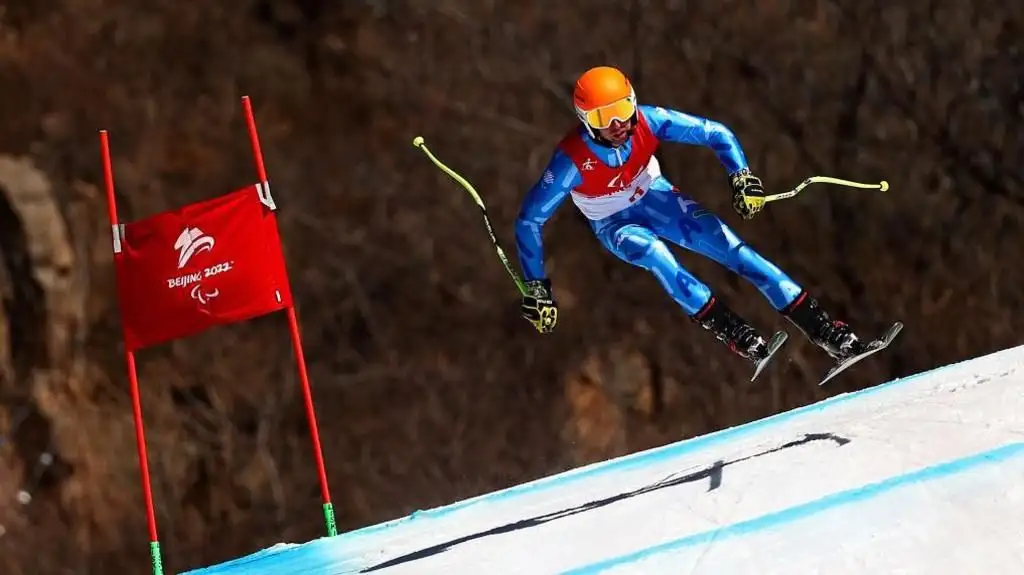
Para Alpine skiing is highlighted for its visual spectacle, involving disciplines like downhill, super-G, giant slalom, slalom, and combined events. Milan will serve as the venue for the para ice hockey tournament, while Cortina will host para Alpine skiing, wheelchair curling, and para snowboard.
Read More: Ina Forrest Aims for Gold Again at Milan Cortina 2026 Paralympic Games
The Milan Cortina Paralympics anticipate approximately 600 athletes competing for medals across 79 events. The International Paralympic Committee (IPC) frames its mission around fostering inclusivity through sport, overseeing the Paralympic Games, and supporting athletes in achieving peak performance. The games are set to span ten days, promising intense competition and emotional narratives.
Background and Context
The inclusion of six sports marks an expansion from previous Winter Paralympics, with para Alpine skiing and para cross-country skiing having been the sole events in earlier iterations, such as in Sweden. The evolution of the Paralympic program aims to present a more comprehensive showcase of adaptive winter sports. Athletes will compete across three distinct venue clusters: Milan, Cortina, and Val di Fiemme. The initial medal of the Milan Cortina games is scheduled to be awarded in the women's downhill VI para Alpine skiing event.
Read More: England World Cup Match: Pubs Open Until 5 AM Monday