A temporary removal of the game "Allumeria" from Steam, initiated by a DMCA claim from Microsoft, has been resolved with Microsoft withdrawing its claim. The incident highlights ongoing discussions about copyright in games, particularly within the voxel sandbox genre.
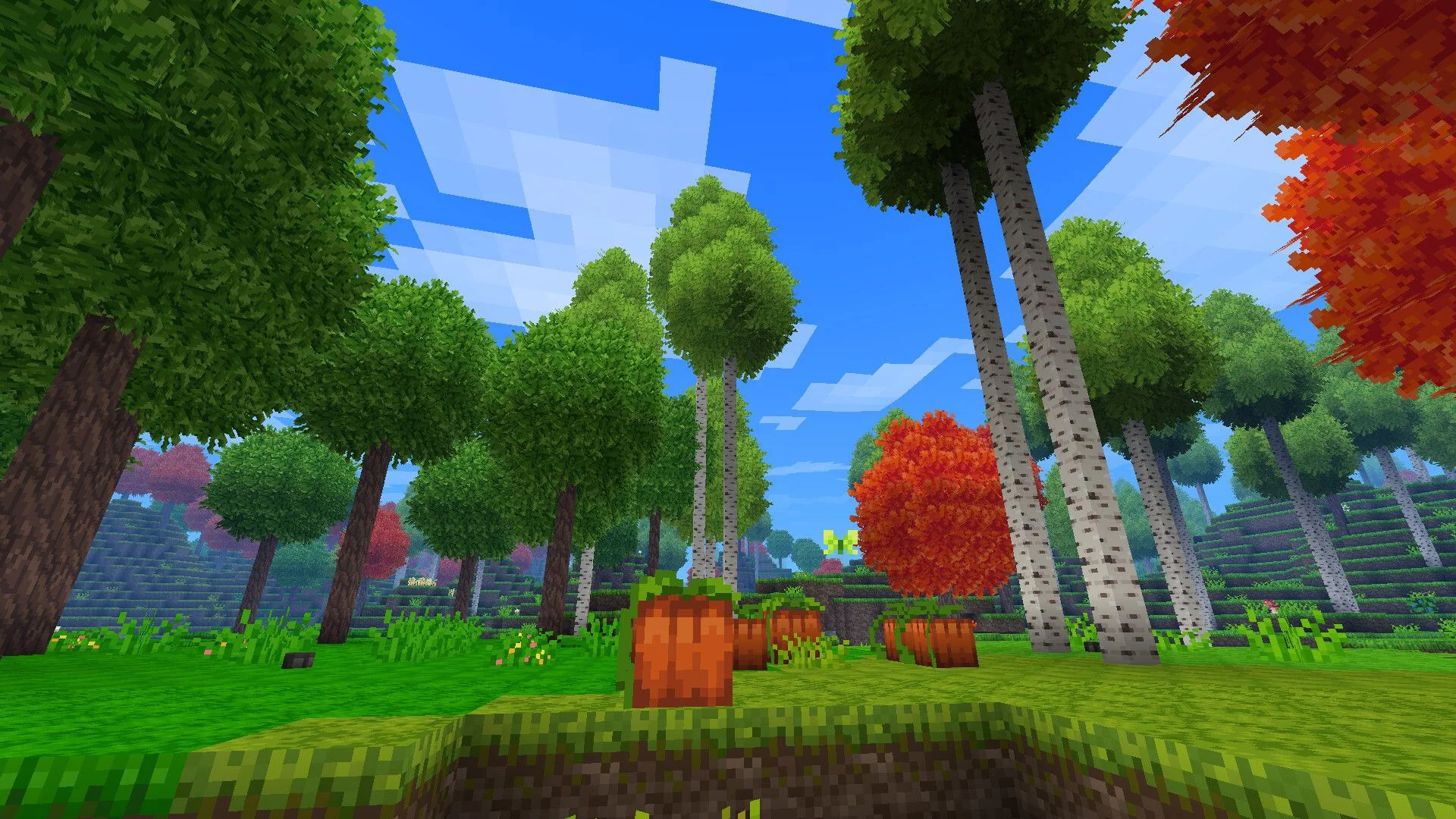
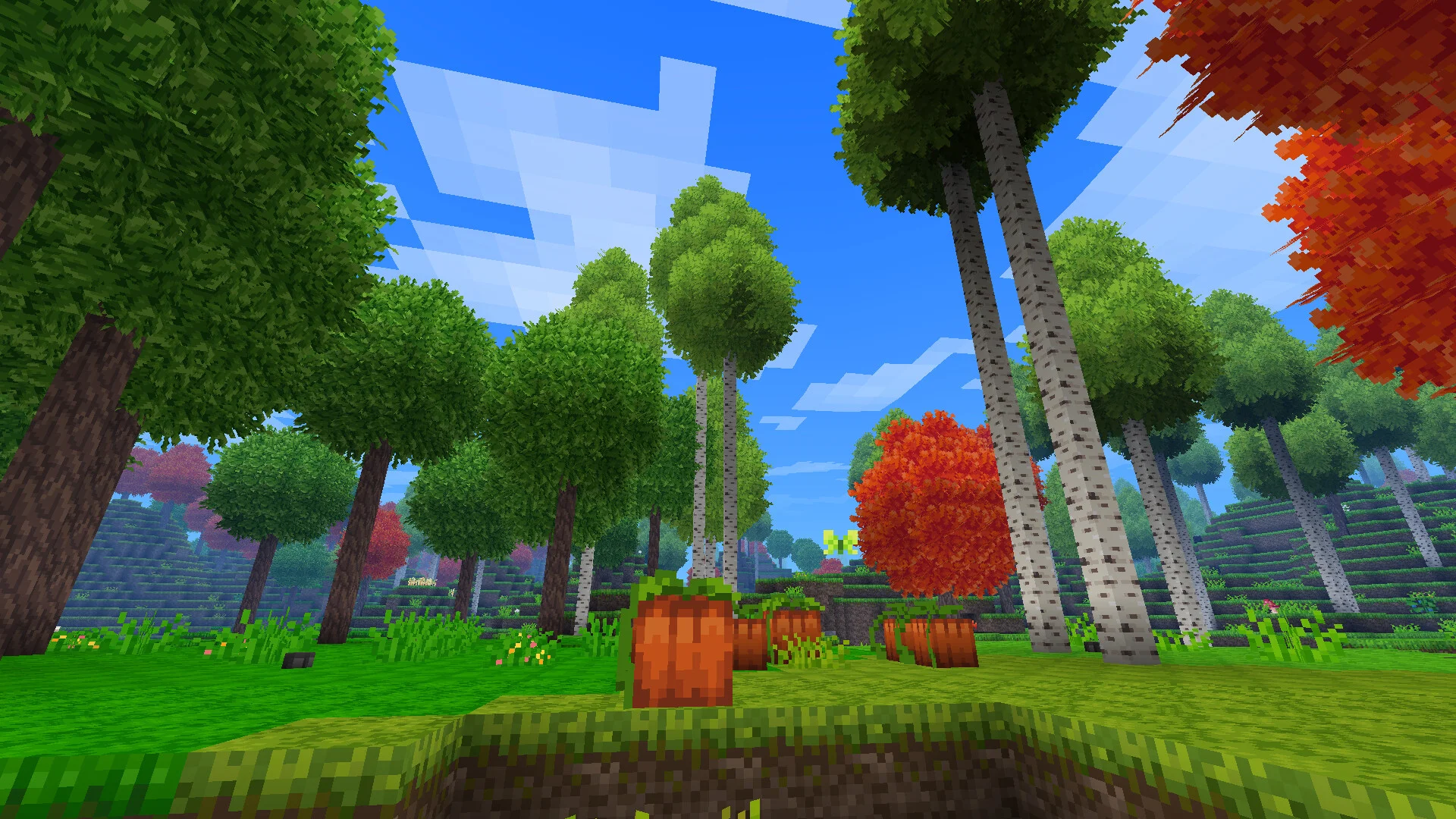
The situation began when Microsoft filed a Digital Millennium Copyright Act (DMCA) takedown notice against "Allumeria," an indie game developed by Unomelon. This action led to the game being removed from the Steam store, as confirmed by the developer and Valve. Unomelon publicly stated that the claim was "false" and related to alleged copyright infringement of "Minecraft." Microsoft's claim cited gameplay and assets, and in one instance, a screenshot of birch trees from "Allumeria" alongside a similar image from "Minecraft" was used as evidence of similarity. The developer expressed distress, noting the claim's impact on their work. Following the DMCA notice, "Allumeria" was no longer available on Steam, prompting concern among players and a debate about the fairness of such claims against independent creators. However, the situation was short-lived, with Microsoft later withdrawing its DMCA claim, leading to the restoration of "Allumeria" on Steam.
Read More: High on Life 2 Game Is Out, People Talk About Its Funny Jokes and New Skateboard Moves
Timeline of Events
Initial Claim: Microsoft filed a DMCA takedown notice against "Allumeria" with Valve.
Game Removal: "Allumeria" was subsequently removed from the Steam store.
Developer Statement: Unomelon, the developer, publicly declared the claim as false and related to "Minecraft" copyright.
Public Discussion: The incident sparked conversations about copyright issues in the indie game development space.
Claim Withdrawal: Microsoft withdrew its DMCA claim.
Game Restoration: "Allumeria" was reinstated on the Steam store.
Evidence of DMCA Claim and Withdrawal
Developer Unomelon shared email correspondence confirming Microsoft's DMCA claim and its subsequent withdrawal. Valve informed Unomelon that Microsoft had filed the takedown notice, alleging copyright infringement. The game's Steam page was restored after Microsoft rescinded its claim, without Unomelon needing to file a counter-notice.
| Actor | Action | Source |
|---|---|---|
| Microsoft | Filed DMCA takedown notice against "Allumeria" | Articles 1, 2, 3, 4, 5, 7, 8 |
| Valve | Removed "Allumeria" from Steam | Articles 4, 7 |
| Unomelon | Confirmed claim and removal, called it "false" | Articles 1, 3, 4, 5, 8 |
| Microsoft | Withdrew DMCA claim | Article 1 |
| Valve | Restored "Allumeria" to Steam | Article 4 |
Similarities and Discrepancies in Voxel Games
The DMCA claim against "Allumeria" has brought attention to the similarities between voxel-based sandbox games. Critics and observers note that many games in this genre share visual elements and gameplay mechanics.
Read More: Amazon Prime Was Faster and Saved People Money in 2025
Genre Trends: Voxel sandbox games, like "Minecraft," "Terraria," and "Hytale," often feature block-based building, exploration, and survival elements.
"Allumeria's" Design: The game "Allumeria" is described as a voxel sandbox title that draws inspiration from games like "Minecraft" and "Terraria." Its tags on platforms like Itch.io include "Voxel," "Sandbox," and "Minecraft."
Comparative Analysis: While "Allumeria" visually resembles "Minecraft," many observers find the similarities, particularly in a screenshot of birch trees, to be circumstantial without clear evidence of direct asset copying. The basis for Microsoft's claim, specifically a screenshot comparison, has been questioned by those pointing to other games in the genre with comparable aesthetics.
"Hytale" Example: The existence of "Hytale," another game with a strong visual resemblance to "Minecraft," which has not faced similar legal challenges from Microsoft, has been highlighted. The fact that "Hytale" is not sold on Steam may be a relevant distinction.
Developer Impact and Industry Concerns
DMCA claims can have a significant impact on independent game developers, affecting their livelihood and ability to release their work.
Read More: Highguard Game Studio Lays Off Workers After Game Release

Financial and Emotional Toll: Developers like Unomelon have expressed the damaging effects of such claims, including the removal of their games from sale and the emotional stress involved.
"False DMCA Claims": Unomelon's characterization of the claim as "false" suggests a potential overreach or misapplication of copyright law.
Platform Policies: Valve's process, which involves removing content upon receiving a DMCA notice, places the onus on the claimant to pursue legal action or withdraw the claim. The system's reliance on claims and counter-claims can create a burdensome process for small developers.
Broader Debate: This incident contributes to an ongoing discussion about the balance between protecting intellectual property and fostering innovation in the game development community.
Conclusion
Microsoft's withdrawal of its DMCA claim against "Allumeria" has resolved the immediate issue of the game's availability on Steam. The event, however, underscores the complexities and potential hardships faced by independent developers when dealing with copyright assertions, particularly in a genre characterized by shared aesthetic conventions. While Microsoft's initial claim focused on alleged infringements of "Minecraft" assets and gameplay, the swift withdrawal suggests that the basis for the claim may have been insufficient or mistaken. The incident serves as a reminder of the power of DMCA takedowns and the importance of clear intellectual property guidelines in the digital marketplace. Further clarification from Microsoft regarding the specific concerns that led to the claim and its subsequent withdrawal remains pending.
Sources
GamesIndustry.biz: Microsoft withdraws DMCA claim against indie developer Unomelon
Context: This source provides direct confirmation of Microsoft's withdrawal of the DMCA claim and quotes the developer referring to it as "false."
PC Gamer: Microsoft issues DMCA takedown on indie Minecraft-like, forcing it off Steam
Context: This article details the initial DMCA claim, the game's removal from Steam, and discusses the similarities between "Allumeria" and "Minecraft," questioning the basis of the claim.
Context: This source elaborates on the developer's claims of a "false DMCA" and points to a specific screenshot of birch trees as the apparent catalyst for the action.
80.lv: Microsoft DMCA Takes Down Steam Game, Then Is Reversed
Context: This article reports on the sequence of events: the DMCA takedown, the game's removal, and its subsequent restoration on Steam without developer intervention.
Notebookcheck: Microsoft issues DMCA takedown of Minecraft-like Steam game, raising copyright debate
Context: This report frames the incident within a broader copyright debate, highlighting the similarities between voxel games and questioning Microsoft's focus on "Allumeria."
Infinite Start: Microsoft revokes DMCA takedown from Allumeria in 2026
Context: This article, despite a potentially erroneous date in its URL, discusses Microsoft's action as a "blunder" and a potential "attack" on an indie game, drawing parallels to broader industry issues.
VGTimes (via AOL): Microsoft Takes Down an Indie Game From Steam for Resembling Minecraft — While Hytale Thrives
Context: This report compares "Allumeria's" situation to that of "Hytale," noting that "Hytale" is not on Steam, suggesting platform availability as a possible factor.
Giznewsdaily (via AOL): Tag: Allumeria
Context: This source provides a summary of the DMCA takedown and criticizes the targeting of "Allumeria" while acknowledging the general similarities in the voxel game genre.