Recent statements by Meghan Markle and Prince Harry positioning the Duchess as "the most trolled person in the world" have sparked critical commentary, with some observers suggesting these claims are designed to elicit sympathy. The remarks, made at various public engagements including a summit in New York in June 2025 and during a recent visit to Australia, have been met with skepticism, particularly concerning Markle's demeanor when discussing the alleged abuse.
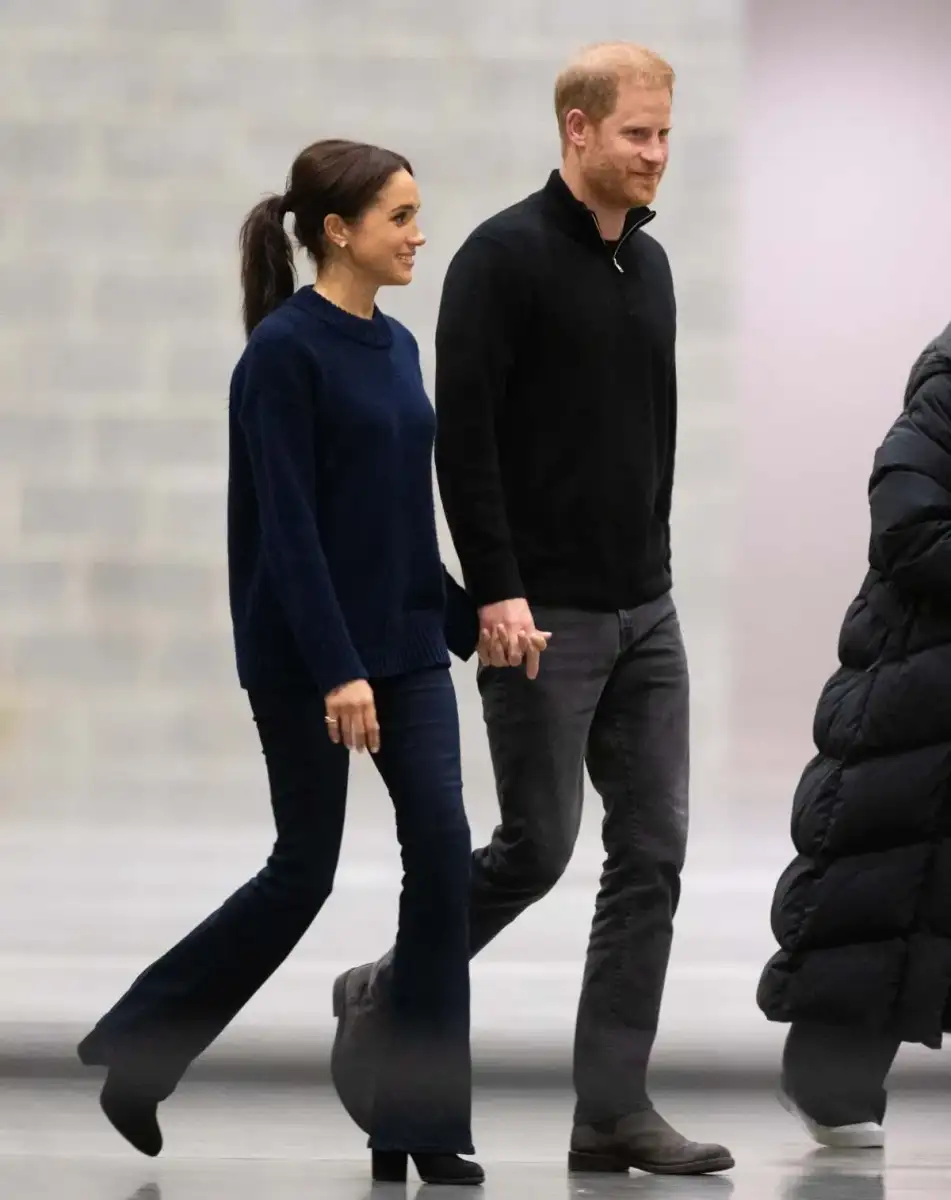
An analysis of Markle's presentation during a discussion on online bullying in a Sydney classroom highlights this disconnect. Experts point to her engagement with listeners, described as "eye behaviour," as potentially undermining the severity of her narrative. Rather than appearing distressed or withdrawn, her interactions are interpreted as calculated, aiming for a specific audience reaction rather than a spontaneous display of trauma.
Read More: Charlize Theron Shares 1991 Self-Defense Shooting Story

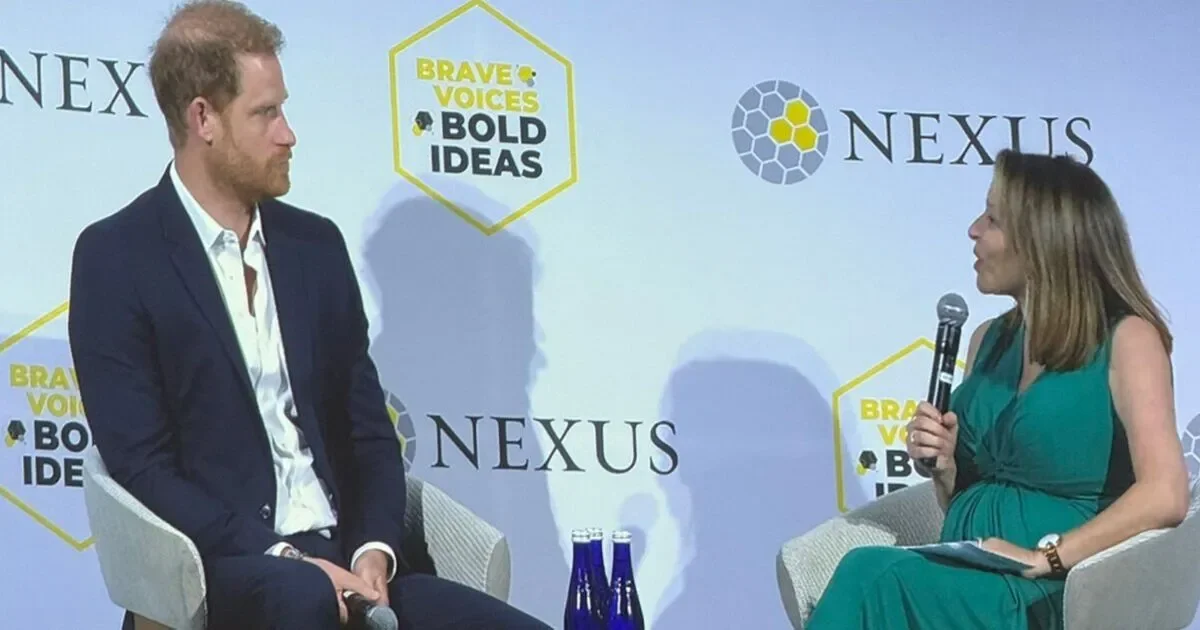
Prince Harry has been a vocal proponent of his wife's experience, referencing her being "the most trolled person in the world" in 2018. This assertion was reiterated at the Nexus Global Summit in New York on June 27, 2025, where he emphasized the importance of addressing online loneliness and fostering genuine connection. He framed these issues as central to their work, particularly after encountering families affected by social media-related tragedies.
The Duchess herself has referenced this period, stating in a 2020 podcast appearance that "in 2019, I was the most trolled person in the entire world - male or female." These repeated declarations, however, have fueled a narrative of Markle allegedly seeking a particular response, a charge that echoes broader criticisms of her public persona.

Further complicating the discourse are reports of ongoing, and potentially intensifying, online abuse directed at the couple, notably in relation to their ventures with streaming services. This, coupled with past accusations of difficult behavior and a perceived "constant needling" of the Royal Family, paints a complex picture of their public interactions. The recurring nature of these criticisms suggests a persistent tension between the couple's self-representation and external perceptions.
Read More: Verstappen Starts Australian GP 20th After Q1 Crash
Background: A Pattern of Controversy
The couple's departure from senior royal duties and subsequent public engagements have been marked by a series of controversies and allegations. Prince Harry's own remarks at the New York summit, urging attendees to "tackle the systems instead of the symptoms," have been interpreted by some as veiled critiques of established institutions, including his own family.
Reports from outlets like IBTimes and The Express have highlighted the differing perspectives on Markle's public statements. While some media outlets present her experiences as victimhood, others, like IBTimes, focus on analyses that question the authenticity of her expressions of distress. The juxtaposition of her claims of extreme online abuse with the perceived calculation in her public interactions forms the crux of the current debate.
The timeline of these events spans from 2018, when Prince Harry first stated Meghan was the "most trolled person," through subsequent public appearances and media narratives that continue to scrutinize their engagement with the public and the digital sphere.
Read More: Meghan Trainor Sells LA Home for $6.8M After Tour Cancelled