A recent explosion in an illegal coal mine in Meghalaya's East Jaintia Hills district, which claimed at least 18 lives, has prompted a significant shift in law enforcement strategy. Authorities are now directing police to move beyond apprehending laborers and focus on identifying and prosecuting the financiers and owners behind the illicit coal operations. This development follows persistent reports of widespread illegal mining, exacerbated by previous incidents and concerns over missing coal stockpiles.
Background of Illicit Coal Extraction and Enforcement Challenges
The East Jaintia Hills district has long been identified as a primary location for "rat-hole" coal mining, a method involving narrow, dangerous tunnels. Despite existing bans, these operations continue, often attracting workers with promises of high daily wages. Recent events have highlighted critical lapses in oversight and enforcement.

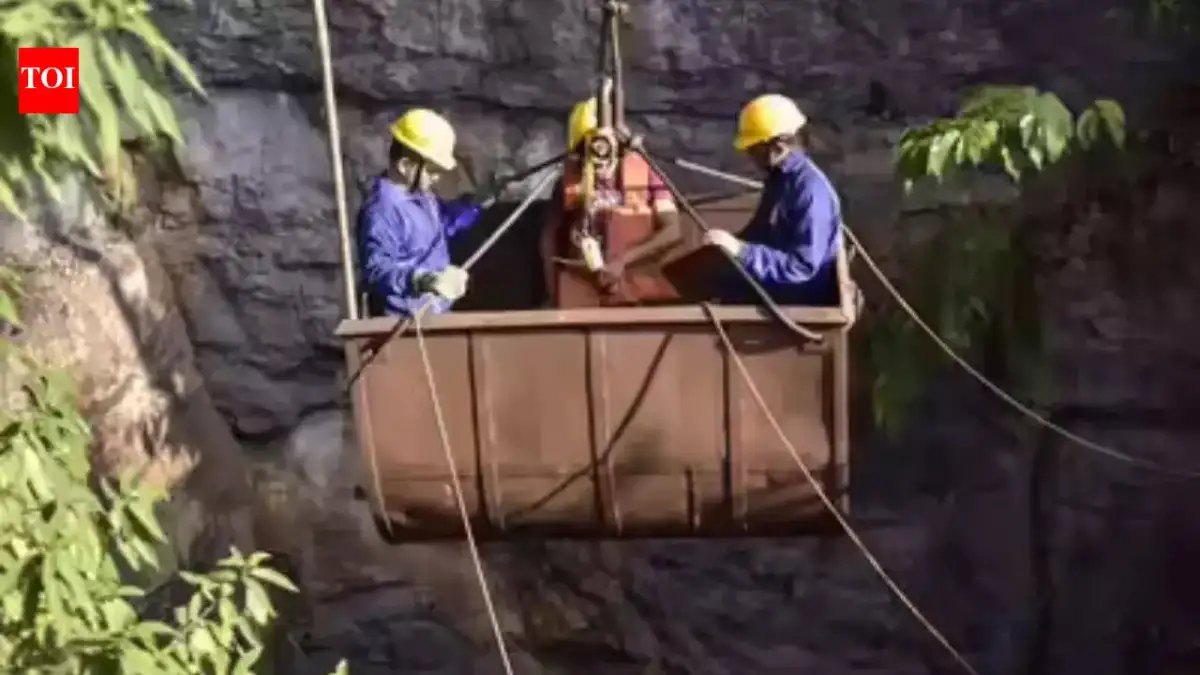
Fatal Incident: An explosion on February 6, 2024, in an illegal coal mine in the Thangsko area of East Jaintia Hills resulted in the deaths of at least 18 workers and injured one. The explosion is believed to have been caused by dynamite used in coal extraction.
Mine Owners Apprehended: Following the blast, Meghalaya police arrested two local mine owners in connection with the incident.
Continued Illegal Activity: Authorities acknowledge that illegal mining persists despite the ban. Social media inputs and local complaints have provided evidence of ongoing extraction.
Judicial Scrutiny: A panel established by the Meghalaya High Court has been actively investigating illegal coal mining in East Jaintia Hills. Their reports have consistently pointed to widespread unlawful extraction and recommended stricter monitoring.
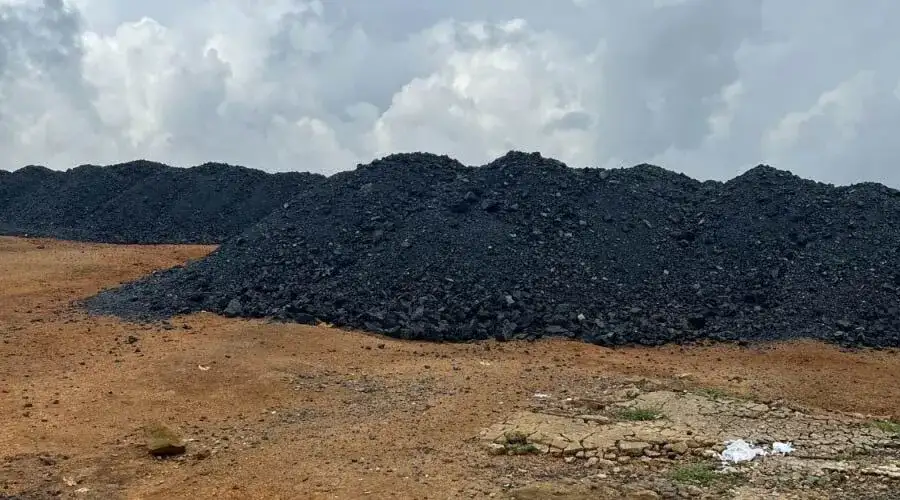
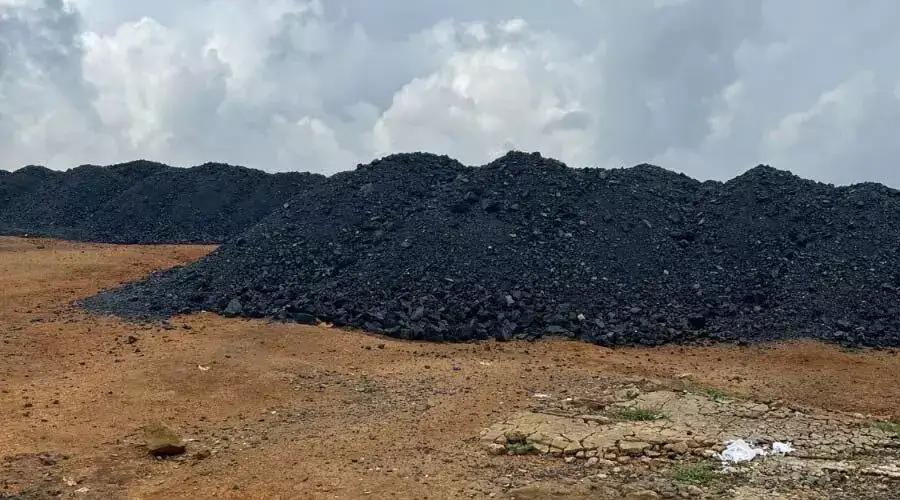
Missing Coal Stocks: Inquiries have also been initiated into the disappearance of approximately 4,000 metric tonnes (MT) of illegally mined coal from state-monitored depots in Rajaju and Diengngan villages. The Meghalaya government has ordered a probe into this alleged misappropriation.
Law Enforcement's Evolving Mandate
In response to the persistent issues, District Magistrate Manish Kumar invoked Section 163 of the Bharatiya Nagarik Suraksha Sanhita. This action imposes a ban on gatherings of five or more people around illegal mining sites in the Thangsko area.
Read More: Shillong Teer Lottery Results for February 13, 2026 Are Here
The core directive is to "hunt down financiers and owners of the illegal coal trade," signaling a move towards dismantling the economic infrastructure supporting these dangerous operations.
Conflicting Narratives on Oversight and Enforcement
While authorities are escalating efforts, questions remain about the effectiveness of past and present oversight mechanisms.
Admission of Intelligence Gaps
The District Magistrate's order implicitly acknowledges a deficit in ground-level intelligence, as evidence of continued illegal extraction was reportedly derived from social media and local complaints.
This suggests that traditional methods of monitoring and information gathering may have been insufficient.
The order's preamble mentions the possibility of local groups obstructing law enforcement or destroying evidence, hinting at potential complicity or intimidation within affected communities.
Judicial Panel's Findings and Recommendations
The Meghalaya High Court's panel has been vocal in its findings, consistently reporting that unlawful coal extraction remains widespread.
The panel recommended the immediate auction of re-verified coal stocks.
It also called for the Deputy Commissioner and Superintendent of Police to identify villages with ongoing illegal mining and ensure regular police presence.
Stricter monitoring of roads and entry points to prevent the transport of illegally sourced coal was also urged.
State Government's Response to Missing Coal
The investigation into the missing 4,000 MT of coal highlights concerns about the integrity of systems meant to manage and track stockpiles.
The Deputy Chief Minister has directed officials to launch a full probe into the alleged coal misappropriation.
The state's response will involve tracing diesel and coal inventories, examining movement, documentation, and conducting field verification.
The disappearance of these stocks has raised "serious questions about the state's mechanism for monitoring coal stock and preventing illegal transportation."
Expert Commentary and Observations
The persistent nature of illegal coal mining, despite numerous bans and incidents, suggests a complex interplay of economic incentives and enforcement challenges.
"Illegal mining thrives not because of ignorance, but because of inaction," as noted by the Meghalaya Monitor, points to a potential systemic issue where enforcement measures have not been consistently applied or adequately resourced.
The emphasis on financiers and owners indicates a strategic shift towards targeting the capital that fuels these operations, potentially disrupting the supply chain more effectively than focusing solely on the laborers at the extraction sites.
Conclusion and Future Trajectory
The recent fatalities and the ongoing investigations into missing coal stocks have clearly amplified the urgency for more robust action against illegal coal mining in Meghalaya. The directive to apprehend financiers represents a significant escalation in enforcement strategy, aiming to address the root economic drivers of the illicit trade.
Immediate Focus: Law enforcement is tasked with identifying and prosecuting individuals and groups financing illegal mining operations.
Evidence Gathering: Authorities will likely increase surveillance and intelligence gathering, possibly leveraging digital footprints and financial records.
Judicial Oversight: The Meghalaya High Court's involvement is expected to continue, pushing for accountability and transparent resolution of issues related to missing coal and ongoing illegal activities.
Monitoring and Control: The seizure of vehicles, tools, and equipment used in illegal operations, along with stricter monitoring of transport routes, are key components of the new enforcement approach.
The effectiveness of these intensified efforts will be contingent on sustained political will, improved intelligence networks, and the successful prosecution of those identified as financiers and owners, thereby aiming to curtail the long-standing problem of illegal coal extraction in the region.
Sources:
The Hindu: Meghalaya police told to hunt down financiers of illegal coal trade (Published: 23 minutes ago)
The New Indian Express: Meghalaya police arrest owners of illegal coal mine after blast kills 18 (Published: 2 days ago)
AP News: Explosion in illegal coal mine kills at least 18 workers in India's Meghalaya state (Published: 2 days ago)
Meghalaya Monitor: Illegal coal mining in Meghalaya: Govt denial & the truth (Published: 10 hours ago)
NENOW: Meghalaya HC panel orders crackdown on illegal coal mining in East Jaintia Hills (Published: 3 days ago)
Deccan Herald: Coal Scam Probe: Meghalaya Orders Investigation Into Missing 4,000 MT of Coal (Published: August 1, 2025)
Assam Tribune: Meghalaya orders probe into ‘missing’ 4,000 MT illegally mined coal (Seen on Bing)
The Times of India: Meghalaya 'illegal' coal mine blast: 18 labourers dead; PM Modi expresses grief, announces ex-gratia | India News (Published: 2 days ago)
The New Indian Express: Meghalaya HC seeks answers after 4,000 MT of illegal coal vanishes from state-monitored depots (Published: July 25, 2025)