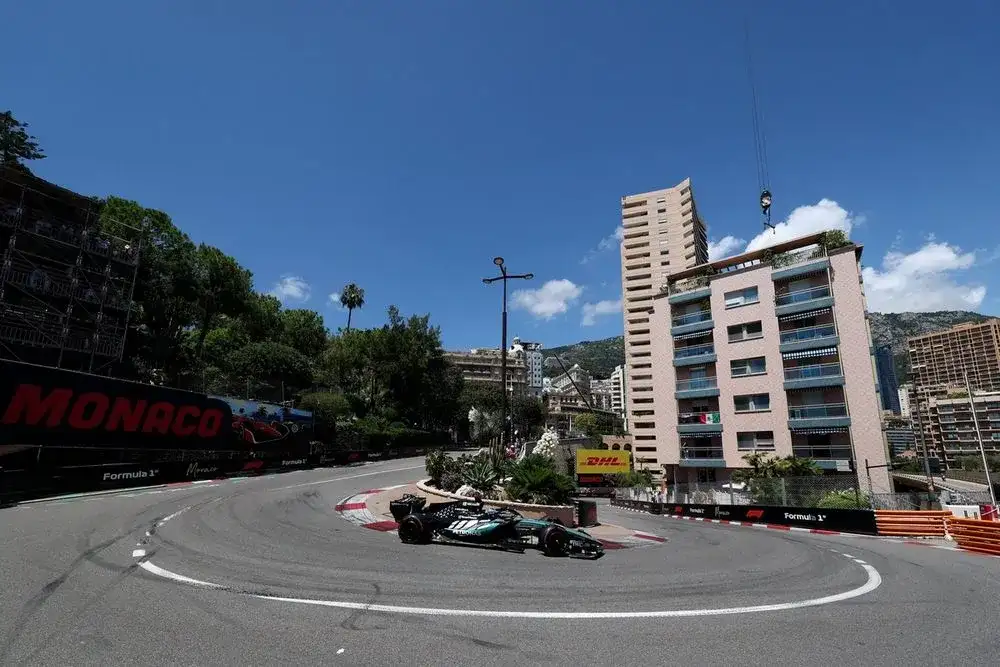
Four-time world champion Max Verstappen has signaled a potential exit from Formula 1, citing profound dissatisfaction with the 2026 technical regulations. Currently ninth in the standings, 60 points behind leader Kimi Antonelli, the Red Bull driver has characterized the modern racing experience as "Formula E on steroids," explicitly distancing his professional discontent from his team’s recent lack of on-track performance.
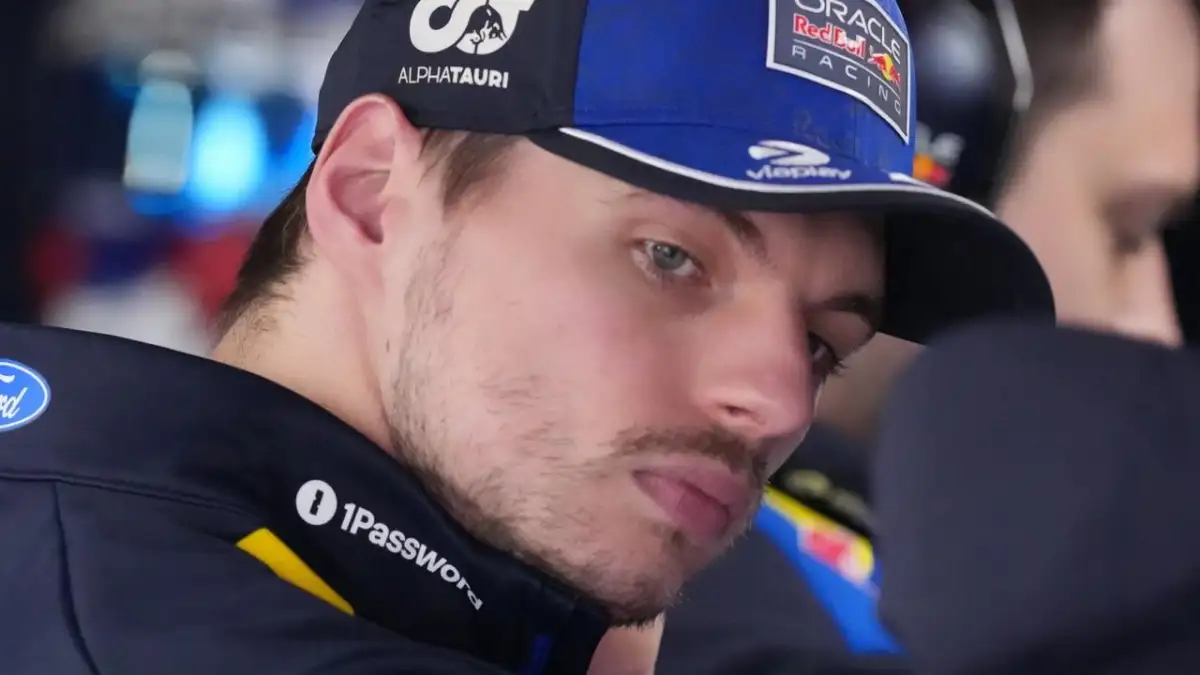
The core conflict lies in the transition toward a 50-50 power split between internal combustion and electrical energy, which necessitates intense energy harvesting and management—a shift the driver views as antithetical to the sport’s purpose.
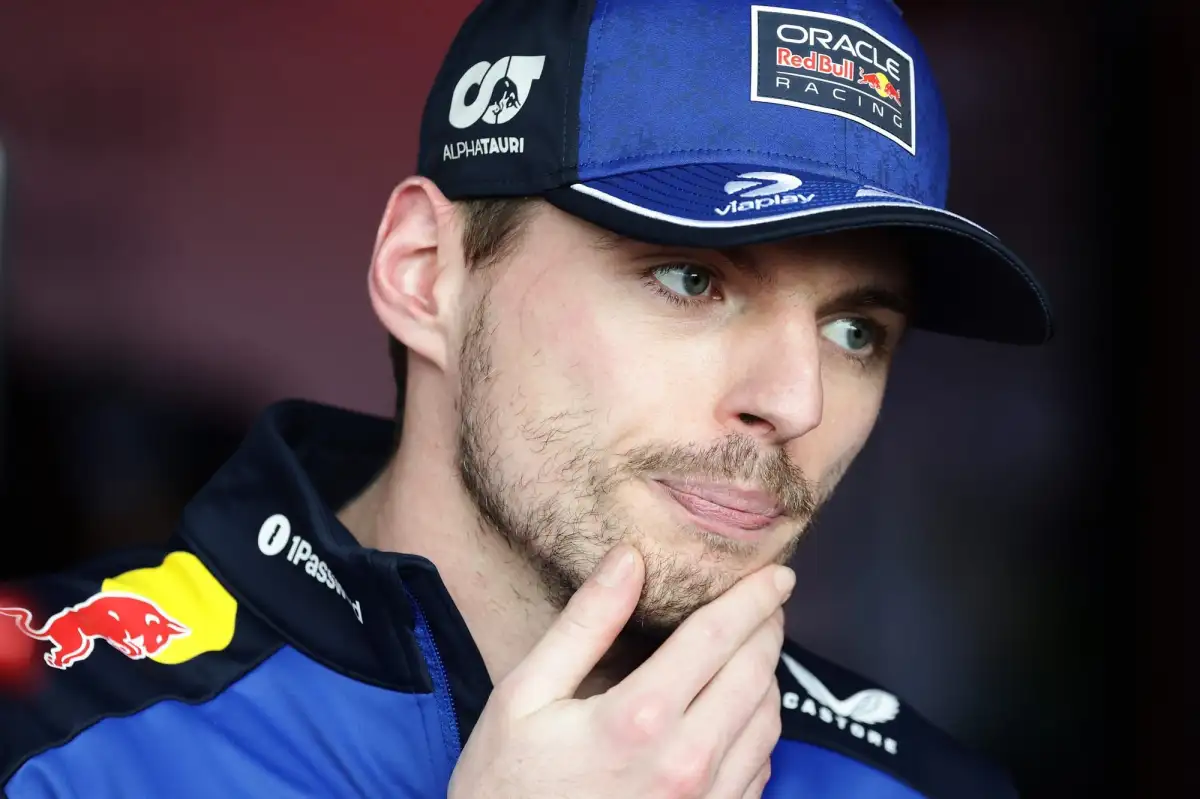
| Driver Perspective | Regulation Impact |
|---|---|
| Driver Skill | Marginalized by complex energy management |
| Engagement | Described as "not fun" to drive |
| Future Outlook | Active consideration of post-F1 racing paths |
The Mechanics of Exit
Beyond mere vocal frustration, several structural levers could facilitate an early departure from the sport.
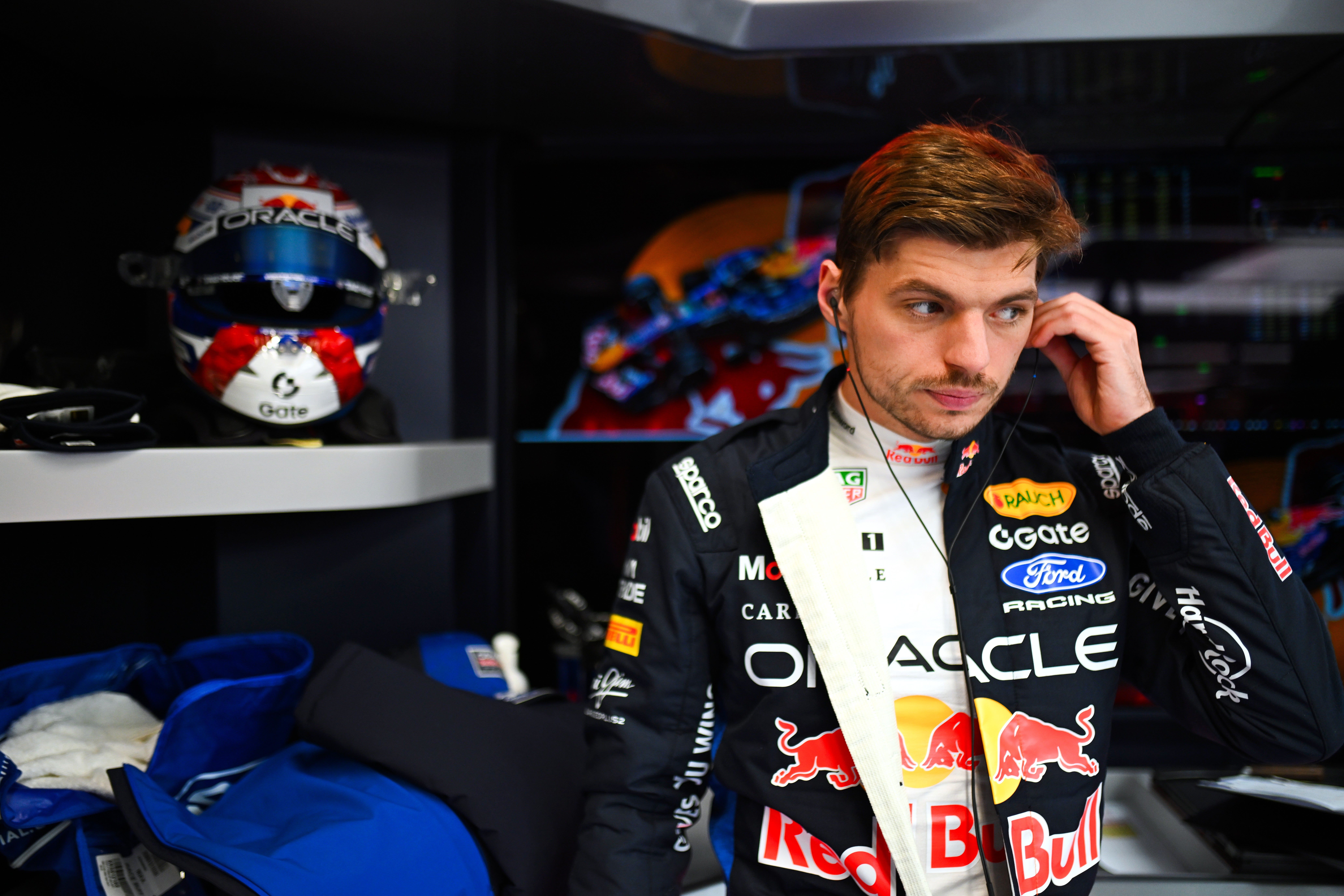
Contractual Clauses: Verstappen maintains exit options within his Red Bull agreement, contingent on the team's competitiveness and the general state of the regulations.
Alternative Pursuits: The driver has expressed interest in sports car racing and continues to develop his own independent racing team, offering a clear psychological alternative to the current F1 landscape.
Value Alignment: Having been involved in the sport since age 17, the champion frames his potential exit not as a reaction to poor results, but as a rejection of a racing philosophy that rewards "energy harvesting" over raw, preternatural ability.
Background: A Shift in Dynamics
The 2026 season introduced overhauled car designs that fundamentally altered driving dynamics. These rules were intended to modernize the sport through environmental sustainability, yet they have simultaneously created a divide between the regulatory intent of the FIA and the driving preferences of established competitors.
Read More: George Russell Struggles: 43 Points Behind Teammate Antonelli
While Verstappen has engaged in discussions with the FIA and F1 governing bodies regarding potential improvements, his rhetoric has moved from active complaint to a state of being "beyond" frustration. As the season progresses, the disconnect between the current technical mandates and his personal requirement for enjoyment remains the primary catalyst for his potential retirement.
The situation remains fluid; the upcoming breaks in the race calendar are expected to be a period of significant reflection for the driver.