The conversation around post-work life, as amplified by finance commentator Martin Lewis, is currently emphasizing two distinct, yet arguably intertwined, strands. One centers on the critical importance of healthspan—the period of life spent in good health—over mere lifespan, advocating for sustained physical and mental functionality to actively engage in enjoyable pursuits. The other introduces a tactical consideration for when to initiate retirement, suggesting that timing, specifically avoiding January, might offer a pragmatic advantage, a notion Lewis reportedly backs.
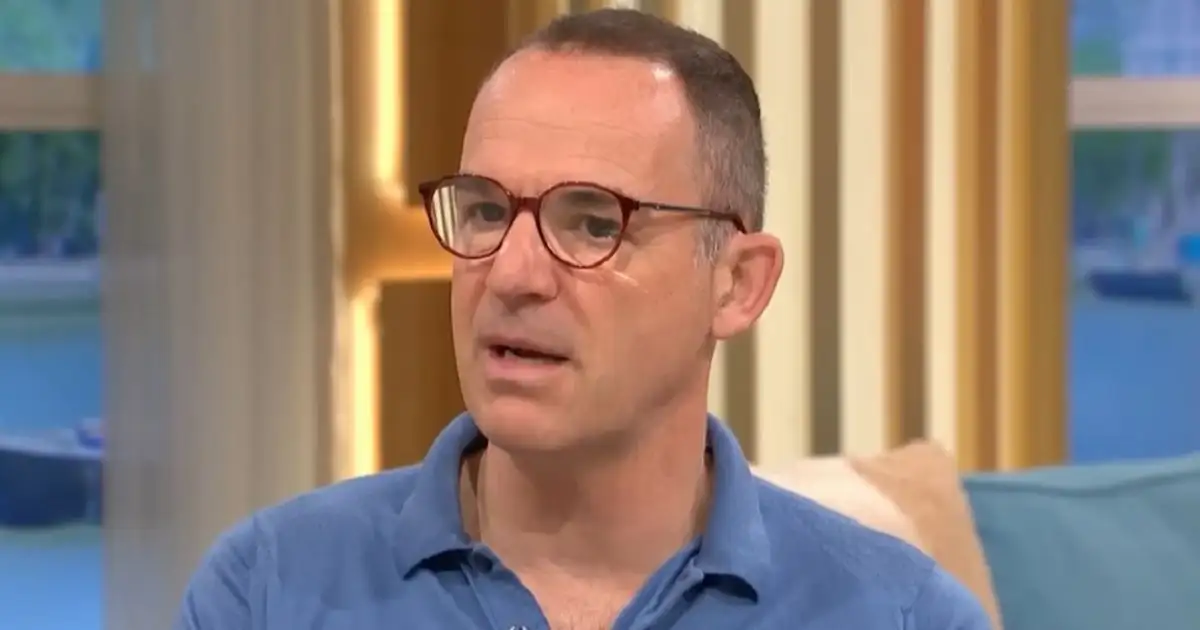
Lewis, speaking on his BBC Sounds podcast, has relayed listener insights that challenge conventional retirement planning. A significant takeaway from these discussions highlights the need for a robust physical constitution in later years, characterized by the ability to perform everyday tasks like lifting luggage or ascending stairs without undue strain. This perspective suggests a practical application of "healthspan" metrics, where the quality of years lived, rather than the sheer quantity, takes precedence. The financial expert has reportedly endorsed this viewpoint, underscoring the value of regular physical activity, including cardiovascular exercise and strength training such as squats, as crucial for maintaining independence and an engaged life.
Read More: Solo Mum's 10-Year IVF Cost $100,000 for Baby
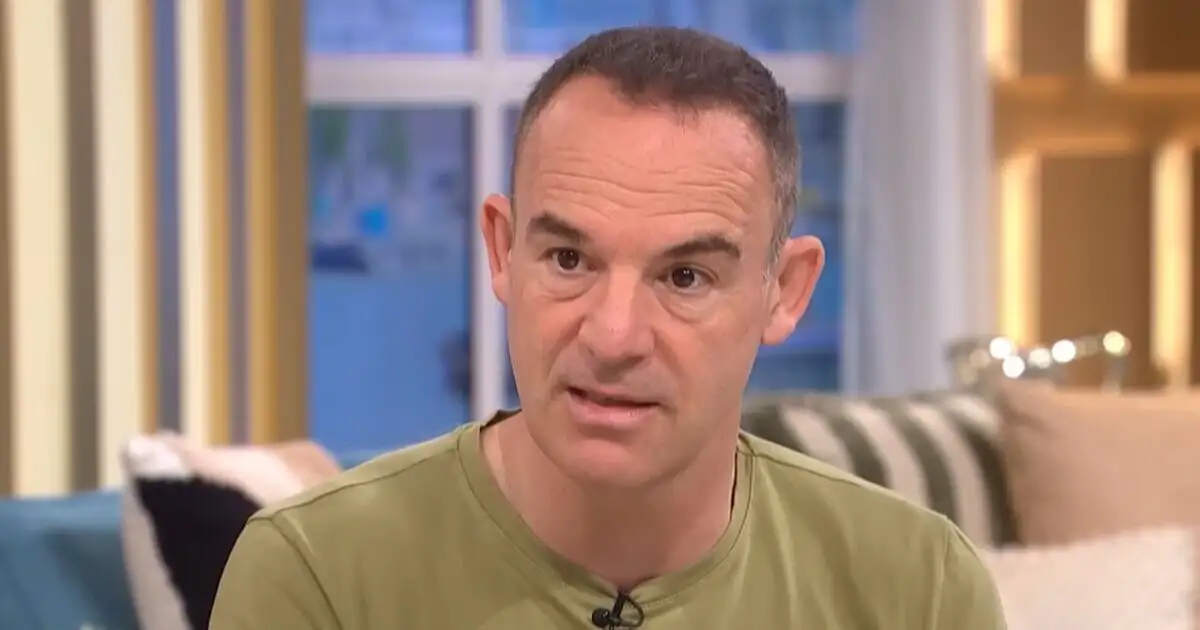
Further elaborating on this health-centric outlook, Lewis has presented the concept of "lifespan versus health span" as a pertinent subject for contemplation. The question, "do you really want to live to 150?", as posed within these discussions, serves to reframe the objective of longevity from simply existing for an extended period to actively living well throughout that duration. This framing encourages a proactive approach to maintaining physical and mental faculties, suggesting that maximizing one's healthy years is a more valuable pursuit than simply extending one's overall existence. Recommendations stemming from this discourse include the avoidance of detrimental habits such as smoking and excessive alcohol consumption, alongside the maintenance of metabolic health.

Beyond the physical dimensions of retirement, a more niche, yet apparently endorsed, strategic piece of advice has emerged: the consideration of the timing of one's retirement. Lewis has lent his support to a suggestion from a listener to his podcast, advising that individuals may wish to "hold off making a key change" and specifically avoid retiring in January. While the precise rationale behind this temporal recommendation remains somewhat obscured in the provided material, it is presented as a "key life change" that warrants careful timing. This advice surfaces alongside reminders about upcoming changes to the state pension age, implying a complex interplay of personal choices and governmental policy shifts influencing the retirement landscape.
Read More: Pressure Washer Mistakes Cost UK Owners More Money
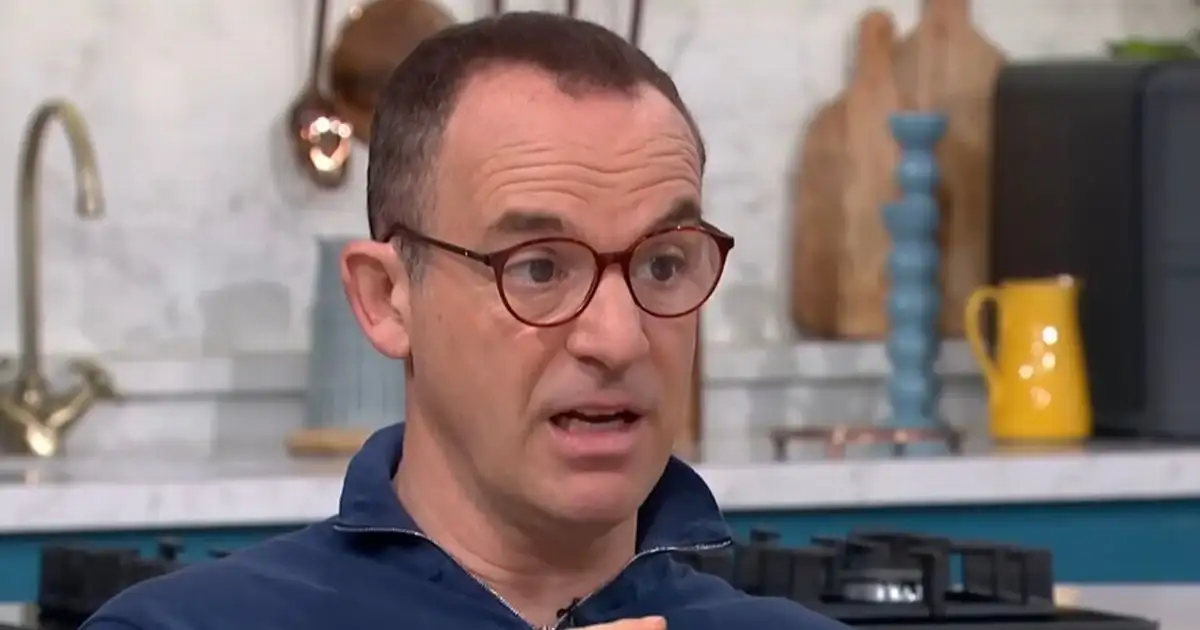
Listeners have been encouraged to consider what they wish for their life after formal employment ceases, prompting introspection on the desired structure and activities within this new phase. The ability to check projected state pension entitlements via a Government online forecast tool is also mentioned as a relevant resource for those navigating these considerations. The discussions, as presented, draw from a segment of Lewis's podcast where individuals share lessons learned from their post-work experiences, offering a collective wisdom aimed at informing others in advance.
:format(webp))