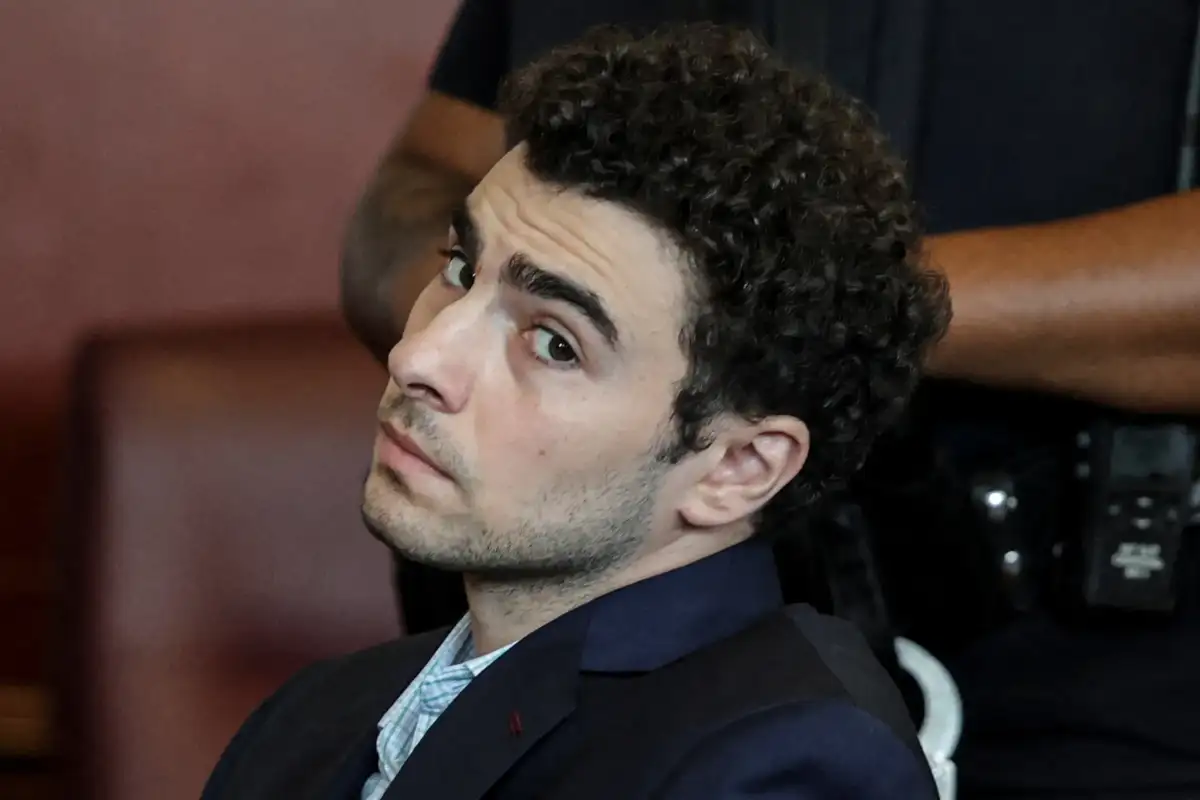
As of today, May 22, 2026, the legal trajectory for Luigi Mangione regarding the killing of UnitedHealthcare CEO Brian Thompson has shifted following a pivotal evidentiary ruling by Judge Carro. While prosecutors successfully argued for the inclusion of specific items linking the defendant to the crime, the court concurrently suppressed segments of the police interaction that occurred during the arrest at a McDonald’s in Altoona, Pennsylvania.
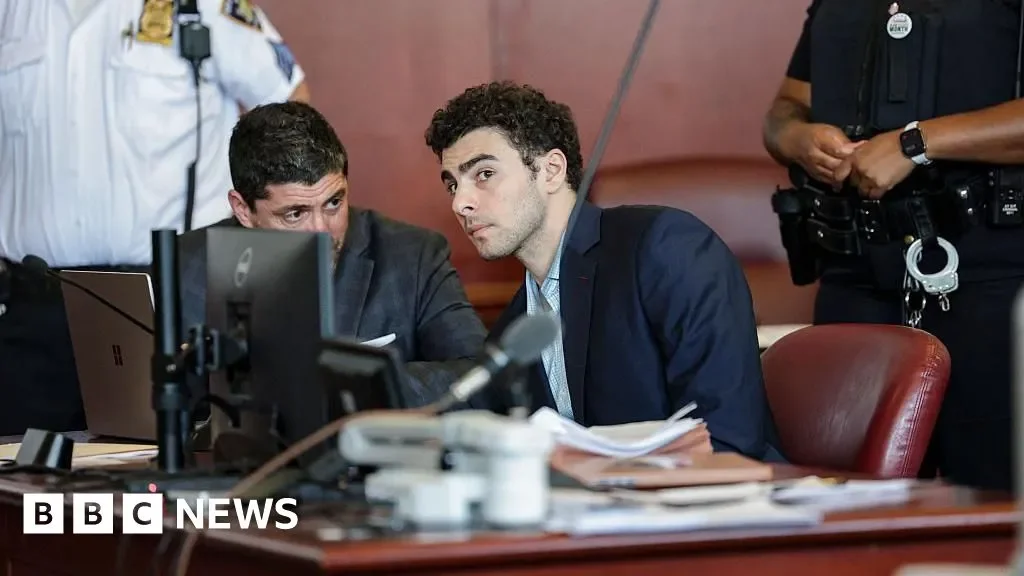
Core evidentiary status as of May 2026:
| Admissible Evidence | Suppressed Evidence |
|---|---|
| Handgun | Statements made prior to Miranda warnings |
| Personal notebook | Items seized from backpack (warrantless search) |
Procedural constraints dictated the court's refusal to accept evidence gathered before formal Miranda advisements at 9:48 a.m. on the day of the arrest.
Warrantless searches were deemed unjustifiable by the court, leading to the exclusion of certain physical items found within Mangione's bag.
The state trial is scheduled for September 8, 2026, while separate federal proceedings—centered on stalking charges—are slated to begin in October 2026.
Procedural Friction and Public Discourse
The trial of Luigi Mangione has transcended traditional criminal litigation to become a flashpoint for social grievances. The Criminal Justice system finds itself navigating between the technical requirements of the Fourth Amendment and a polarized public sentiment.
Supporters of Mangione frequently frame his actions through the lens of institutional critique, specifically regarding Health Insurance practices. By viewing UnitedHealthcare as an emblem of profit-driven care, segments of the public have recast a murder trial as a symbolic struggle against corporate policy. This has manifested in tensions regarding press access, as observers attempt to monitor whether the judicial process will focus strictly on the charges of murder and stalking, or if it will be pressured by the cultural weight surrounding the victim’s professional background.
Read More: Judge Reyes halts East Potomac Golf site work until April 21 2026

Background and Legal Standing
Luigi Mangione, 28, remains in custody. He has entered a plea of not guilty to all charges. The defense's challenge to the search-and-seizure protocols at the time of his apprehension has resulted in a fragmented evidentiary record. While the gun and the notebook—items the state contends provide the necessary Forensic Link—remain, the state’s inability to justify the initial bag search reflects a tightening of the court's adherence to Due Process. The looming October federal trial adds a layer of legal complexity, as the court must juggle both the homicide charges at the state level and the stalking allegations in federal jurisdiction.