The cost of diesel has begun to peel back the plastic layers of American partisanship. A viral video currently circulating shows an unidentified man tearing Donald Trump decals from his vehicle, a physical rejection triggered by rising fuel overheads. While the man’s identity remains obscure, the act serves as a blunt instrument of data: the threshold where ideology fails to pay for the tank.

"FURIOS Trump supporter removes his car decals after seeing the price of diesel sky rocketing." — Social media framing of the incident.
Economic friction is eroding the surface-level branding of the electorate as daily costs outpace the comfort of the Political Identity. The act of removing a sticker is a low-cost divorce from a high-cost reality.
The footage captures a raw, unpolished frustration.
Critics and observers interpret the act as a potential crack in voter floors.
The vehicle, once a mobile billboard, returns to being a mere machine.
The Recycled Weaponry of Blame
The "I Did That" sticker, a staple of anti-Biden sentiment during previous price hikes, has been repurposed. These adhesive labels, featuring Trump’s face, are now appearing on luxury grocery items, such as a $45 steak, and at fuel pumps. This shift redirects the blame for Market Wobbles toward the former president’s stance on tariffs and trade barriers.
Read More: Taiwan Holds Nantou County Drills to Prepare for State Collapse
| Sticker Subject | Location | Implied Culprit | Context |
|---|---|---|---|
| Diesel Fuel | Truck Bumpers | Price Surge | Loyalty removal |
| $45 Steak | Grocery Aisles | Tariffs | Consumer mockery |
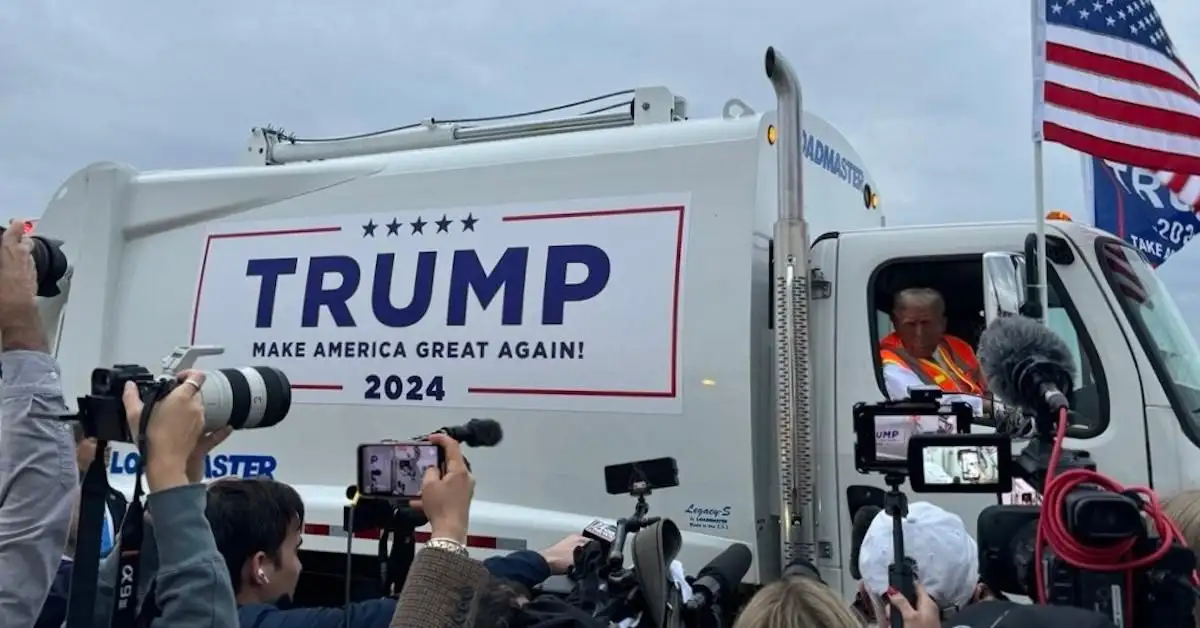
| Garbage Truck | Campaign Rallies | Political Opponents | Symbolic theater |
Nuance suggests that these symbols are not static truths but jagged tools used by whichever side feels the current pinch. The joke has turned inward; the irony of the Sticker Trend is that the same medium used to celebrate a leader is now the primary method of his Mockery.
The Weight of External Plastic
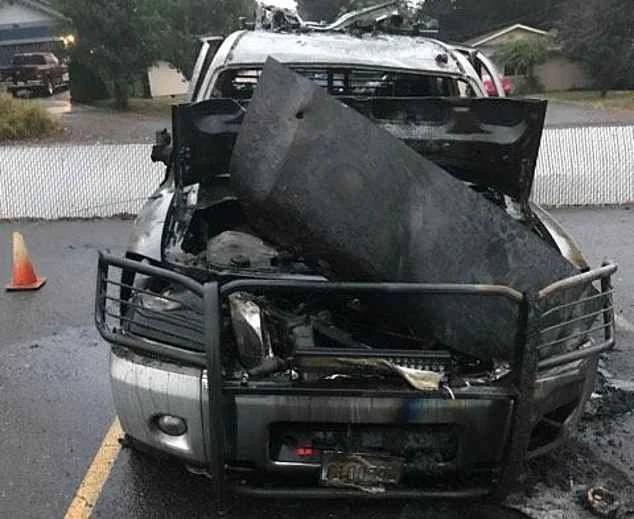
Political decals have historically acted as magnets for both community and violence. In past years, the presence of a Trump sticker has resulted in more than just internet debate.
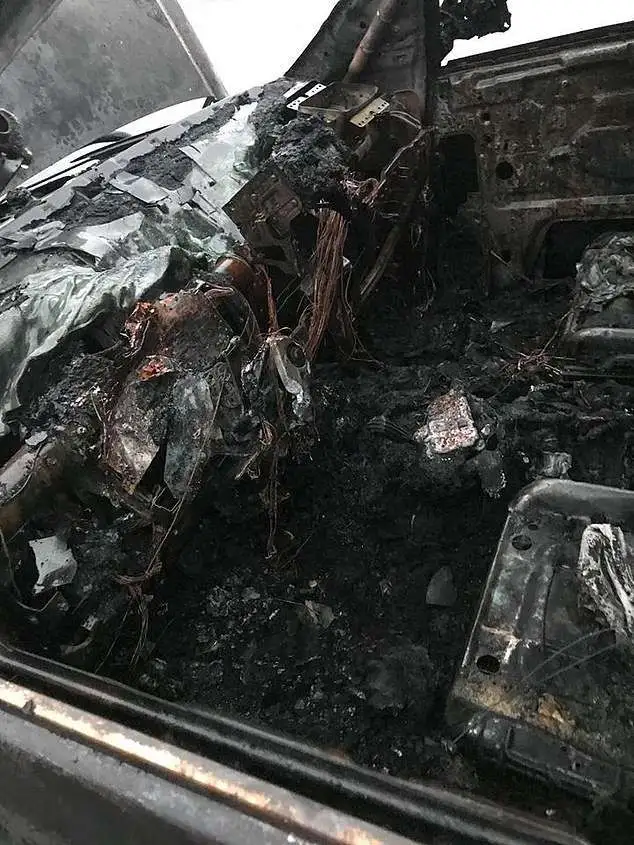
In 2018, a Nissan Titan in Washington was torched by a mob specifically because of its bumper stickers.
The owner, Johnny MacKay, worked as an Uber driver and lost his income to the fire.
He noted he did not vote for the man, but supported the office—a distinction the arsonists ignored.
"(They) need help… they have also taken away his source of income." — Reaction to the 2018 arson.
The transition from burning trucks to peeling stickers represents a shift from external Aggression to internal Disillusionment. The "garbage truck" imagery used in recent rallies attempts to reclaim the aesthetics of the working class, but for those paying for the diesel, the theater is becoming too expensive to maintain.
Read More: Why AI Market Growth Is Slowing Down As Of April 2026