

London Health Leaders Weigh Exclusion of Unvaccinated Students
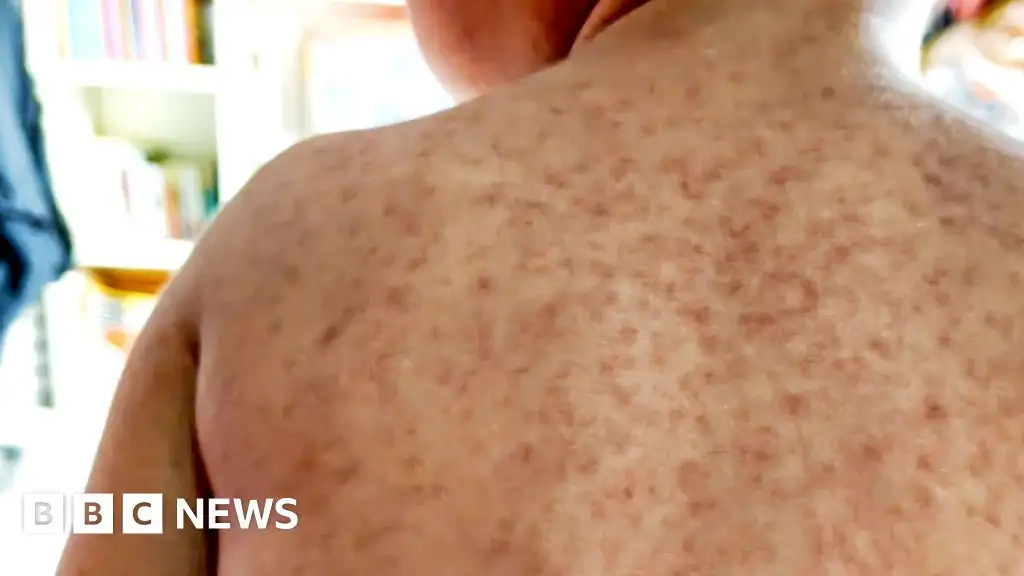
Health officials in London are reportedly considering measures to exclude unvaccinated children from schools during a localized measles outbreak. This discussion arises from an 'unprecedented' surge in cases in the capital, with 100 confirmed infections in north London this year. The borough of Enfield has already communicated to parents that unvaccinated children identified as close contacts could face exclusion for up to 21 days. This approach, if implemented more broadly, could serve as a template for other urban centers across the United Kingdom. The central factual thrust is that authorities are actively debating and, in at least one instance, implementing the exclusion of unvaccinated children from educational settings due to a rise in measles cases.
Measles Outbreak Triggers School Attendance Debates
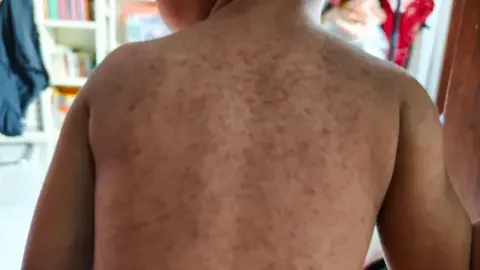
The escalating number of measles cases has prompted emergency meetings among health leaders in London. The concern stems from the highly contagious nature of the disease, particularly its ease of transmission among individuals not fully immunized. Reports indicate that a significant number of children born during the COVID-19 pandemic period may have missed routine vaccinations, potentially contributing to a rise in susceptibility.
Read More: Anantapur Youths Run 5K to Pledge Drug-Free India on March 10
Health leaders in London convened to address the growing measles situation.
The discussions involve the possibility of sending home children who have not received the measles vaccination.
A specific case in Enfield has already informed parents of potential exclusions for unvaccinated close contacts.
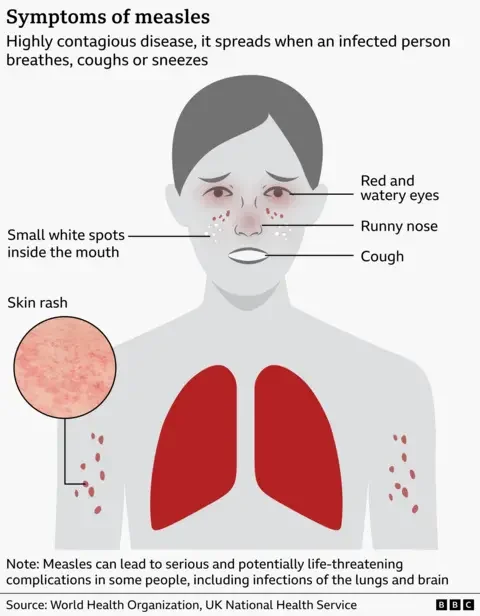
The rationale behind these potential exclusions is rooted in the virus's rapid spread, with warnings that it can initially present symptoms akin to a common cold. This allows it to proliferate unchecked within school environments. Health leaders have noted that globally, measles contributes to over 100,000 deaths annually, a statistic framed as a serious public health concern.

Wider Implications and Contrasting Approaches
The situation in London mirrors outbreaks elsewhere, though responses vary. In South Carolina, over 150 unvaccinated children were subjected to a 21-day quarantine after exposure to measles at two schools. Similarly, a study examining outbreaks indicated a significant surge in school absenteeism, extending beyond confirmed cases.
In contrast, Florida's Surgeon General, Dr. Joseph Ladapo, has faced criticism for declining to bar unvaccinated students from attending school during a measles outbreak at a Miami-area high school. Despite six confirmed cases among students and 33 remaining unvaccinated, the decision was made to allow parents to determine their children's attendance. This stance reportedly contradicts guidelines from the Centers for Disease Control and Prevention (CDC).
Read More: Southbank Centre 75th Anniversary: Harry Styles and Danny Boyle Lead 2026 London Events
The debate highlights a tension between public health imperatives to contain contagious diseases and parental autonomy or individual choice regarding vaccination. Factors contributing to reduced vaccination rates, as noted by some health professionals, include difficulties in securing appointments, a lack of awareness, and concerns surrounding vaccine safety itself.
Background on Measles and Vaccination
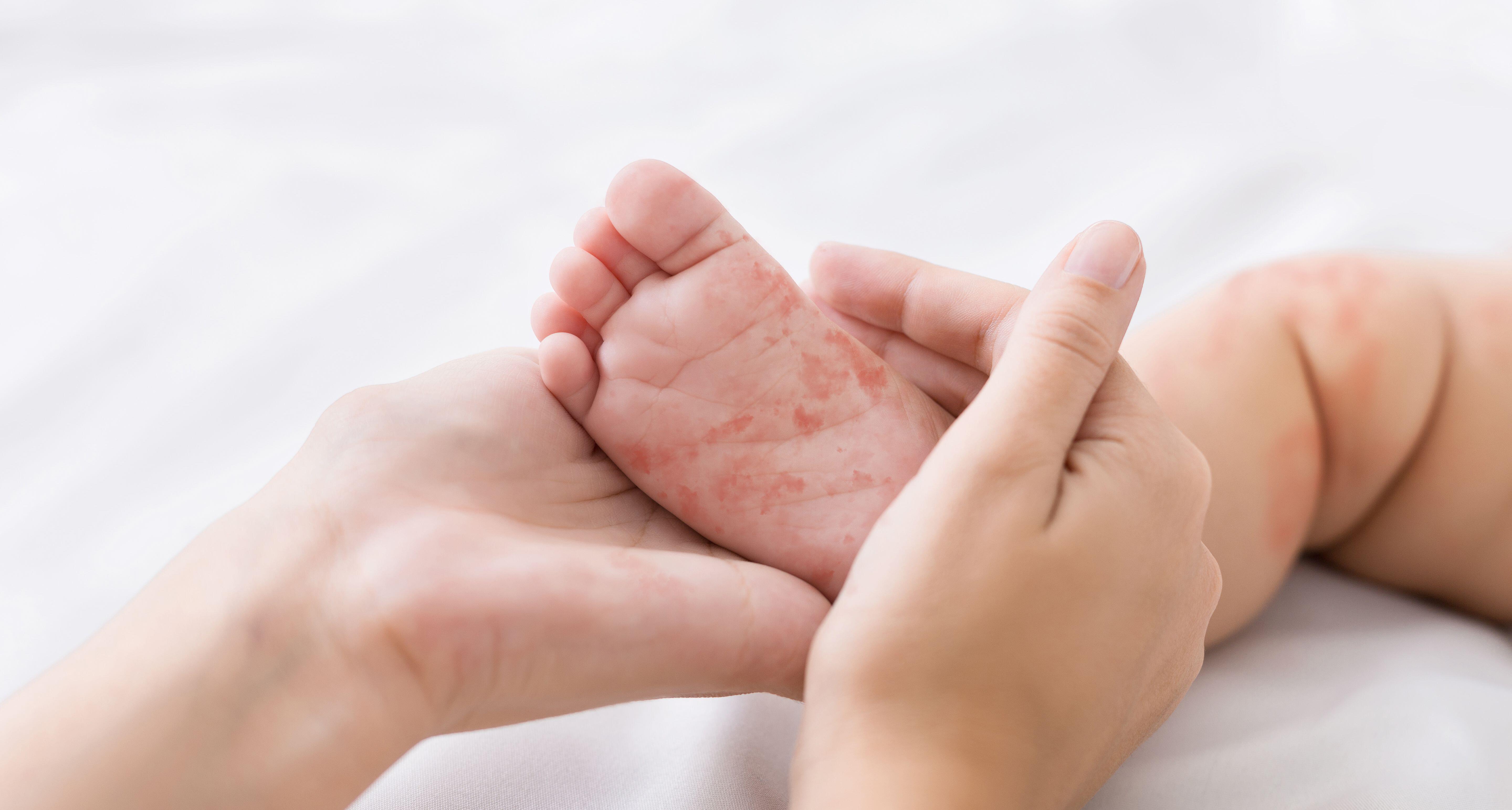
Measles is an airborne disease that is highly contagious. It can spread through respiratory droplets when an infected person coughs or sneezes. Without immunity, approximately 90% of unvaccinated individuals exposed to the virus will become infected. While many recover fully, measles can lead to serious complications, including pneumonia, encephalitis (brain swelling), and, in rare cases, death.
The measles, mumps, and rubella (MMR) vaccine is widely recognized as a safe and effective means of preventing measles. Public health campaigns and routine childhood immunization schedules aim to achieve high vaccination coverage rates to establish herd immunity, which protects those who cannot be vaccinated, such as infants and individuals with compromised immune systems. Fluctuations in vaccination uptake, however, can weaken this collective protection, leaving communities more vulnerable to outbreaks.
Read More: Cancer Death Rates Fall by 11 Percent Globally in 2024 Saving Many Lives