


The City of London, usually a symbol of global connectivity, is currently battling a cascade of transport failures, leaving millions of commuters stranded and questioning the very backbone of their daily lives. From a dramatic train derailment near London Bridge to overhead line issues impacting major routes, the past few days have painted a grim picture of a rail network teetering on the brink. Are we witnessing a temporary glitch, or a symptom of deeper, systemic problems plaguing London's vital transit arteries?
A Network Under Siege: The Recent Turmoil Unpacked
Over the past few days, London's rail services have been anything but reliable. Commuters have faced a relentless barrage of disruptions, marked by "do not travel" warnings and widespread cancellations. The primary culprits? A combination of critical infrastructure failures, including a significant train derailment and persistent signalling system faults.
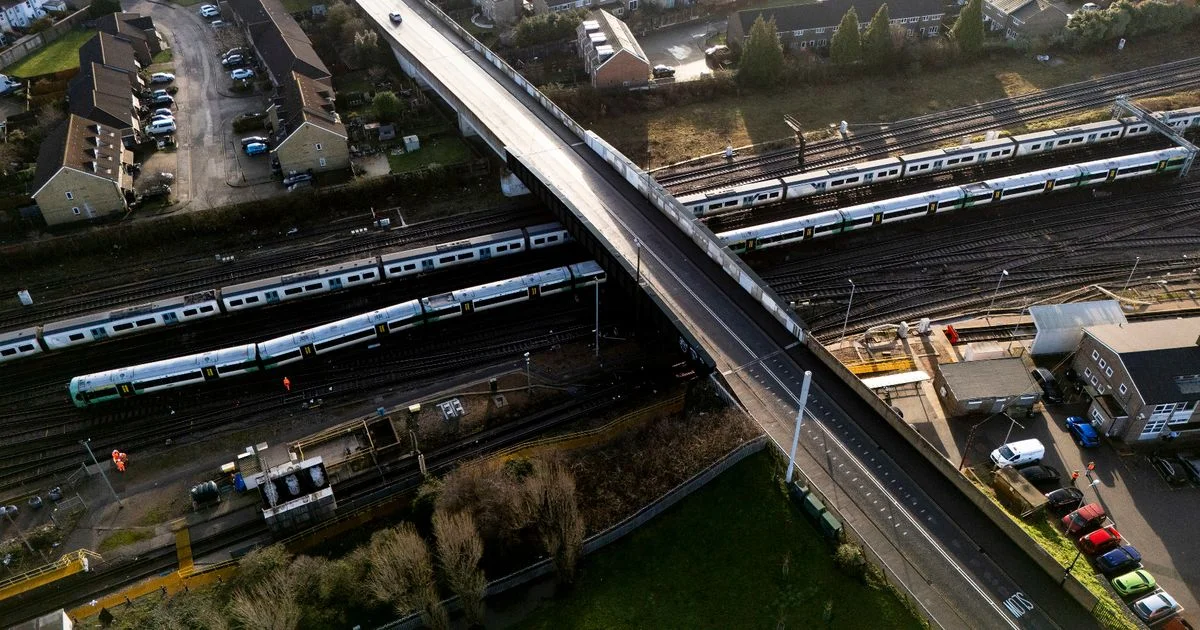
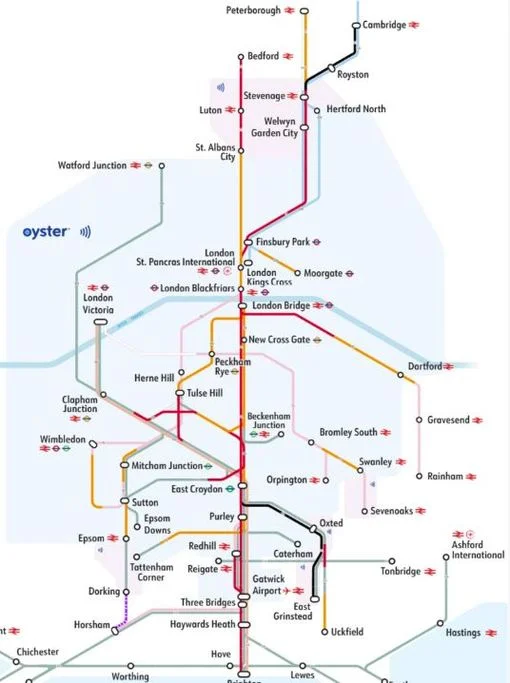
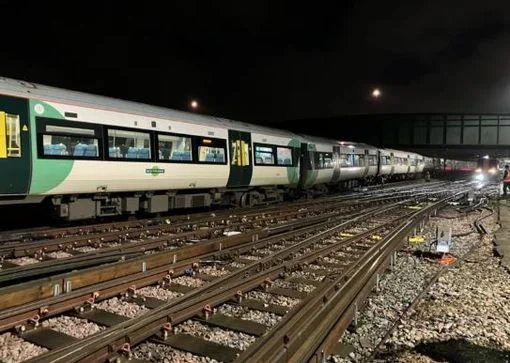
The Selhurst Derailment: A Southern train derailed near Selhurst depot in south-east London, a critical incident that reverberated across multiple lines. This event, occurring just before the morning commute, severely impacted services on Southern, London Overground (Windrush line), Thameslink, and Gatwick Express routes.
Signalling System Sabotage?: Compounding the derailment, a persistent fault with the signalling system between Norwood Junction and London Blackfriars has crippled movement. This isn't a minor hiccup; it's a fundamental breakdown in the eyes and ears of the network. When a signalling circuit fails, it can incorrectly report a train's presence, effectively blocking other trains from moving. This forces drivers to stop at red signals and seek verbal permission to proceed at reduced speeds, a process that grinds efficiency to a halt, especially on busy stretches. (Source: Sky News)
The Domino Effect: The impact of these two major incidents has been a cascade of delays and cancellations. Many services were diverted, bypassing key stations like London Bridge, or forced onto alternative, often more congested, routes. Passengers were advised to use services via Sutton to reach London Bridge if their usual routes were impassable. (Source: MyLondon)
Broader Disruption: The chaos isn't confined to a single line. We've also seen:
Overhead line failures causing cancellations between London Euston and Watford Junction, impacting London Northwestern Railway and Avanti West Coast services. (Source: Evening Standard)
Disruptions on the District Line due to a points failure at Acton Town and a track fault at South Kensington, leading to suspensions and severe delays. (Source: MyLondon)
A complete suspension on the Waterloo & City line. (Source: MyLondon)
Delays on the Bakerloo line due to train cancellations. (Source: Evening Standard)
Even the Mildmay Line has experienced partial suspensions and delays. (Source: MyLondon)
"Commuters have been warned 'do not travel' after a train derailment and signalling faults caused travel chaos in London and on lines to Britain's busiest airports." (Source: Daily Mail)
This "do not travel" directive, a rare and stark warning, underscores the severity of the situation. It's not just an inconvenience; it's a shutdown of essential transport for countless individuals and businesses.
The London Bridge Bottleneck: A Familiar Nightmare?
The disruptions specifically affecting services to and from London Bridge warrant a closer look. This station, a vital hub, has been at the epicentre of recent turmoil.
| Incident Type | Location Affected | Impact on London Bridge Services | Affected Operators |
|---|---|---|---|
| Train Derailment | Selhurst Depot | Services diverted via Selhurst, not calling at London Bridge. Alternative routes via Sutton. | Southern, Thameslink, Gatwick Express |
| Signalling Fault | Norwood Junction to London Blackfriars | Reduced line availability, slower speeds, significant delays. | Southern, Thameslink, Gatwick Express |
| Track Inspection | London Bridge Services | Current operational impact unclear, but implies ongoing maintenance and potential for further issues. | Unspecified rail operators using London Bridge. |
"Network Rail Kent and Sussex responded to the derailment near Selhurst Depot, with the train blocking lines towards Norwood Junction and London Bridge." (Source: Mirror)
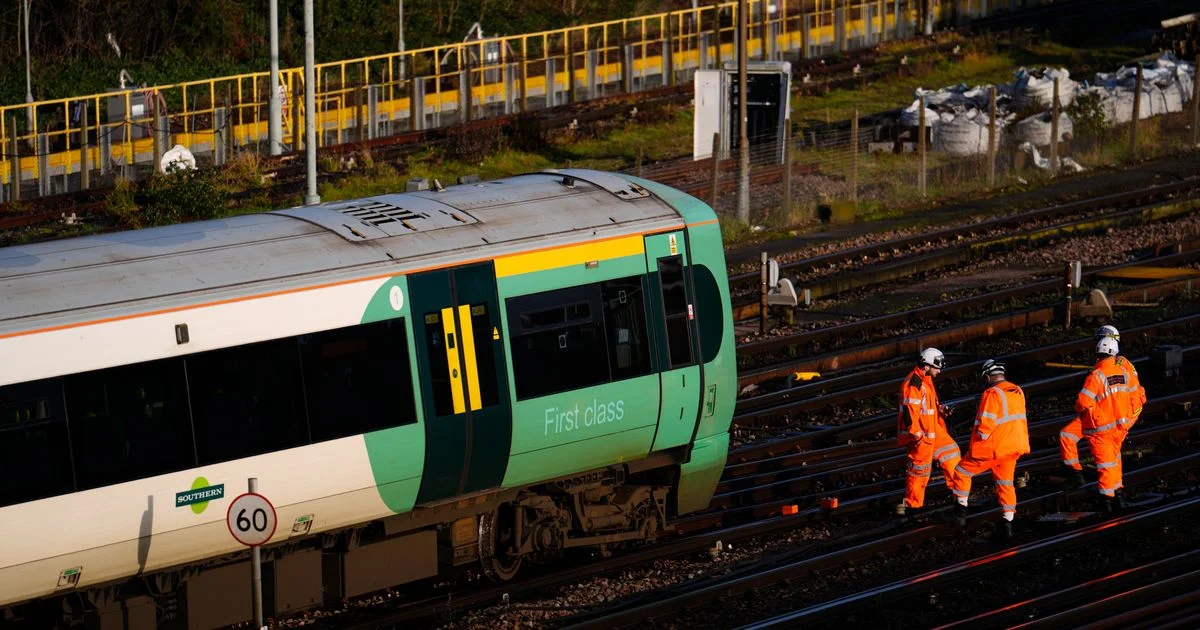
The mention of ongoing "track inspection" services at London Bridge, even amidst these major incidents, raises immediate questions. Is this routine maintenance, or is it a reactive measure to pre-existing, unaddressed issues?
Read More: Why night trains do not run on Saturdays in London
Beyond the Tracks: A Pattern of Neglect or Unforeseen Circumstances?
While recent events point to immediate infrastructure failures, it's crucial to ask if this is an isolated surge of bad luck or a symptom of a larger problem. Looking at the broader context of London's transport network, a pattern of persistent disruption emerges:
Tube Line Woes: It's not just the overground. The District Line has been plagued by points failures and track faults. The Waterloo & City line has seen complete suspensions. The Bakerloo line is regularly hit by train cancellations.
Overground Oddities: Even newer lines, like the Mildmay Line, have experienced significant disruptions.
"Cyber Vandalism" and WiFi Woes: Last year, Network Rail stations suffered WiFi outages due to "cyber vandalism," a reminder that infrastructure vulnerability extends beyond physical tracks. (Source: MyLondon)
Historical Precedents: This isn't the first time London has faced widespread rail chaos. Remember the severe disruptions caused by Tube strikes? Or the recurring issues with signalling systems across the country?
"The affected section of the London rail network uses track circuits to detect trains, Network Rail said. If a circuit fails, the system may think a train is still there, blocking others from moving forward." (Source: Sky News)
This explanation of signalling failure highlights a potential vulnerability in the very technology designed to ensure safety and efficiency. How old is this signalling technology? Has it been adequately maintained and upgraded? And what contingency plans are in place for such failures beyond slowing down trains to a crawl?
The Human Cost: Who is Paying the Price?
The immediate victims of this rail chaos are the millions of Londoners who rely on these services daily.
Lost Productivity: How many work hours are lost daily due to these disruptions? What is the economic impact on businesses forced to deal with absent or late staff?
Financial Strain: Commuters are often left with tickets for cancelled services. While some operators allow use on alternative services, this isn't always practical or equitable. Are passengers being adequately compensated for these lost journeys?
Mental Toll: The stress and uncertainty of daily travel under such conditions take a significant toll on individuals' well-being.
The article about a "fare dodger left Tube passenger who told him off with bleed on brain" (Source: The Standard) in the context of London Bridge news, while seemingly unrelated, highlights a different kind of strain on the transport system – one of public order and safety. Are the current operational issues diverting resources or attention from other critical areas?
Read More: New rules for Indian vegetable patties and pakoras in London from October
Probing Questions for a System in Crisis
As a critical observer of public services, I can't help but ask the hard questions:
Age and Maintenance: What is the age of the signalling systems implicated in these failures? What is the backlog of essential track and infrastructure maintenance across Network Rail and TfL?
Investment and Priorities: Has there been sufficient investment in upgrading and maintaining London's aging rail infrastructure? Are priorities being set effectively, or are we constantly reacting to crises?
Interconnectedness and Redundancy: How resilient is London's transport network to simultaneous failures? Are there adequate backup systems or alternative strategies when major lines are compromised?
Accountability and Transparency: Beyond issuing "do not travel" warnings, what concrete steps are being taken to prevent future recurrences? Who is ultimately accountable for these widespread failures?
The London Bridge Anomaly: Why have services at London Bridge been disrupted by incidents miles away? What does the ongoing "track inspection" signal about the underlying condition of the infrastructure serving this critical station?
Data-Driven Decisions: How is data on failure points, repair times, and passenger impact being collected and used to inform long-term infrastructure strategy?
A Network in Need of a Revolution, Not Just Repairs
The recent spate of disruptions paints a stark picture: London's rail network is struggling. The derailment at Selhurst and the persistent signalling fault are not mere inconveniences; they are critical failures exposing potential vulnerabilities in the core infrastructure.
The current situation demands more than just patching up the immediate damage. It requires a deep, critical examination of:
Infrastructure Investment: A long-term, strategic investment plan is crucial, focusing on modernizing aging signalling systems and reinforcing critical track sections.
Maintenance Regimes: Are current maintenance schedules robust enough to anticipate and prevent failures, or are they merely reactive?
Contingency Planning: How can the network become more resilient to multiple, simultaneous failures?
Passenger Communication: While "do not travel" warnings are necessary, clearer, more proactive communication about the reasons for disruption and the expected timelines for resolution is essential.
The question is no longer if London's transport system will face significant challenges, but how it will be addressed. Will we see a decisive, strategic overhaul, or will we continue to endure a cycle of disruption and repair, leaving millions of citizens to navigate the daily uncertainty? The clock is ticking, and the patience of Londoners is wearing thin.
Read More: Kalaburagi-Bengaluru Vande Bharat Train Carries 5.7 Lakh Passengers in 2 Years
Sources:
Evening Standard: Euston trains cancelled as overhead line failure causes disruption - live updates - https://www.standard.co.uk/news/london/train-delays-tfl-tube-b1269509.html
The Standard: London Bridge - latest news, breaking stories and comment - https://www.standard.co.uk/topic/london-bridge
Mirror: Train derails with lines to major UK stations blocked in 'do not travel' alert - https://www.mirror.co.uk/news/uk-news/selhurst-trains-london-bridge-live-36666584
MyLondon: Major trains disruption continues after 'multiple incidents' - https://www.mylondon.news/news/transport/southern-thameslink-gatwick-express-issue-33359080
Daily Mail: Commuters warned 'do not travel' amid train derailment - https://www.dailymail.co.uk/news/article-15526619/Commuters-travel-train-derailment-signalling-faults-London.html
MyLondon: Tube and travel updates as Londoners face disruption on multiple lines - https://www.mylondon.news/news/transport/london-underground-travel-live-updates-31723301
TfL: Tube, Overground, Elizabeth line, DLR & Tram status updates - https://tfl.gov.uk/tube-dlr-overground/status/
Evening Standard: Tube and train updates as Central and Bakerloo lines face disruption - https://www.standard.co.uk/news/london/travel-news-tube-train-tfl-delays-b1243523.html
Sky News: Rail latest: 'Major disruption' after do not travel warning for London line - https://news.sky.com/story/rail-latest-do-not-travel-warning-issued-with-southern-thameslink-and-gatwick-express-affected-13499563
BBC News: Warnings of major rail disruption in south-east until end of day after train derails - https://www.bbc.com/news/live/c5y2v32j0r3t
Londontraffic.org: London Traffic - Live TfL Traffic News Updates, Cameras, Closures, Accident, Maps - https://www.londontraffic.org/
RAC: London Traffic News | Maps, Routes and Updates - https://www.rac.co.uk/route-planner/traffic-news/london/
Heathrow: Traffic and travel updates | Heathrow - https://www.heathrow.com/transport-and-directions/traffic-and-travel-updates



/newsfirstprime/media/media_files/2025/09/20/bmrcl-2025-09-20-14-28-14.jpg)

