Lamborghini, a name synonymous with high-performance automobiles, has publicly stated its intention to postpone its plans for a fully electric supercar. The Italian manufacturer will instead focus on developing plug-in hybrid vehicles, a shift driven by a perceived lack of demand from its discerning customer base. This decision marks a significant pivot for the company, which had previously unveiled concepts for all-electric future models.
Shifting Market Signals and Customer Preferences
Lamborghini's executive leadership has cited a waning enthusiasm for battery-powered vehicles among wealthy clientele as a primary reason for this strategic change. The company’s chief executive, Stephan Winkelmann, has been vocal about this sentiment.
Customer Acceptance Curve: Winkelmann has described the "acceptance curve" for battery-powered cars within Lamborghini's target market as being "close to zero."
Emotional Connection: He has also noted that sports car enthusiasts have not yet found a "specific emotional connection" with electric vehicles, particularly missing the distinct sound of an internal combustion engine.
Financial Prudence: Winkelmann framed the move as financially responsible, stating that investing heavily in full EV development without market readiness would be an "expensive hobby" and irresponsible to shareholders, customers, and employees.
A Question of Timing and Technology
The decision to delay a fully electric supercar has been linked to broader market trends and the specific nature of supercar ownership.

Low Mileage Usage: Reports suggest that Lamborghini owners typically drive their supercars fewer than 2,000 miles per year, with the Urus model averaging around 10,000 miles. This lower mileage might reduce the perceived immediate need for a fully electric powertrain for these vehicles.
Infrastructure Concerns: Issues such as inadequate high-speed charging networks have been identified as potential barriers to seamless EV ownership for Lamborghini customers.
Alternative Technologies: Lamborghini is also reportedly exploring synthetic fuels as a potential pathway to meet emissions regulations without a complete abandonment of combustion engines, a strategy also considered by rivals like Aston Martin and Ferrari.
Industry Landscape and Competitor Stance
Lamborghini's approach contrasts with the strategies of some other luxury automakers and emerging EV manufacturers.
Read More: Tesla Model Y L 6-Seater US Launch Date and Price Details

Rival Approaches: While Lamborghini adopts a more cautious stance, Ferrari still plans to introduce an electric vehicle. Porsche, on the other hand, has been actively selling its Taycan EV for several years and has introduced additional electric models. Aston Martin has also delayed its EV introduction, prioritizing plug-in hybrids.
Emerging Competition: Chinese EV manufacturers, such as BYD with its Yangwang brand, are actively developing and planning to launch electric supercars in markets like Europe, potentially positioning themselves to capture a segment where established brands are showing hesitation.
Evidence of Strategic Reassessment
Multiple reports indicate a consistent theme of Lamborghini reassessing its electric vehicle timeline and powertrain choices.
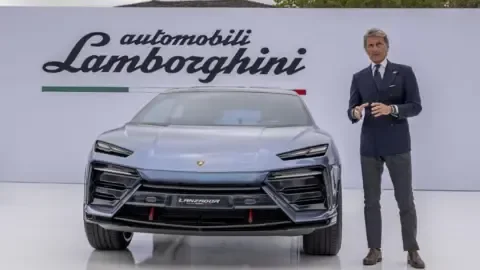
Lanzador Concept: The Lanzador, Lamborghini's first all-electric concept car unveiled in 2023, is no longer slated for production as an EV. Its future powertrain is reportedly under review, with a pivot to a plug-in hybrid configuration being considered.
Delayed Timelines: Reports from late 2024 and mid-2025 consistently point to a delay in Lamborghini's first fully electric model, with some sources suggesting a potential arrival as late as 2029.
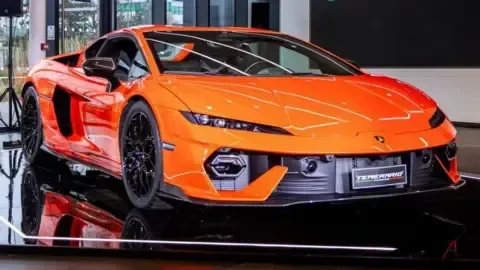
Hybrid Focus: The company’s current strategy actively prioritizes hybrids, with a fully hybridised three-model lineup already in place.
Conclusion: A Calculated Pivot
Lamborghini’s decision to pull back from an immediate all-electric supercar launch and instead concentrate on plug-in hybrids appears to be a calculated response to market conditions and customer sentiment. The company's leadership emphasizes financial responsibility and the need for customer readiness, particularly concerning the emotional and sensory aspects of driving a high-performance vehicle. This pivot suggests a strategic embrace of hybrid technology as an interim solution, allowing Lamborghini to navigate evolving emissions regulations and market demand while maintaining its brand identity and catering to its specific clientele. The future integration of fully electric powertrains for the brand remains a subject of ongoing development and market observation.
Sources:
The Guardian: https://www.theguardian.com/business/2026/feb/22/lamborghini-pulls-plug-on-all-electric-supercar (Published recently)
BBC News: https://www.bbc.com/news/articles/clykvq2955qo (Published October 17, 2025)
EVSHIFT: https://www.evshift.com/407321/lamborghini-scraps-electric-car-plans-in-favour-of-hybrids-30/ (Published 15 hours ago)
Supercar Blondie: https://supercarblondie.com/lamborghini-lanzador-delayed-as-ceo-delays-ev-plans/ (Published October 13, 2025)
The Times (via AOL): https://www.thetimes.com/business-money/companies/article/lamborghini-delays-first-all-electric-model-until-2029-p9d6lrw7v (Seen on AOL)
TopSpeed: https://www.topspeed.com/lamborghini-says-the-market-isnt-ready-delays-ev-supercar-until-2029/ (Published December 16, 2024)
Road & Track: https://www.roadandtrack.com/news/a63202367/lamborghini-first-electric-vehicle-delayed-until-2029/ (Published December 16, 2024)
EVHype: https://evhype.com/electric-lamborghini-delayed-until-2029-heres-why/ (Published December 18, 2024)
Electrek: https://electrek.co/2025/07/25/lamborghini-ev-not-so-electric/ (Published July 25, 2025)