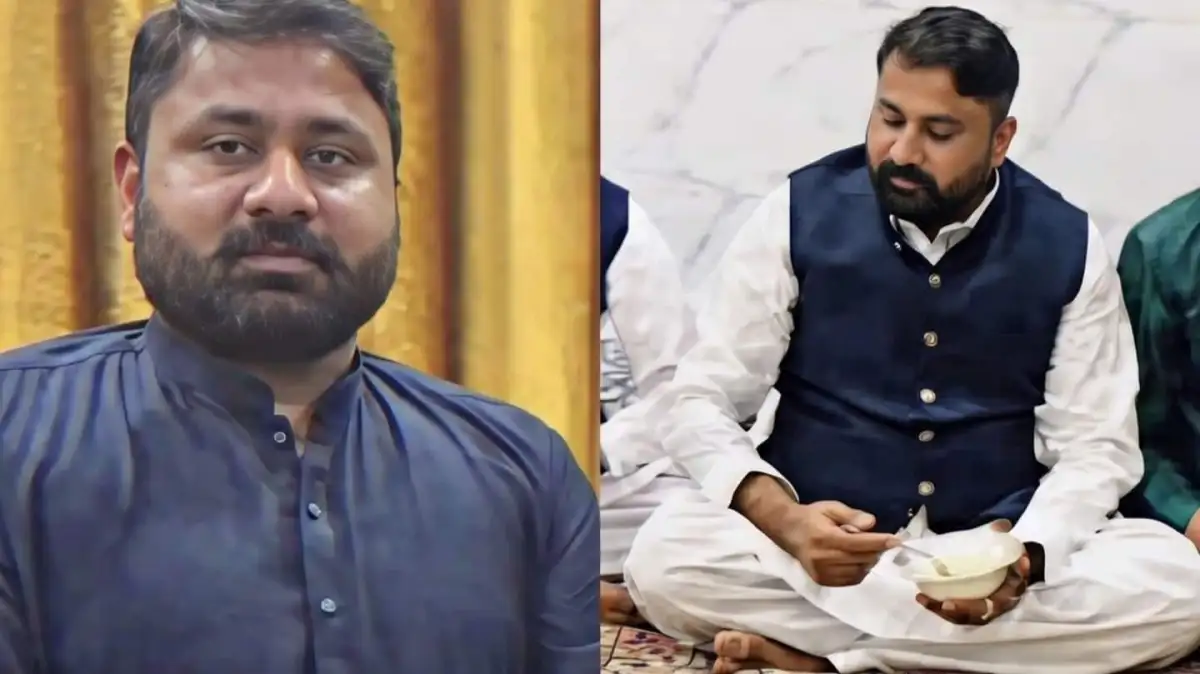
Bilal Arif Sarafi, identified as a commander within the Lashkar-e-Taiba (LeT) militant organization, was killed near the group's former headquarters in Muridke, Pakistan. Sources indicate he was both stabbed and shot shortly after Eid prayers. While the exact reasons for the killing remain unclear, intelligence suggests a family dispute as the probable cause.

The incident reportedly occurred within the 'Markaz Taiba' complex in Muridke, a location historically associated with Lashkar-e-Taiba activities. Several videos, purported to capture the aftermath of the attack, have circulated on social media. These videos show Sarafi lying lifeless on the ground.

Sarafi is understood to have played a significant role within Lashkar-e-Taiba, allegedly involved in recruiting new members, providing logistical support, and procuring weapons for the group's operations. He is also believed to have been active in spreading the organization's propaganda. It is noted that Sarafi was not sought by Indian authorities.
Read More: Secret Service Promotions After Butler Attack Criticized by Congress
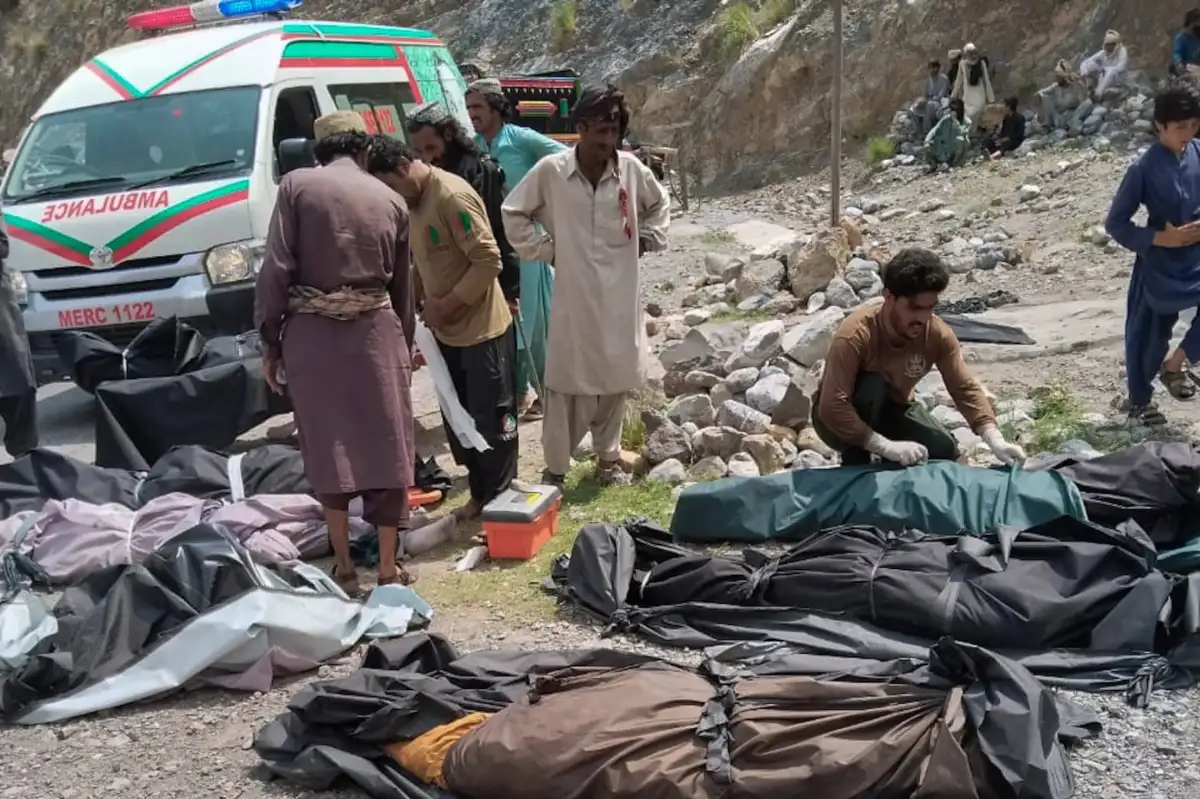
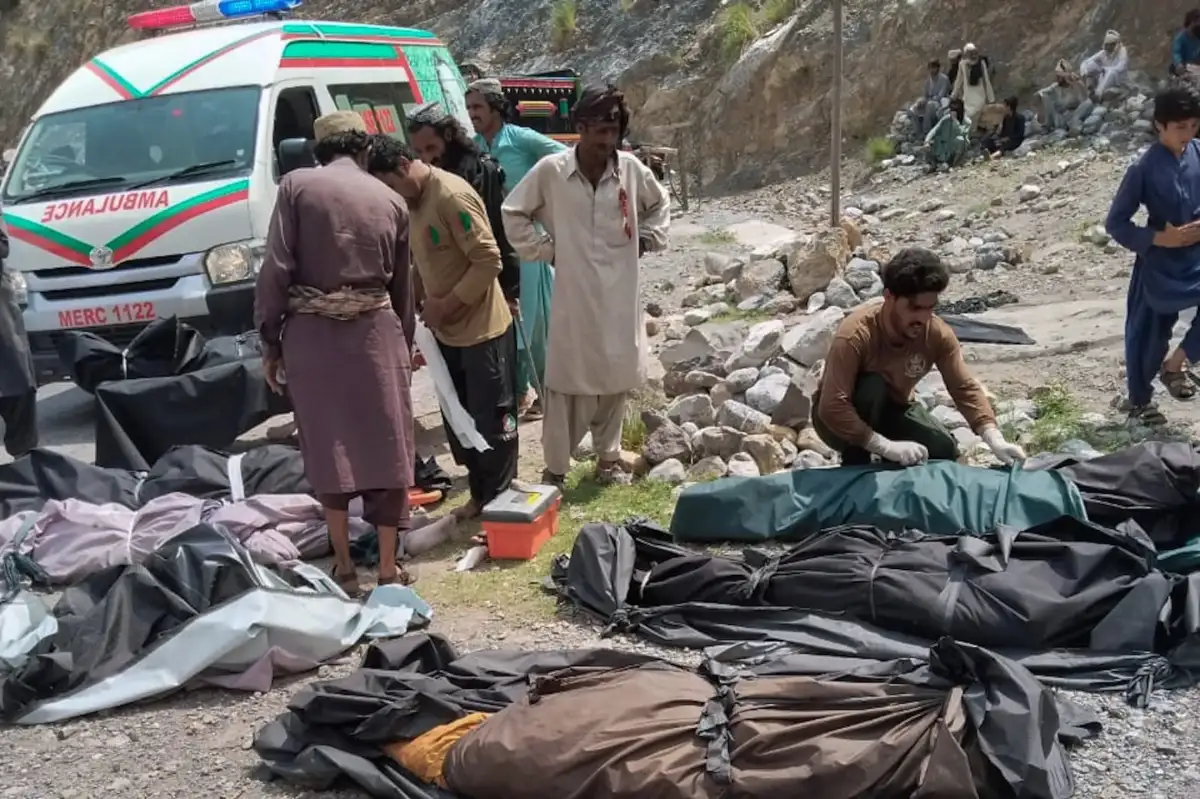
The broader context of violence within Pakistan offers a backdrop to such events. Provinces like Khyber Pakhtunkhwa and Balochistan have seen a disproportionate number of terror incidents. Reports suggest that in a single year, Pakistan recorded over a thousand deaths and a similar number of attacks. The dynamic is complex, with various groups, including Tehrik-e-Taliban Pakistan, identified as prominent actors in these regions. The murder of a commander like Sarafi by individuals identified as family members introduces a layer of internal reckoning, hinting at potential power struggles or personal vendettas that can fester within militant networks, sometimes leading to violent outcomes independent of state actions.