:max_bytes(150000):strip_icc()/GettyImages-72441415-5c3a6f83c9e77c00018c18f6.jpg)
Record sums are being wagered on the Kentucky Derby, a fleeting spectacle where the allure of astronomical payouts for long-shot bets continues to capture public imagination. In 2024, a staggering $211 million was bet on the event. This figure, however, represents only wagers placed through North American racetracks and simulcast outlets, omitting a growing volume of international and online sportsbook activity. The juxtaposition of immense financial stakes with the near-instantaneous conclusion of the race highlights a peculiar economic dynamic.
The Kentucky Derby's prize money structure, while substantial, is often dwarfed by the sheer volume of bets placed. The winner takes home a significant portion of the purse, but the true financial narrative is often written in the odds. A long shot, defined by its historically improbable victory, can turn a modest bet into a life-altering sum for a select few. This phenomenon fuels the enduring fascination with underdog narratives in horse racing, where the unpredictable nature of the sport translates directly into potential windfalls for those willing to bet against the grain.
Read More: FIFA World Cup 2026 Revenue Reaches $15 Billion With New Ticket Prices

The Lure of the Long Shot
The allure of the 1000-1 long shot, though often presented as a hyperbolic ideal, underscores a genuine element of the Derby's appeal. While specific instances of such extreme odds resulting in a win are rare, the possibility of a massive payout on an unheralded horse is a persistent narrative thread. Betting systems, in many cases, are not wagers against the "house" but rather bets against a pool of other bettors, with odds fluctuating based on collective sentiment and money placed. This dynamic means that while a horse might start at a certain price, the final payout is determined by the prevailing odds at the start of the race.

Financial Underpinnings of the Derby
Beyond the betting public's engagement, the financial ecosystem of the Kentucky Derby involves significant sums related to horse ownership, training, and the overall operation of the event. Trainers, for example, are often hired on a race-by-race basis, their compensation tied to performance and the prestige of the races they enter. The lineage and past performance of horses also contribute to their long-term value, influencing breeding and future racing prospects.
Read More: Australia Gambling Ads: New Rules Start May 12, Affecting TV and Online
A Glimpse into Betting History
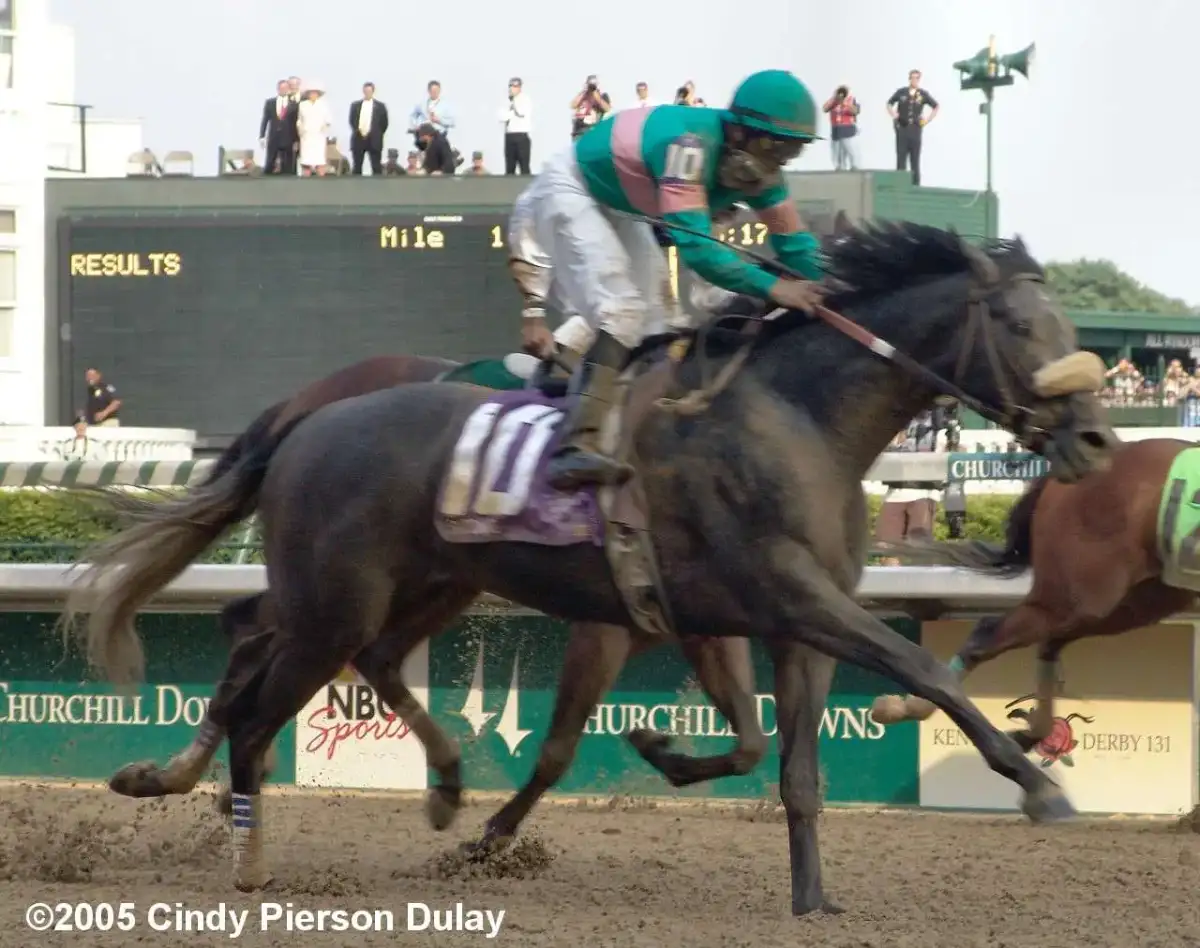
While the 2024 figures paint a recent picture, the pattern of substantial betting on the Derby is well-established. Discussions around payouts often revolve around historical instances where long shots defied expectations, turning small bets into substantial winnings for fortunate individuals. The existence of services dedicated to analyzing Derby odds and payouts, such as FanDuel Racing, indicates a consistent interest in this aspect of the event.
Contextualizing the Numbers
It's important to note that the reported betting figures often come with caveats, such as the exclusion of certain wagering channels. The growth in online and international betting suggests that the true economic scale of the Kentucky Derby may be even larger than publicly accounted for in traditional reports. This continuous expansion, even without the legalization of horse racing betting in additional states, points to a sustained, and possibly growing, engagement with the sport from a financial perspective.
Read More: England World Cup Match: Pubs Open Until 5 AM Monday