"Britain's political landscape is currently marked by significant upheaval, with Prime Minister Keir Starmer facing intense pressure. A series of events have placed his leadership under a harsh spotlight, leading to questions about his political future and the stability of his government."
Recent days have seen Keir Starmer, the leader of the Labour Party and Prime Minister of Britain, at the center of a political maelstrom. Aides have resigned, senior party figures have publicly questioned his leadership, and damaging revelations have surfaced, all contributing to a period of significant uncertainty. The prime minister, despite these challenges, has indicated his intention to remain in his post and has begun outlining strategies for political survival.
Timeline of Events and Key Actors
The current difficulties surrounding Keir Starmer's premiership appear to stem from a confluence of internal party dissent and external pressures.
Read More: MDMK Wants More Seats to Get Official Recognition

Jeffrey Epstein Revelations: Reports have emerged linking Peter Mandelson, a former U.S. ambassador, to convicted sex offender Jeffrey Epstein. This has cast a shadow, with allegations suggesting Starmer's chief of staff, Morgan McSweeney, advised on Mandelson's appointment.
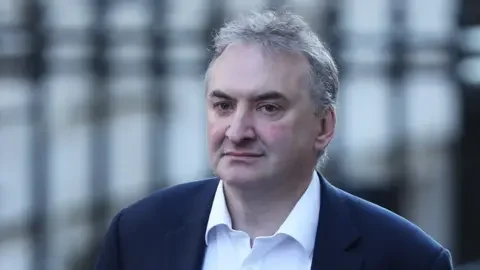
Internal Dissent: The situation escalated when Anas Sarwar, the leader of the Scottish Labour Party, publicly called for Starmer to resign. This marked a significant moment, as Sarwar is a senior figure within the party.
Chief of Staff's Resignation: In response to the growing pressure, Morgan McSweeney, Starmer's chief of staff, resigned. He reportedly accepted responsibility for advising on the appointment that drew scrutiny.
Starmer's Response: Despite the calls for his departure and the internal strife, Keir Starmer has stated his commitment to continuing as leader. He has reportedly spent considerable time outlining a strategy to navigate the current crisis and secure his political future.
Evidence of Strain and Survival
Several reports indicate the seriousness of the challenges faced by Keir Starmer, alongside his determination to persist.
Read More: Many People Still Waiting Long Times for NHS Hospital Care
Public Support Vows: In an effort to demonstrate unity, aides reportedly secured public pledges of support from Starmer's entire Cabinet following the internal calls for his resignation.
Unprecedented Pressure: Descriptions of the situation range from "crisis-hit" to "Labour's biggest crisis yet," highlighting the severity of the political pressure.
Unpopular Prime Minister: Reports suggest Starmer is currently the "most unpopular prime minister on record," a stark contrast to the "landslide majority" he reportedly secured a year prior.
Survival Strategy: Starmer has publicly presented a "survival strategy" for the upcoming period, signaling his intent to actively combat the challenges rather than concede.
The Epstein Connection: A Lingering Shadow?
The association with Jeffrey Epstein's circle has become a focal point, raising questions about political judgment and internal advice.

Advice on Mandelson: Evidence suggests that advice given to Starmer concerning the appointment of Peter Mandelson is a key element in the current crisis.
Chief of Staff's Accountability: Morgan McSweeney's resignation frames him as the individual who took responsibility for this particular piece of advice.
Starmer's Silence: Keir Starmer himself has not publicly commented on the specific claims related to Mandelson and Epstein, a detail noted in multiple reports.
Internal Party Dynamics: A Battle for Leadership
The internal workings of the Labour Party are clearly under strain, with figures publicly diverging on the path forward.
Read More: Gen Z's Big Test: Can Young Voters Change Bangladesh?
Sarwar's Call for Resignation: Anas Sarwar's public appeal for Starmer to step down is a direct challenge to his leadership, representing a significant internal fissure.
Starmer's Resistance: Despite the internal dissent and the calls for him to "step aside," Starmer has made it clear he intends to "fight on."
Shift in Power Dynamics: The events have exposed a vulnerability in Starmer's position, prompting a need for him to actively consolidate support and reinforce his authority.
Broader Geopolitical Context: The "Trump Factor"
While internal party matters are significant, external geopolitical factors are also mentioned as influencing Britain's strategic position.
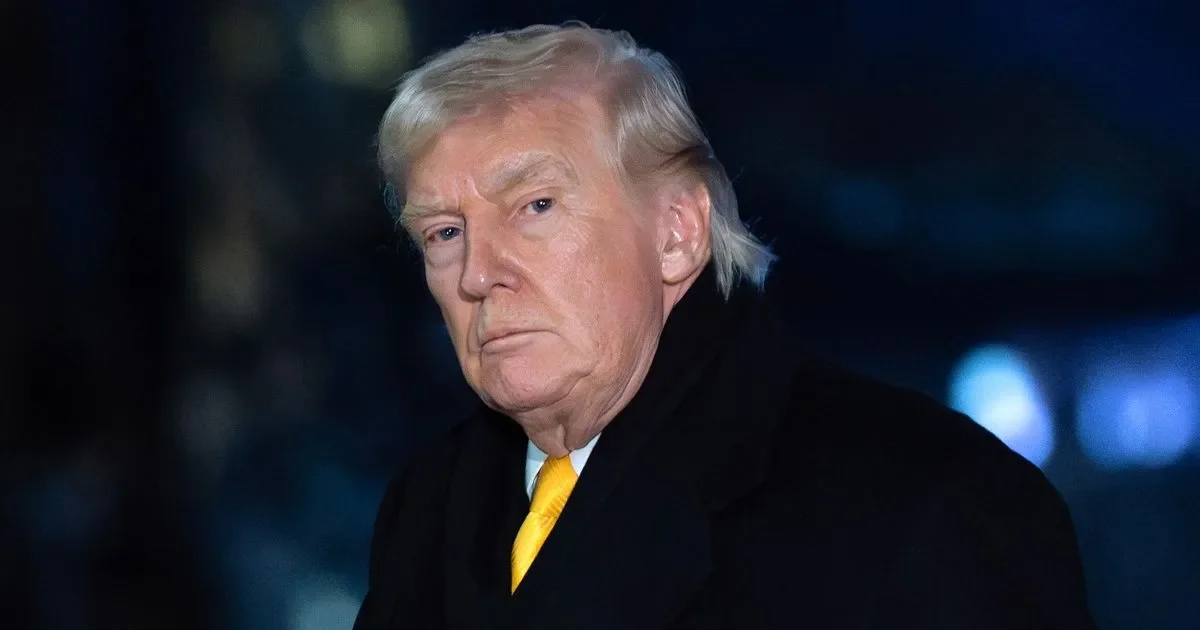
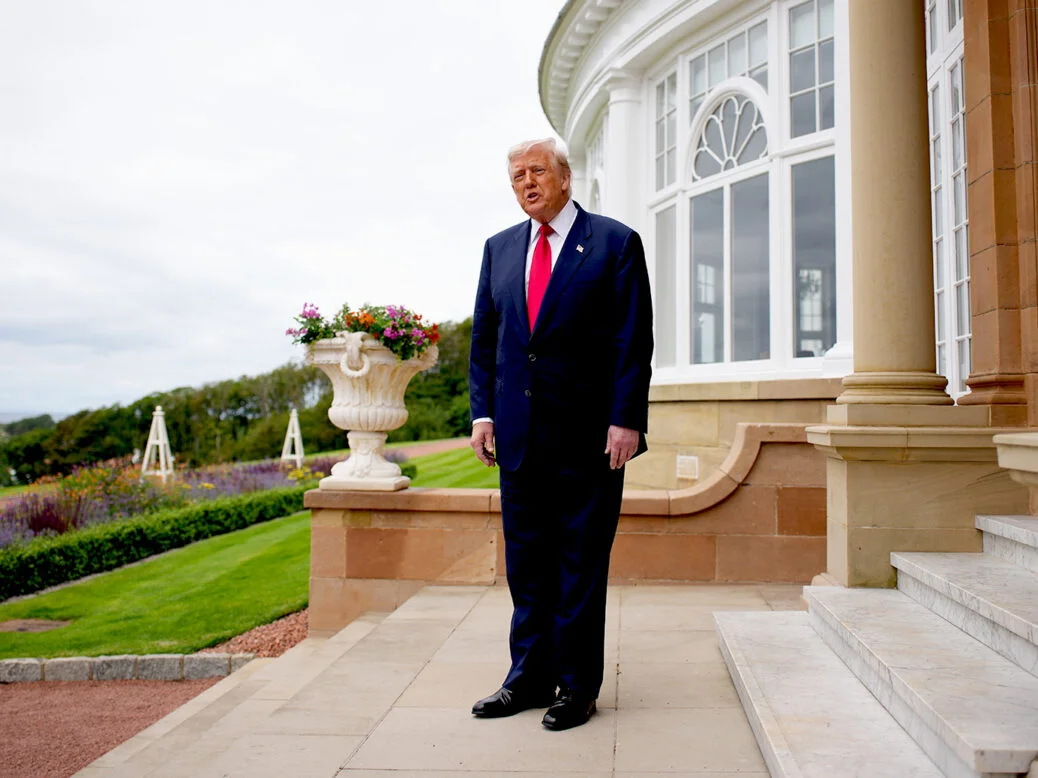
US Dependence: Reports suggest Britain's reliance on "US goodwill" for its strategic capabilities makes it vulnerable to shifts in American foreign policy, particularly under a potential Donald Trump presidency.
Strategic Vulnerability: The potential for "imperial rampage" by Trump is framed as a challenge that Britain, alongside its European allies, must prepare for to avoid being broken.
Future Challenges: The need for Starmer to "think the unthinkable" suggests that the current political strategy may require bold and unconventional approaches to navigate future global uncertainties.
Expert Commentary and Analysis
Political observers have commented on the gravity of Starmer's situation and the stakes involved.
Read More: UK Economy Grows Very Slowly at End of 2025
"Starmer has survived a day in which a top aide resigned and his most senior colleague yet tried to topple him." - Politico.eu
"Despite the scale of the pressure, Starmer has chosen to resist calls to step aside, telling his party and the country that he intends to fight on." - Firstpost.com
"Can Sir Keir Starmer turn it round? Starmer warned those plotting to remove him from office that he is going nowhere." - The Times (via AOL)
Conclusion and Future Implications
Keir Starmer's leadership is currently under intense scrutiny, stemming from a combination of alleged ethical concerns linked to Jeffrey Epstein, internal party dissent spearheaded by figures like Anas Sarwar, and the strategic implications of global political shifts. The resignation of his chief of staff, Morgan McSweeney, highlights the seriousness of the situation. Starmer's public commitment to remain in post and his development of a "survival strategy" indicate a proactive approach to navigating this turbulent period. The coming days and weeks will likely reveal the effectiveness of his response and the resilience of his leadership within the Labour Party and on the broader political stage.
Sources Used
Financial Times: Article discussing the political situation surrounding Keir Starmer.
Link: https://www.ft.com/content/c9a27925-47f8-4542-a165-102bca95bce3
Politico.eu: Report detailing Keir Starmer's survival of a critical day amidst leadership challenges.
Link: https://www.politico.eu/article/britain-crisis-prime-minister-labour-keir-starmer-survive/
Firstpost: Explainer on how Keir Starmer navigated a significant crisis within the Labour Party, linking it to the Epstein controversy.
Link: https://www.firstpost.com/explainers/how-keir-starmer-survived-labour-crisis-mandelson-epstein-explained-13978055.html
New Statesman: Article discussing geopolitical challenges, including potential implications of a Donald Trump presidency, for Britain and Keir Starmer.
Link: https://www.newstatesman.com/international-politics/geopolitics/2026/01/to-survive-trump-starmer-must-think-the-unthinkable
The Times (via AOL): Report on Keir Starmer's strategy for survival in 2026 and his public stance on leadership challenges.
Link: https://www.thetimes.com/uk/politics/article/keir-starmer-survive-2026-nigel-farage-rqqc3frkk
Read More: Minister Asks to Stop Firing Top Civil Servant While New Papers Come Out