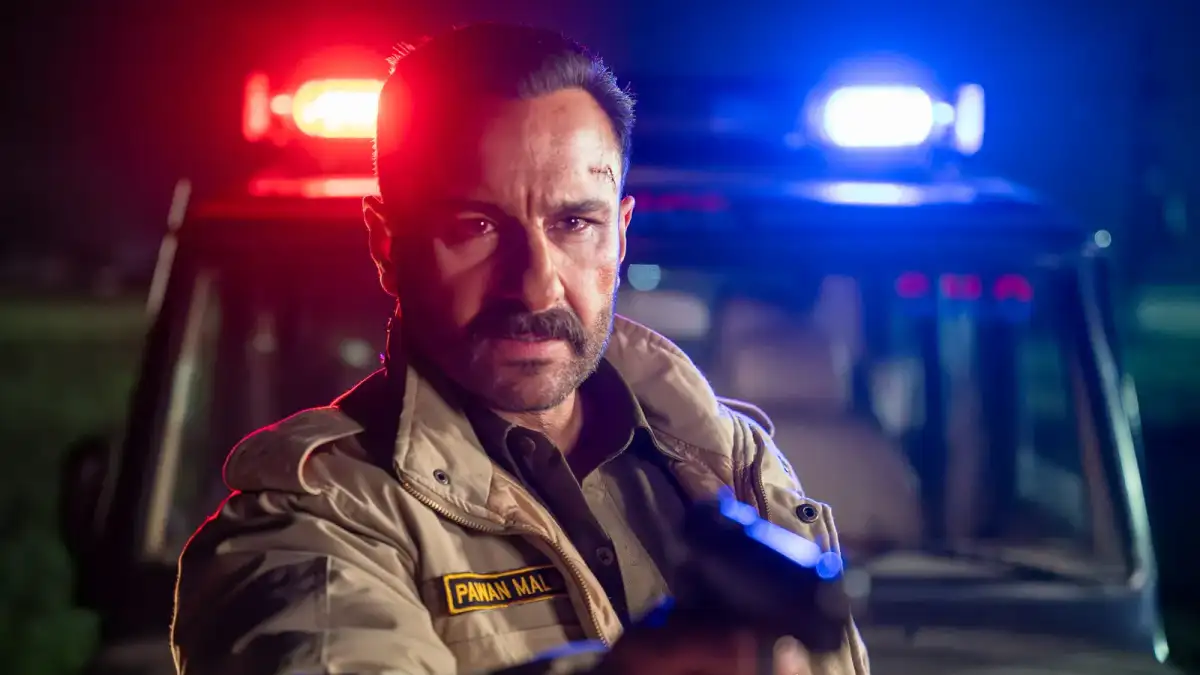
Netflix has unveiled the trailer for its latest original production, Kartavya, slated for a global release on May 15, 2026. The project, produced by Red Chillies Entertainment, features Saif Ali Khan in the central role of Pawan, a police officer navigating a conflict between professional duty and private instability.

The core narrative hook centers on the protagonist’s failure to secure a journalist under his protection, an event that serves as the catalyst for systemic scrutiny and a broader personal crisis involving his brother.

| Feature | Detail |
|---|---|
| Lead Actor | Saif Ali Khan |
| Director | Pulkit |
| Streaming Platform | Netflix |
| Release Date | May 15, 2026 |
| Key Supporting Cast | Rasika Dugal, Sanjay Mishra, Zakir Hussain |
Conflict and Thematic Framing
The promotional materials position the film as a divergence from traditional genre tropes. Rather than emphasizing hero-centric righteousness, the narrative focuses on "morally grey spaces" and the cost of individual decision-making.
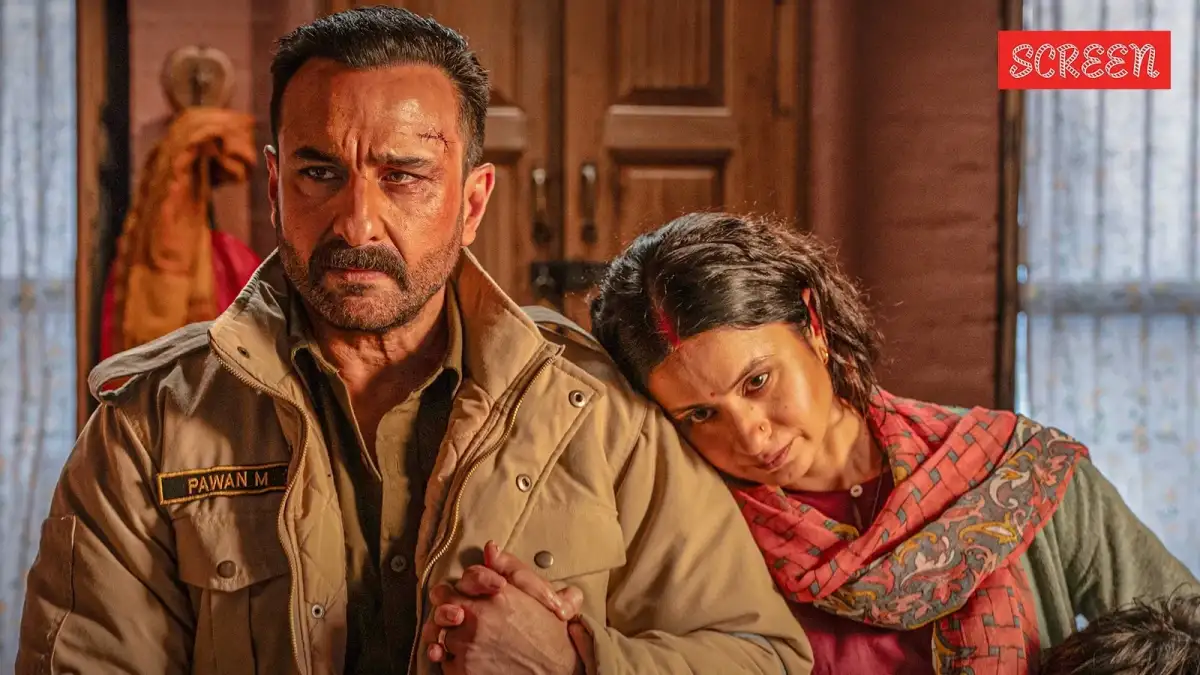
Internal Negotiation: The lead character is defined as a 'Mahadev' devotee whose religious identity is juxtaposed against a rigid, often corrupt, institutional system.
Professional Liability: The plot is driven by the immediate consequences of a security failure, forcing the protagonist into an investigation that puts him at odds with senior officials.
Structural Pressures: The narrative forces a synthesis of high-stakes crime drama and domestic vulnerability, specifically utilizing a familial threat as a secondary pressure point for the protagonist.
Industry Context and Production
The project represents a continued collaborative effort between Netflix and Red Chillies Entertainment. The involvement of industry stakeholders suggests a strategic push to capitalize on "layered" storytelling models that prioritize psychological strain over spectacle.
Read More: Netflix 'Legends' Drama Shows Risks of Unsung War on Drugs Heroes

According to Saif Ali Khan, the script was brought to him personally by Shah Rukh Khan, highlighting the insular nature of talent acquisition in major production houses. The director, Pulkit, maintains that the objective of the work is to place the viewer in "uncomfortable spaces," suggesting an attempt to mirror contemporary skepticism toward law enforcement and state power. The film's reception will serve as a bellwether for the Audience Appetite for cynical, gritty crime procedurals in the current fiscal quarter.