ISLAMABAD – A devastating suicide bombing at the Khadijatul Kubra mosque in Islamabad's Tarlai area on Friday has left a nation reeling, with 31 dead and 169 injured. The horrific attack, which occurred during crowded Friday prayers, has once again cast a dark shadow over Pakistan's security landscape. But as the dust settles and the cries of the wounded echo, a torrent of critical questions demands answers: How could such a brazen act of terror unfold in the heart of the capital, and were there missed opportunities to prevent this tragedy? This investigation delves into the stark realities of the attack, scrutinizes the security apparatus, and probes the underlying currents of extremism that continue to plague Pakistan.
The Unfolding Horror: A Day of Devastation
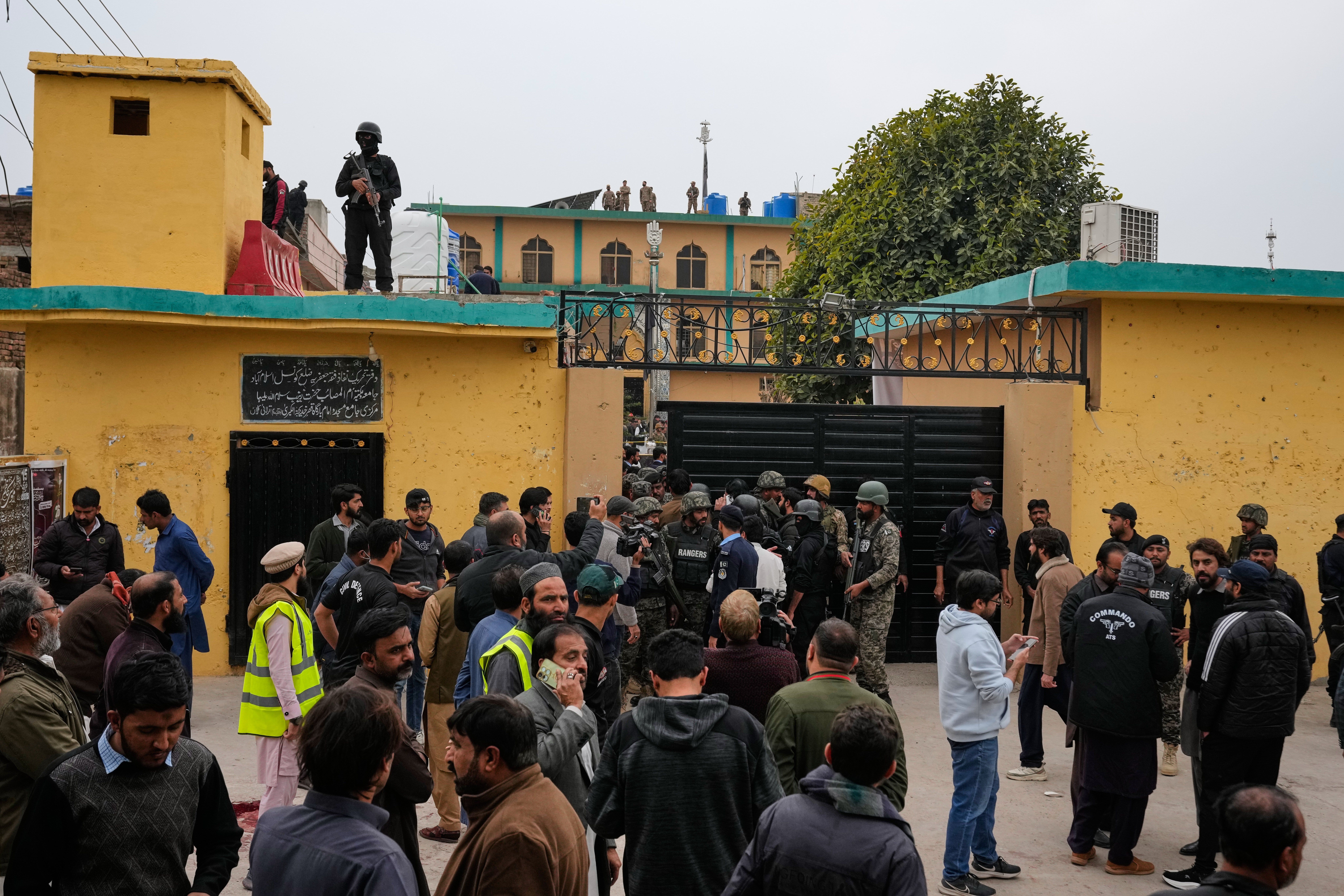
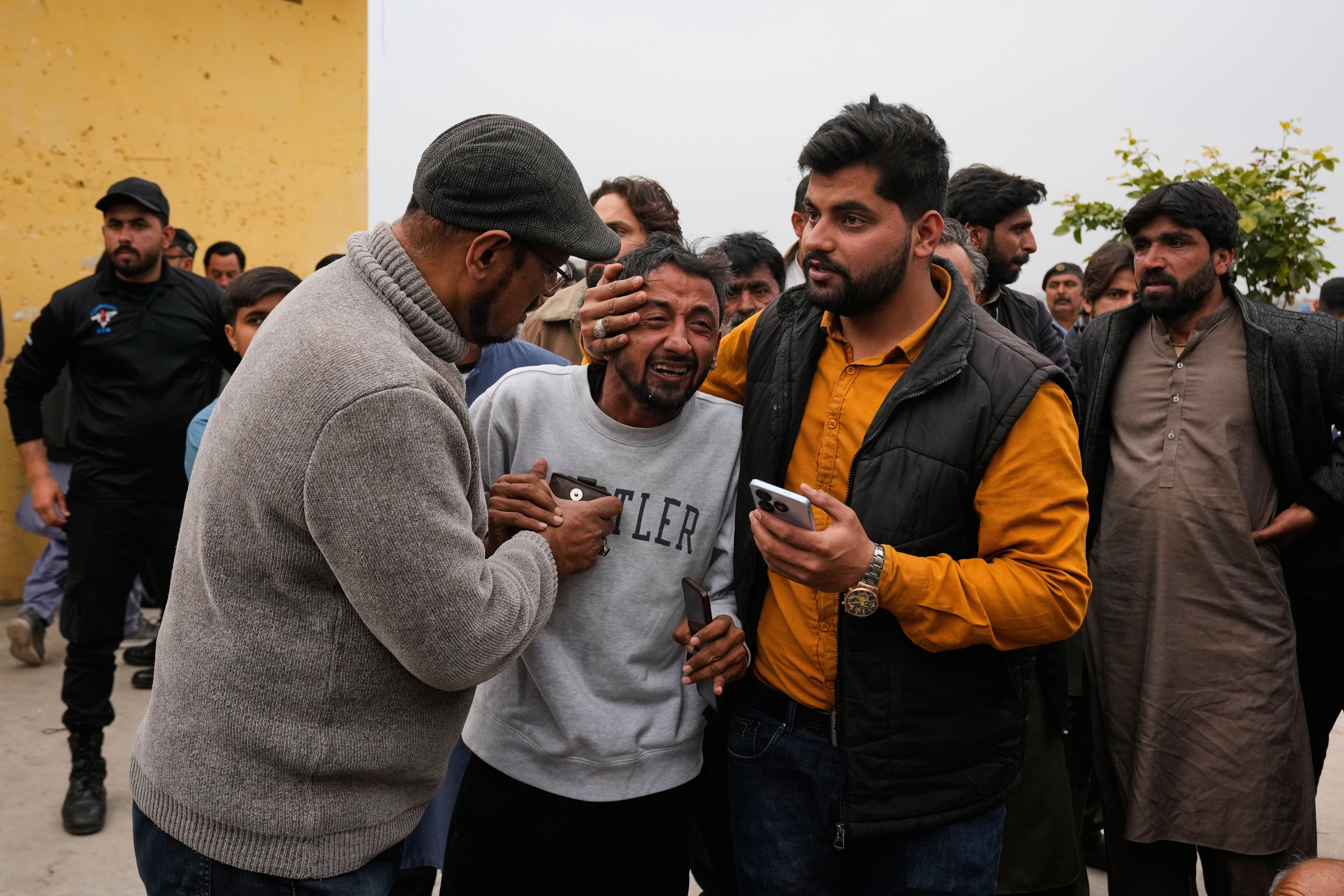
The peaceful solemnity of Friday prayers was shattered by a thunderous explosion within the Khadijatul Kubra mosque-cum-imambargah. Eyewitnesses describe a scene of utter chaos and carnage:
Read More: Iran Zagros Mountain Nuclear Site Construction Update April 2026
People had gathered in large numbers for the midday prayers.
The bomber, identified as a suicide attacker, was reportedly stopped at the mosque's entrance but detonated his explosives.
Some reports suggest the attacker opened fire before detonating, adding another layer of brutality to the assault.
The blast ripped through the prayer hall, leaving bodies and wounded scattered across the carpeted floor.
Hospitals in Islamabad and Rawalpindi were placed on high alert, struggling to cope with the influx of critically injured victims.
"I was praying in the mosque courtyard when I heard a sudden, loud explosion. I counted around 30 bodies inside the mosque," recounted Hussain Shah, a survivor who was praying at the time of the blast. (AP News)
The scale of the casualties—31 confirmed dead and 169 injured, with many in critical condition—underscores the devastating impact of this attack. This wasn't a stray incident; it was a meticulously planned assault targeting a specific religious community.
A Pattern of Violence: The Shiite Minority Under Siege
The targeting of a Shiite mosque is a chillingly familiar pattern in Pakistan. Shiites, a minority in the predominantly Sunni Muslim nation, have long been targets of sectarian violence. Militant groups, often espousing extremist ideologies, frequently view Shiites as heretics.

| Target Group | Alleged Perpetrators | Previous Incidents (Islamabad) |
|---|---|---|
| Shiite worshippers | Pakistani Taliban (TTP), Islamic State (IS) | Suicide bombing outside court (Nov) |
| Civilians | Various militant and extremist groups | |
| Security forces | Various militant and extremist groups |
The attack on the Khadijatul Kubra mosque is not an isolated event but part of a disturbing trend of religiously motivated violence against Pakistan's Shiite population. This raises critical questions about the state's ability to protect its minority communities from extremist narratives and attacks.
Read More: 40 Die in Quetta to Peshawar Bus Crash in Balochistan on April 3 2026
Whispers of Blame: Who is Behind the Slaughter?
While no group has officially claimed responsibility yet, initial investigations and intelligence assessments are pointing towards known extremist entities.

Pakistani Taliban (Tehrik-i-Taliban Pakistan - TTP): Police sources cited by CNN suggest internal investigations point towards the TTP. The TTP, a Sunni Islamist militant group, has a documented history of targeting Shiites, viewing them as apostates.
Islamic State (IS): The IS group has also been blamed for previous attacks on Shiite worshippers in Pakistan, indicating a potential nexus of regional extremist networks.
"Internal investigations suggest that Pakistan’s Taliban, or Tehrik-i-Taliban Pakistan (TTP), was behind the attack," police sources told CNN. (CNN)
The TTP's motivation stems from its hardline interpretation of Islam, which labels Shiites as infidels, making them legitimate targets in the group's eyes. But how effective are these groups, and what are the specific vulnerabilities they exploit?
The Islamabad Enigma: A Capital Under Threat?
Islamabad, the federal capital, is often perceived as a highly secure city. Yet, this attack, and a similar suicide bombing outside a court in November that killed 12 people, challenge that perception.

The November bombing outside the Islamabad High Court was described as the worst suicide attack to rock the capital in nearly two decades. (CNN)
Despite a strong security presence, how did a suicide bomber manage to breach the defenses of a mosque during a highly populated event?
Was the security at the mosque adequate for a Friday prayer gathering?
Were there specific intelligence warnings about potential threats to Shiite gatherings or religious sites in Islamabad?
"The federal capital being targeted in such a manner is a grave security lapse," stated a senator, reflecting widespread concern over the state's failure to protect citizens. (The Express Tribune)
The fact that a suicide bomber could detonate explosives in a prominent mosque within the capital city raises serious questions about intelligence gathering, threat assessment, and the efficacy of security protocols in and around Islamabad.
Beyond the Blast: Deeper Societal Fault Lines
The attack is not just a security failure; it is a symptom of deeper societal divisions and the persistent threat of extremist ideology.
Read More: Pakistan Bus Crash Kills 40 in Southwestern Ravine
Sectarian Hatred: The targeting of Shiites highlights the deep-seated sectarian tensions that extremist groups actively exploit.
Extremist Narratives: How are these groups recruiting and radicalizing individuals to carry out such heinous acts? What platforms are they using?
Government Response: Beyond condemnations, what concrete, long-term strategies are in place to counter extremism and sectarianism? Are these strategies effectively implemented?
"Militant groups often target security forces and civilians across Pakistan," the articles note, emphasizing the pervasive nature of the threat. (Independent, AP News)
The attack on the mosque serves as a stark reminder that security measures alone are insufficient. A comprehensive approach addressing the root causes of extremism, promoting inter-sectarian harmony, and countering hate speech is crucial for lasting peace.
The Unanswered Questions: A Call for Accountability
As the nation mourns its dead and cares for the wounded, several critical questions demand honest and transparent answers:
Intelligence Failures: What specific intelligence was available regarding potential threats to the Khadijatul Kubra mosque or similar Shiite gatherings? Was this intelligence acted upon effectively?
Security Protocol Lapses: What were the security arrangements at the mosque on the day of the attack? Were they in line with the assessed threat level? How did the bomber manage to get past security?
Investigation Transparency: Will the investigation into the attack be thorough, independent, and transparent? Will the findings be made public?
Counter-Terrorism Strategy: What are the current counter-terrorism strategies to prevent future attacks, particularly against minority religious groups? How are they being adapted to address evolving threats?
Addressing Root Causes: Beyond immediate security measures, what steps are being taken to counter the ideological drivers of extremism and sectarian violence in Pakistan?
The blast at the Khadijatul Kubra mosque is a tragic indictment of the ongoing security challenges Pakistan faces. It is a call for introspection, accountability, and a renewed commitment to protecting all citizens, regardless of their faith or background. The true measure of the nation's resilience will be in its ability to confront these uncomfortable truths and forge a path towards lasting peace and security.