The Devastating Blow: Echoes of Violence in the Heart of Pakistan's Capital
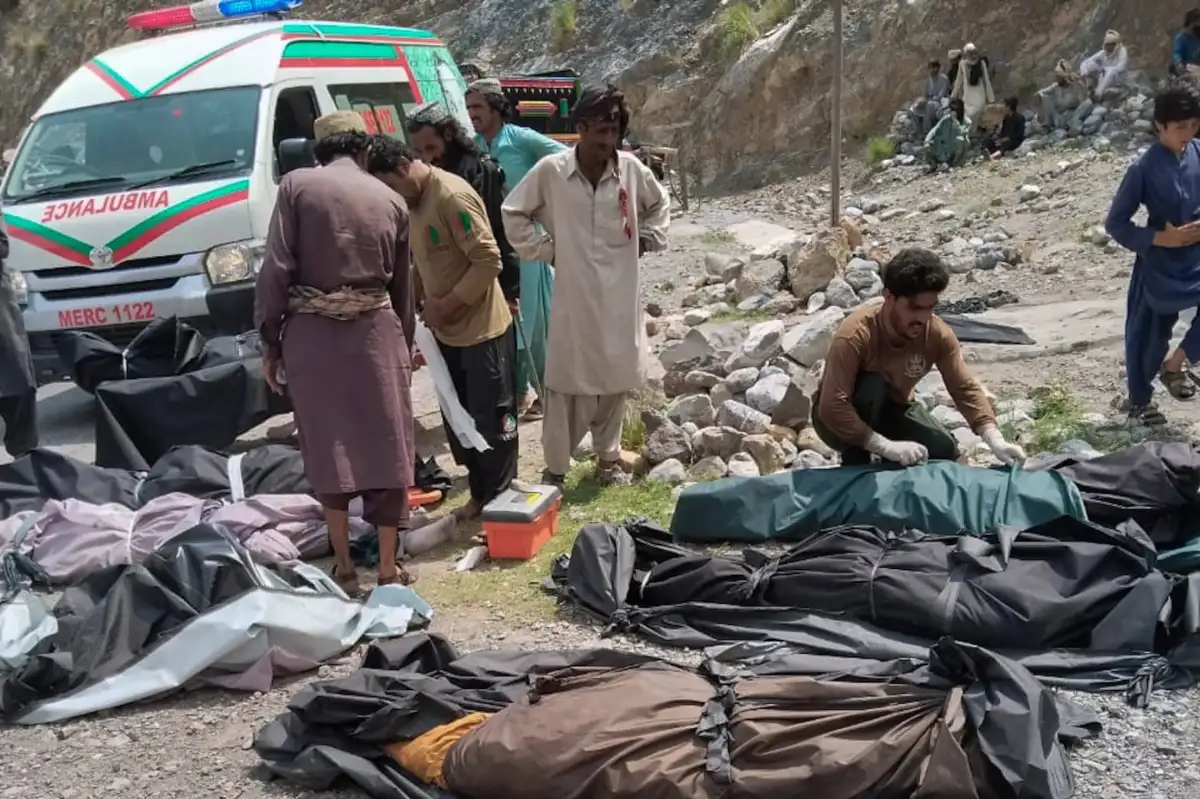
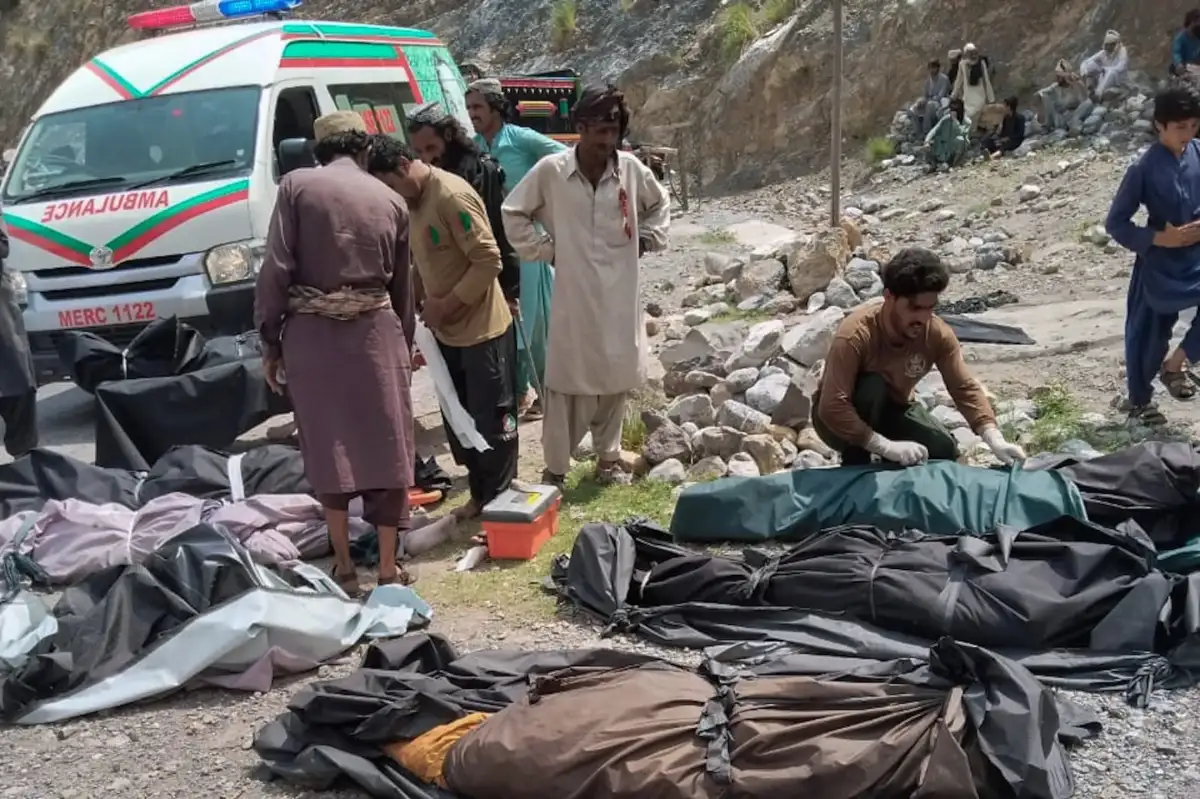
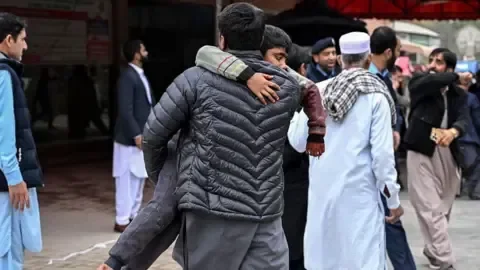
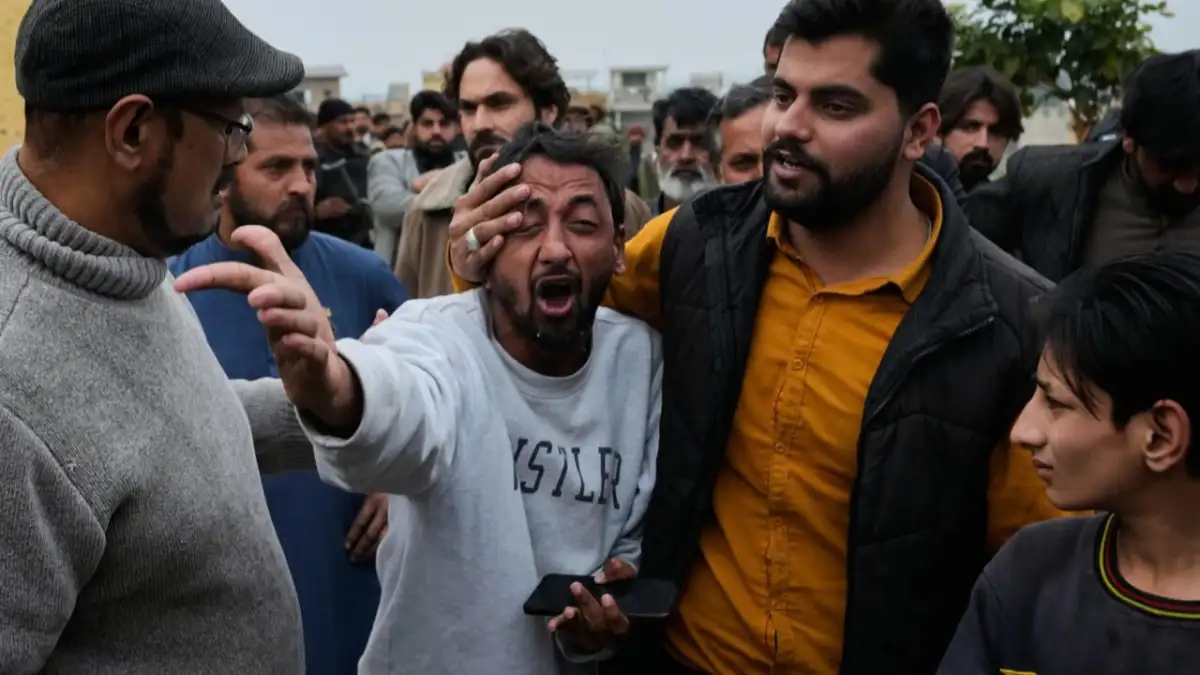
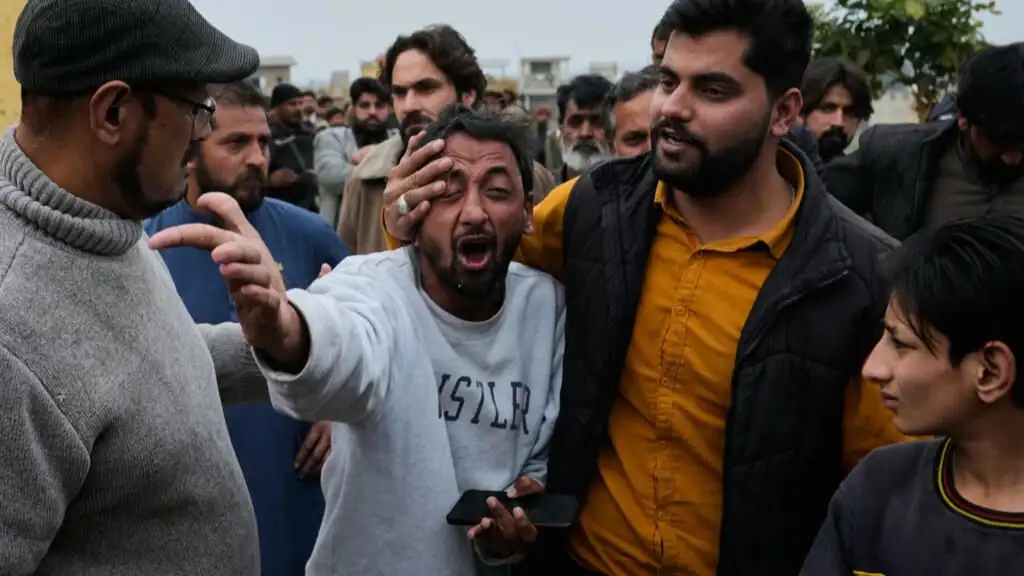
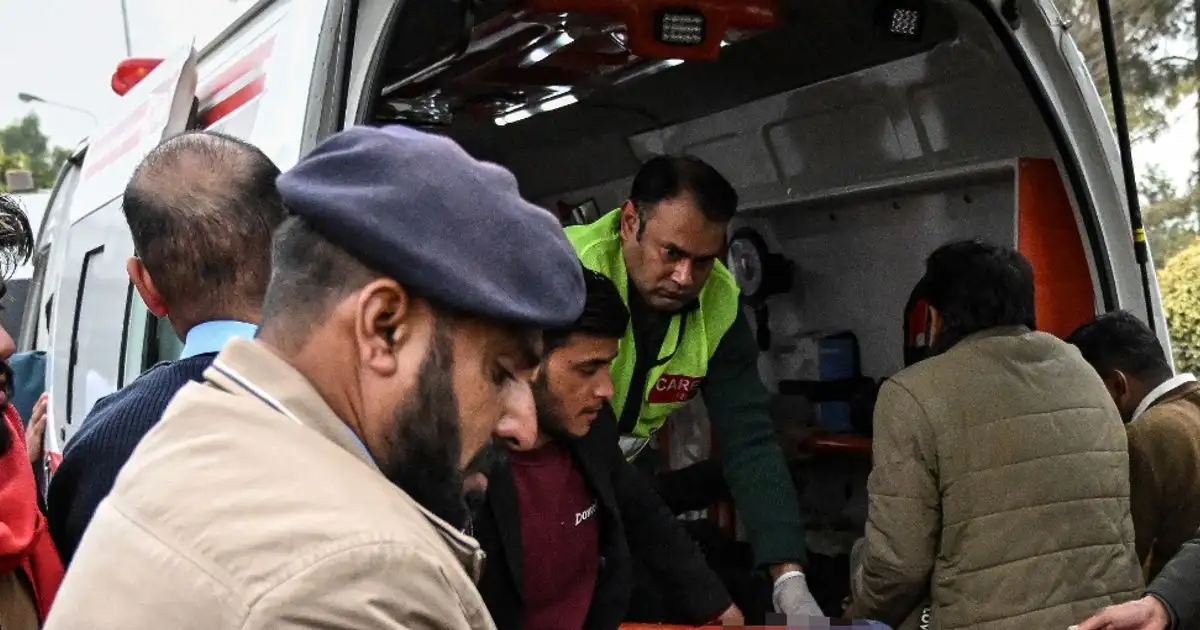
Islamabad, Pakistan - The air in the Tarlai area of Islamabad, usually a haven of Friday prayers, was shattered by a horrific explosion that ripped through the Khadija Tul Kubra mosque, a place of worship for the Shiite Muslim community. The deafening blast, occurring during congregational prayers, left a scene of unimaginable devastation, with at least 31 souls tragically lost and a staggering 169 others injured, according to official reports. This act of terror, targeting innocent civilians in their most sacred hour, has sent shockwaves across the nation and ignited a fierce debate about the pervasive threat of extremism.
But in the wake of such profound grief, a critical question looms: is the official narrative enough? Are we truly understanding the forces at play, or are we simply accepting the pronouncements without probing deeper? This report aims to cut through the immediate tragedy to examine the context, the actors, and the unanswered questions that surround this heinous act.
Read More: Iran Zagros Mountain Nuclear Site Construction Update April 2026
The Shadow of Extremism: A Familiar Nightmare
Pakistan has a grim history of confronting extremist violence, and this latest attack unfortunately adds another dark chapter to that narrative. The targeting of a Shiite mosque is particularly alarming, given the historical vulnerability of this minority community to sectarian violence.
Timeline of Terror:
November Last Year: A chilling precursor, a suicide bomber detonated explosives at the Islamabad District Judicial Complex, killing at least 12 people. This attack, like the recent mosque bombing, targeted a civilian space and underscored the growing audacity of extremist groups.
Recent Attacks in Balochistan: Just a week prior to the Islamabad mosque bombing, the outlawed Baloch Liberation Army carried out multiple attacks in Balochistan, resulting in the deaths of approximately 50 people. This highlights a broader pattern of escalating violence across different regions and with various alleged perpetrators.
The recurrence of such attacks, often during periods of high-profile state visits (the Uzbek President was in Pakistan at the time of the mosque bombing), raises critical questions about security preparedness and the effectiveness of counter-terrorism strategies.
Unraveling the Threads: Who is Responsible?
While initial reports and official statements point towards a suicide attack, the precise identity of the perpetrators remains a subject of intense speculation and ongoing investigation.
"Internal investigations suggest that Pakistan’s Taliban, or Tehrik-i-Taliban Pakistan (TTP), was behind the attack, police sources told CNN." (CNN World)
This attribution to the Tehrik-i-Taliban Pakistan (TTP), a well-known militant group, is a significant lead. However, the absence of an immediate claim of responsibility from any group, despite the scale of the attack, invites deeper scrutiny.
Read More: 40 Die in Quetta to Peshawar Bus Crash in Balochistan on April 3 2026
The TTP's Motives: The TTP has a history of targeting both security forces and civilians, often with sectarian undertones. Their stated aims and past actions suggest a deliberate effort to destabilize Pakistan and sow fear.
Other Potential Actors: Could there be other, less visible groups or even elements within existing extremist networks that played a role? The complexity of the regional security landscape in Pakistan, with its myriad of militant factions and their shifting alliances, necessitates a thorough examination of all possibilities.
The "Fitna al-Khawarij" Mention: One report mentioned "terrorists linked to Fitna al-Khawarij" targeting the mosque. What does this specific nomenclature signify, and does it point to a particular ideological alignment or a specific faction within the broader extremist spectrum?
The immediate finger-pointing at the TTP, while plausible, must be corroborated by irrefutable evidence, especially given the volatile nature of militant group affiliations and propaganda.
A Nation in Mourning, A System Under Pressure
The response from Pakistan's leadership has been swift, with Prime Minister Shehbaz Sharif condemning the incident and expressing "deep grief." An emergency was declared in major hospitals, and rescue operations were immediately launched.
"Pakistan's Prime Minister Shehbaz Sharif has condemned the incident, expressing 'deep grief'." (BBC News)
However, the sheer scale of the casualties and the location of the attack raise pointed questions about security lapses.
Security Around Worship Places: Why was a mosque, particularly one serving a minority community, vulnerable to such a devastating attack during Friday prayers, a time of heightened congregation?
Intelligence Failures?: Were there any intelligence red flags missed? Given the previous attacks in Islamabad, especially the one at the judicial complex, what specific measures were in place to prevent a recurrence?
The Broader Security Apparatus: Is the current counter-terrorism strategy robust enough to protect citizens, particularly vulnerable minorities, from well-orchestrated attacks?
| Key Figures & Numbers | Details ||———————————-|———————————————————————————————|| Death Toll | At least 31 confirmed dead. || Injured | At least 169 people transferred to hospitals. || Location | Khadija Tul Kubra mosque (Shiite), Tarlai area, Islamabad. || Time of Attack | During Friday prayers. || Official Condemnation | Prime Minister Shehbaz Sharif. |
Read More: Pakistan Bus Crash Kills 40 in Southwestern Ravine
The juxtaposition of swift condemnation from leaders with the devastating reality on the ground points to a systemic challenge in translating pronouncements into tangible security for its citizens.
The Geopolitical Undercurrents: More Than Just Domestic Extremism?
It is crucial to consider the broader geopolitical context in which this attack occurred. Pakistan, a nation with a complex relationship with its neighbors and international powers, often finds itself at the crossroads of regional security dynamics.
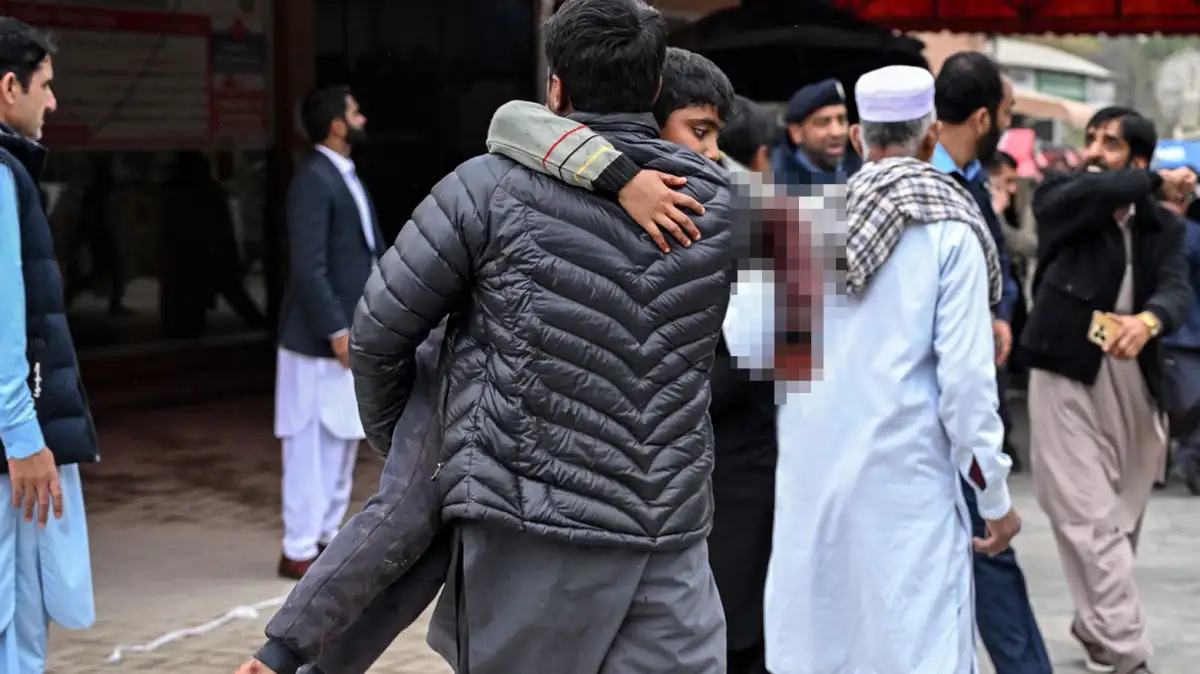
The Uzbek President's Visit: The attack occurred on the same day as the two-day state visit of Uzbek President Shavkat Mirziyoyev. This timing is highly suspicious. Is this a deliberate act to disrupt diplomatic relations or send a message to foreign dignitaries?
Afghanistan as a "Bottleneck": One report mentioned Afghanistan remaining a "bottleneck" in discussions, implying a potential role for cross-border militant activities or concerns about the security situation in Afghanistan influencing Pakistan's internal security.
Regional Stability: Acts of terrorism, especially in a capital city, have ripple effects on regional stability and international perceptions of Pakistan's security environment. How does this attack impact Pakistan's standing and its efforts to attract foreign investment and foster diplomatic ties?
The timing of the attack, coinciding with a significant diplomatic event, suggests a potential motive that extends beyond internal sectarian strife, possibly aiming to undermine Pakistan's international engagements or influence.
The Unanswered Questions: A Call for Deeper Inquiry
As the dust settles and the nation grapples with immense sorrow, a multitude of questions demand honest and thorough answers.
Evidence of Suicide Bomber: While sources point to a suicide attack, what is the definitive forensic evidence supporting this claim? Are there remnants of explosive devices or the bomber's remains that have been conclusively identified?
TTP's Direct Involvement: If the TTP is indeed responsible, what specific intelligence links them directly to the planning and execution of this attack? Has any credible evidence been shared with the public?
The Role of External Support: Are there any indications of external support, financial or logistical, for the perpetrators? Given the sophisticated nature of such attacks, this cannot be ignored.
Impact on Shiite Community: How will this attack further impact the security and well-being of the Shiite community in Pakistan? What concrete measures will be taken to ensure their protection moving forward?
Long-Term Security Strategy: Beyond immediate condemnations and security alerts, what is Pakistan's long-term, sustainable strategy to eradicate extremist ideologies and prevent such tragedies from recurring?
The true measure of Pakistan's resolve will not be in its expressions of grief, but in its unwavering commitment to uncovering the full truth, holding perpetrators accountable, and implementing robust, systemic changes to protect all its citizens.
Read More: Ayatollah Ali Khamenei Funeral Schedule in Iran and Iraq April 2026
The Path Forward: Beyond Immediate Condemnation
The bombing of the Khadija Tul Kubra mosque is a stark reminder of the persistent threat of extremism that Pakistan faces. While the immediate outpouring of sorrow and condemnation is understandable, the nation's free thinkers and critical journalists must push for more.
The investigation must be transparent, exhaustive, and publicly accessible. The attribution of responsibility must be based on solid evidence, not just preliminary assessments. The government must demonstrate a clear and actionable plan to safeguard its citizens, particularly minority communities, from such barbaric acts.
Enhanced Intelligence Gathering: A renewed focus on intelligence collection and sharing is paramount.
Community Policing: Strengthening community engagement and trust can help in identifying potential threats.
Countering Extremist Narratives: Addressing the root causes of radicalization by countering extremist ideologies through education and dialogue is a long-term necessity.
Accountability and Justice: Ensuring that those responsible, no matter how powerful, are brought to justice swiftly and fairly.
The blood spilled in the Islamabad mosque on this somber Friday is a scar on the nation's conscience. It is a call to action, not just for mourning, but for a rigorous pursuit of truth, justice, and enduring peace.
Sources:
BBC News: More than 30 killed in blast at Pakistan mosque, officials sayhttps://www.bbc.com/news/articles/cg7y7gz2835o
France24: Suicide bombing at Islamabad Shiite mosque kills at least 30 peoplehttps://www.france24.com/en/asia-pacific/20260206-suicide-bombing-islamabad-shiite-mosque-kills-at-least-20-people
The Mirror: Horror mosque explosion kills at least 31 worshippers as dozens injuredhttps://www.mirror.co.uk/news/world-news/breaking-islamabad-pakistan-mosque-explosion-36679858
Al Jazeera: At least 31 killed, dozens wounded in Islamabad mosque blasthttps://www.aljazeera.com/news/2026/2/6/explosion-rocks-mosque-in-pakistans-islamabad
Kurdistan24: Explosion at Mosque in Pakistan’s Capital Leaves Multiple Dead and Scores Wounded, Officials Sayhttps://www.kurdistan24.net/en/story/892349/explosion-at-mosque-in-pakistans-capital-leaves-multiple-dead-and-scores-wounded-officials-say
Business Standard: 24 killed, over 100 injured in a blast at a religious centre in Pakistanhttps://www.business-standard.com/world-news/24-killed-over-100-injured-in-a-blast-at-a-religious-centre-in-pakistan-1260206012591.html
Geo TV: Suicide blast at Islamabad imambargah during Friday prayer martyrs 31, injures over 160https://www.geo.tv/latest/649366-blast-reported-near-imambargah-in-islamabad
Arab News: At least 15 killed, over 80 injured in blast at Islamabad mosquehttps://www.arabnews.pk/node/2631963/pakistan
The Washington Post: A bombing at a Shiite mosque on Islamabad's outskirts kills at least 31 and wounds scoreshttps://www.washingtonpost.com/world/2026/02/06/pakistan-islamabad-shiite-mosque-blast/57e88686-0344-11f1-ad9f-6f689ec6b060story.html
The Economic Times: Islamabad blast: Suicide explosion in Shi'ite mosque kills at least 31, leaves 170 injuredhttps://economictimes.indiatimes.com/news/international/world-news/islamabad-mosque-blast-kills-11-leaves-more-than-80-others-injured-says-local-sources/articleshow/127983711.cms
ABC17News (CNN): At least 31 killed in Islamabad mosque explosion, say authoritieshttps://abc17news.com/news/national-world/cnn-world/2026/02/06/at-least-12-killed-in-islamabad-mosque-explosion-say-police/
The National: At least 13 killed in Islamabad mosque blasthttps://www.thenationalnews.com/news/asia/2026/02/06/at-least-10-people-killed-and-dozens-wounded-in-islamabad-mosque-blast/
Gulf News: At least 31 killed in Pakistan mosque attackhttps://gulfnews.com/world/asia/pakistan/11-killed-in-pakistan-mosque-attack-1.500434223
Daily Mail: Suicide bomb blast kills dozens and injures nearly 200 in Pakistanhttps://www.dailymail.co.uk/news/article-15534799/Mosque-explosion-Pakistan-capital-kills-11-injures-nearly-100.html
The Times of India: Suicide blast rocks Pak: At least 31 killed, over 160 hurt in explosion at packed Shia meeting hallhttps://timesofindia.indiatimes.com/world/pakistan/several-feared-dead-after-massive-explosion-at-shia-meeting-hall-in-pakistans-islamabad/articleshow/127981749.cms