FUTURES SINK AMID GEOPOLITICAL FRICTION
U.S. stock futures showed a downward trend late Thursday, mirroring a broader unease in financial markets. This comes as oil prices surged, fueled by escalating tensions between the United States and Iran. President Trump declared Iran's response to a U.S. offer as "totally unacceptable," a statement that appears to have unsettled investor sentiment. The intersection of geopolitical posturing and commodity price swings continues to be a central narrative shaping market movements.
Markets are navigating a complex landscape. Reports indicate that oil futures moved higher following an exchange of rhetoric between the U.S. and Iran. Simultaneously, stock-index futures remained relatively subdued. A separate legal development, where a federal court struck down a backup tariff implemented by President Trump, added another layer to the day's financial narratives.
RISING FUEL COSTS, INFLATION CONCERNS
The uptick in oil prices has immediate implications, with airlines already facing soaring fuel costs. This phenomenon is also seeping into the produce aisle, signaling broader inflationary pressures. For investors, the "NACHO" trade – a strategy apparently betting on higher oil prices and persistent inflation – gains further relevance.
broader MARKET SIGNALS AND BACKGROUND NOISE
Elsewhere, market observers are watching for key earnings reports, including those from Nvidia, and paying attention to inflation readings. Discussions around the U.S. military's need for "another revolution" and the effectiveness of small-town schools in preventing "dead-end jobs" offer glimpses into other underlying societal and economic concerns. The debate surrounding artificial intelligence and its potential impact on employment, including which jobs AI might destroy, also continues to circulate.
In the background, events such as the Supreme Leader of Iran being reportedly MIA at a crucial negotiating juncture, and questions surrounding the stalled comeback in Argentina, add to the intricate tapestry of global affairs impacting financial markets. Reports of a stablecoin firm, Circle, preparing to release earnings also mark a point of interest for those watching the digital currency space.
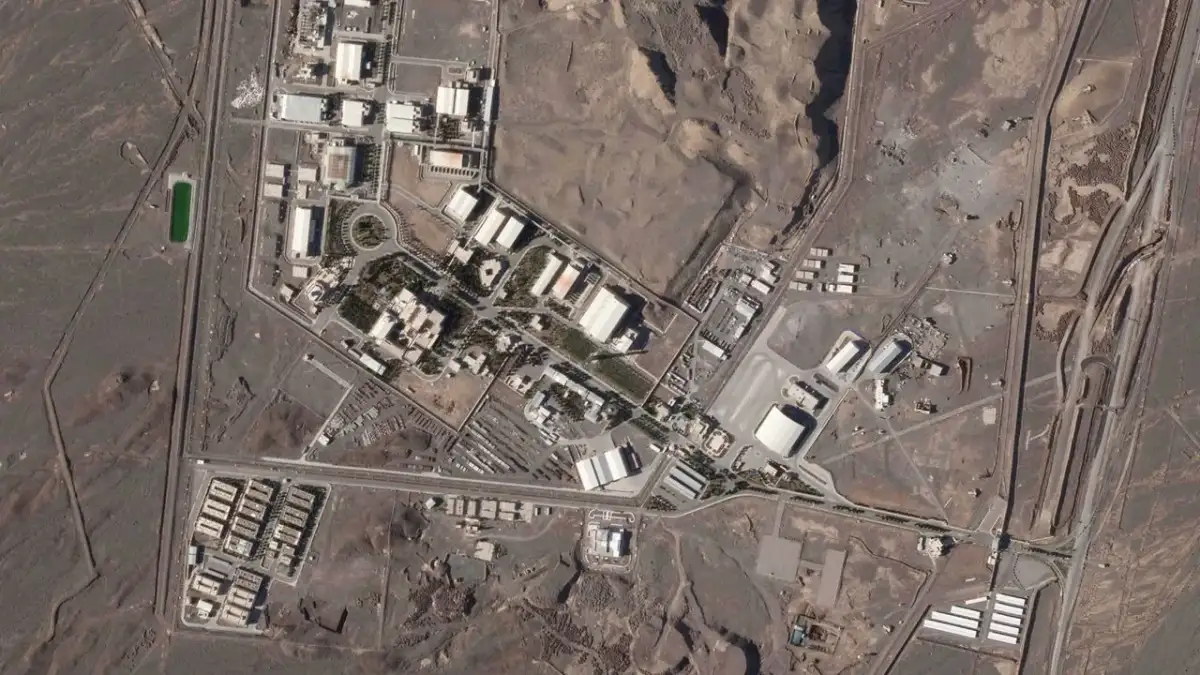
Read More: Iran Zagros Mountain Nuclear Site Construction Update April 2026