

DIPLOMATIC EXTREMISM OR STRATEGIC POSTURING?
Iran's Islamic Revolutionary Guard Corps (IRGC) has declared the Strait of Hormuz a zone where passage is contingent on a stark ultimatum: governments must expel US and Israeli diplomats to secure safe transit for their vessels. This hardline stance arrives amidst persistent regional conflict, with airstrikes continuing daily and no apparent de-escalation in Tehran's demands.
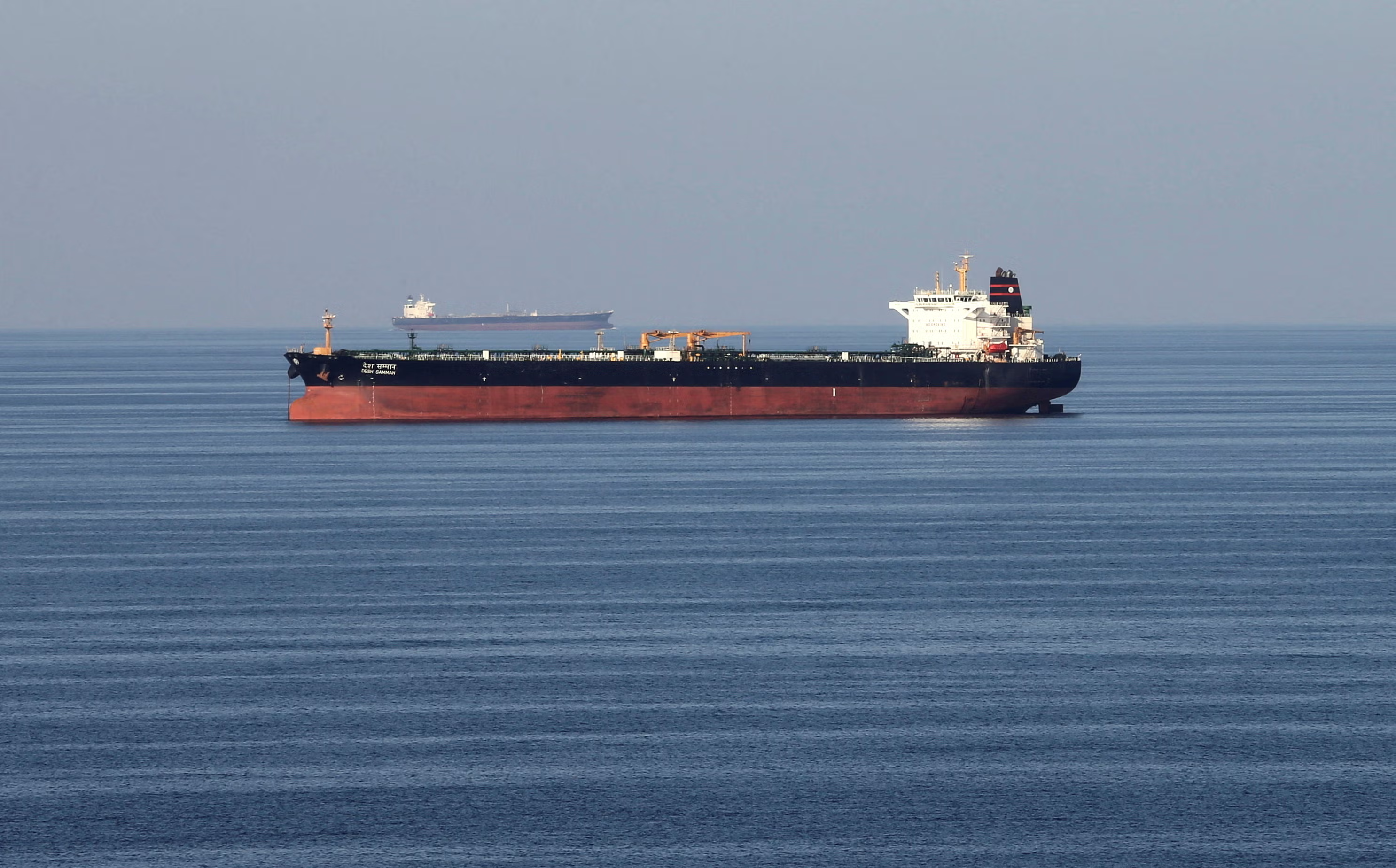
The IRGC's new maritime policy, broadcast on state television, positions nations in a precarious bind, forcing a choice between maintaining diplomatic ties and ensuring their own energy security. This conditional offer has already seen reports of over a dozen oil tankers being targeted after disregarding Iran's warnings, which have effectively declared the Strait a "war zone."
While some sources indicate Iran has selectively opened the Strait exclusively for Chinese vessels, citing gratitude for Beijing's stance, others report broader conditional access for any country willing to sever diplomatic ties with the US and Israel. This divergence in reporting highlights the opaque nature of the unfolding situation.
Read More: Trump says UK not needed for Iran, UK says no to offensive action
STRATEGIC CHOKEPOINT UNDER PRESSURE
The Strait of Hormuz, a critical 21-mile-wide waterway at its narrowest point, handles approximately 20% of global oil supplies, making any disruption profoundly impactful, particularly for Asian markets. Reports suggest Iranian forces claim "complete control" of the Strait, warning that unauthorized crossings will be met with military action.
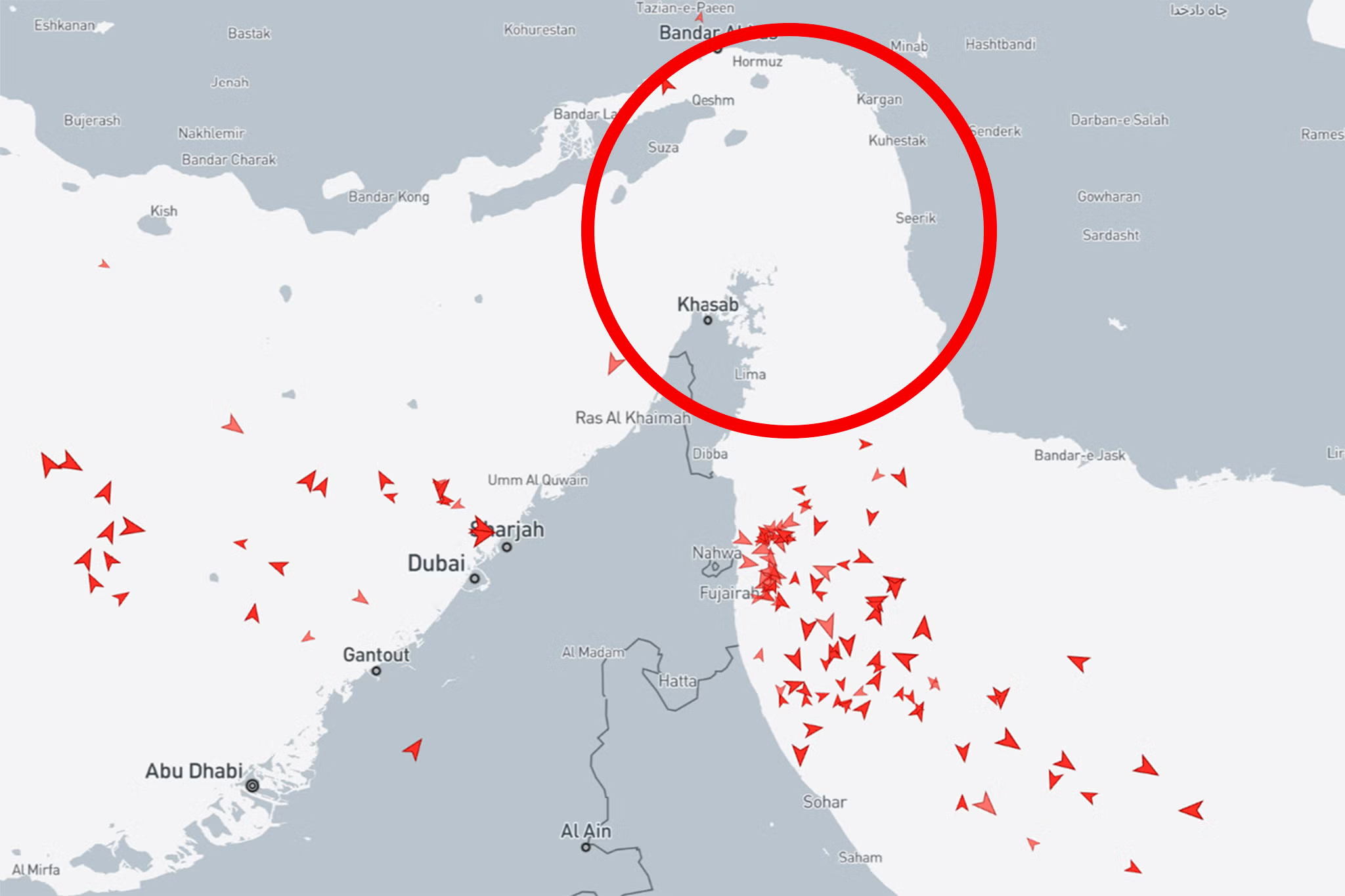
This situation directly challenges promises made by US President Donald Trump regarding naval escorts for tankers. However, conflicting reports from the US military's Central Command (CENTCOM) have stated the Strait remains open, despite explicit threats from the IRGC to "set those ships ablaze."
REGIONAL CONFLICT AND ITS MARITIME FALLOUT
The intensified conflict in the region has already caused significant disruption to tanker traffic through the Strait, leading to a surge in oil prices. Iran's actions appear to be retaliatory, following alleged US-Israeli attacks, which have included ballistic missile barrages by Iran against Israel and US-based military sites in neighboring Gulf states like Qatar, Kuwait, and the United Arab Emirates.
Read More: Lebanon Displacement Crisis: 700,000 Uprooted by Israeli Attacks
A NEW SUPREME LEADER, OLD POLICIES
The recent appointment of a new supreme leader in Iran has seemingly done little to alter the country's rigid stance toward Western powers. Tehran's unwavering position underscores a persistent geopolitical tension in a vital global transit artery.