Are we being lured into a confusing digital trap, or is the supposed "affordable" iPhone truly just a repackaged disappointment?
The whispers are getting louder, the "leaks" are piling up, and the Apple faithful are abuzz. The iPhone 17e is reportedly on its way. But as we brace ourselves for yet another Apple product launch, a nagging question hangs in the air, echoing sentiments from past releases: Do we actually need this phone? For those who have followed Apple's "budget" offerings, the pattern is becoming painfully clear – a confusing cocktail of cutting-edge tech paired with glaringly outdated components. The question isn't just about whether the iPhone 17e will be an improvement, but whether it represents a genuine step forward for consumers or just another strategic move to muddy the waters of choice, forcing us to pay more for a truly modern Apple experience.
A Confusing Lineage: From SE to "e" - A History of Compromise
Apple's strategy for its more accessible iPhone models has been, to put it mildly, inconsistent. Historically, the iPhone SE line was positioned as a more affordable entry point, often sporting an older design but with a powerful, current-generation chip. This provided a clear value proposition: get Apple's core experience and stellar performance without the premium price tag.
Read More: Chrome mimeHandler API lets extensions handle file types
However, the recent shift to the "e" designation, exemplified by the iPhone 16e, seems to signal a departure from that clear strategy. As reported, the iPhone 16e itself is a peculiar device:
Powerhouse Chip: It boasts a cutting-edge A18 chipset, offering robust performance.
Modern Camera: It features a single, but capable, 48MP camera.
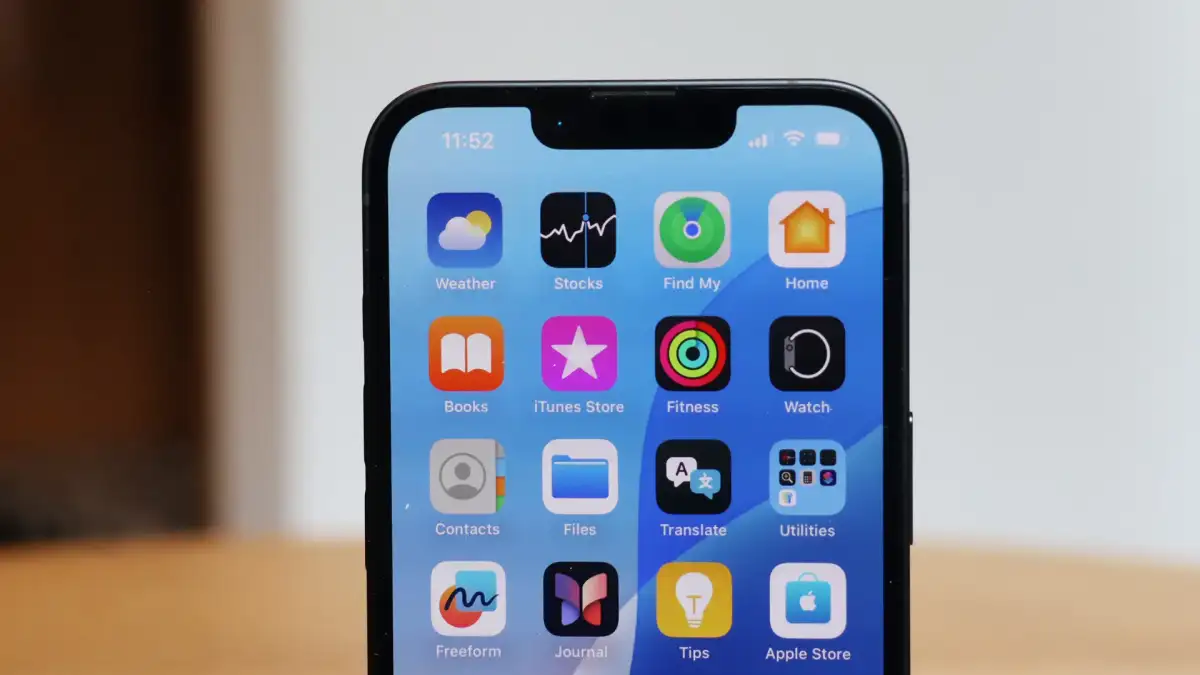
Outdated Display: Yet, it's saddled with the same notched 60Hz display found on older, discontinued models like the iPhone 14.
This peculiar mix has left reviewers and consumers alike questioning the rationale. Is this a deliberate strategy to make the premium iPhones look better by comparison? Or is it a genuine struggle for Apple to balance cost and features in its lower-tier offerings? The iPhone 16e, in particular, has been described as "a bit of a weird phone," lacking the usual pre-launch fanfare, suggesting even Apple's internal excitement might be subdued.
Read More: New iOS Game 'Consume Me' Blends Puzzles and Music
The iPhone 17e: More of the Same, or a Deeper Dive into Differentiation?
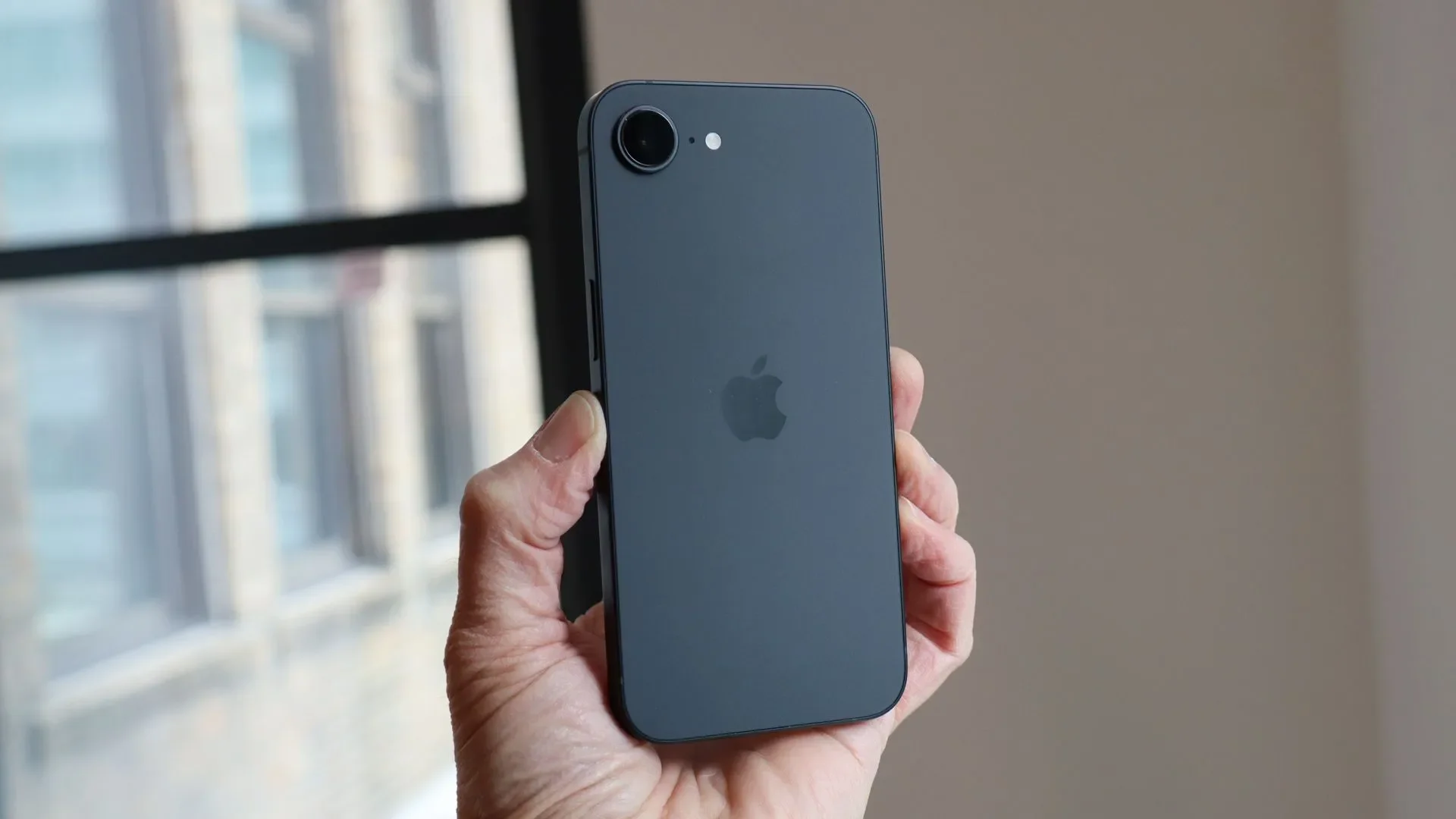
Now, all eyes are on the supposed iPhone 17e. Early reports suggest a continuation, perhaps even an intensification, of the iPhone 16e's perplexing formula. The primary goal, it seems, is to create a wider chasm between the standard iPhone 17 and its "e" counterpart.
"The iPhone 17e will also apparently have the same 48MP single-lens camera as the iPhone 16e. But this is apparently intentional, with Apple said to be wanting to create more differentiation between the iPhone 17 and the iPhone 17e than exists between the iPhone 16 and the iPhone 16e." (Article 2)
This intentional differentiation is where the real concern lies for the budget-conscious consumer. While the iPhone 17 is rumored to feature a smoother 120Hz ProMotion display (a feature even appearing on non-Pro devices for the first time with the iPhone 17), the iPhone 17e is reportedly stuck with a 60Hz panel. Furthermore, it's anticipated to house a "downclocked" version of the A19 processor found in the standard iPhone 17.
This raises critical questions:
What is the actual target audience for the iPhone 17e? If it's meant to be an entry point into iOS and Apple Intelligence, how much performance is truly being sacrificed to justify the "e" moniker?
Is Apple actively pushing users towards higher-priced models by making the "affordable" option increasingly unappealing?
Why are features like the Dynamic Island, now a staple on other iPhones, still potentially absent from the iPhone 17e, despite speculation about its inclusion? (Article 5)
The strategy feels less about providing value and more about defining value by what is excluded.
The Illusion of Choice: Why the iPhone 17e Might Be a Hard Sell
The smartphone market is fiercer than ever, yet the iPhone brand retains its dominance. The standard iPhone 17, in particular, is seen as hitting a "sweet spot for price against performance." This makes the existence of a substantially compromised iPhone 17e even more questionable.
Read More: BEREC Asks for Mobile Network API Ideas from Developers
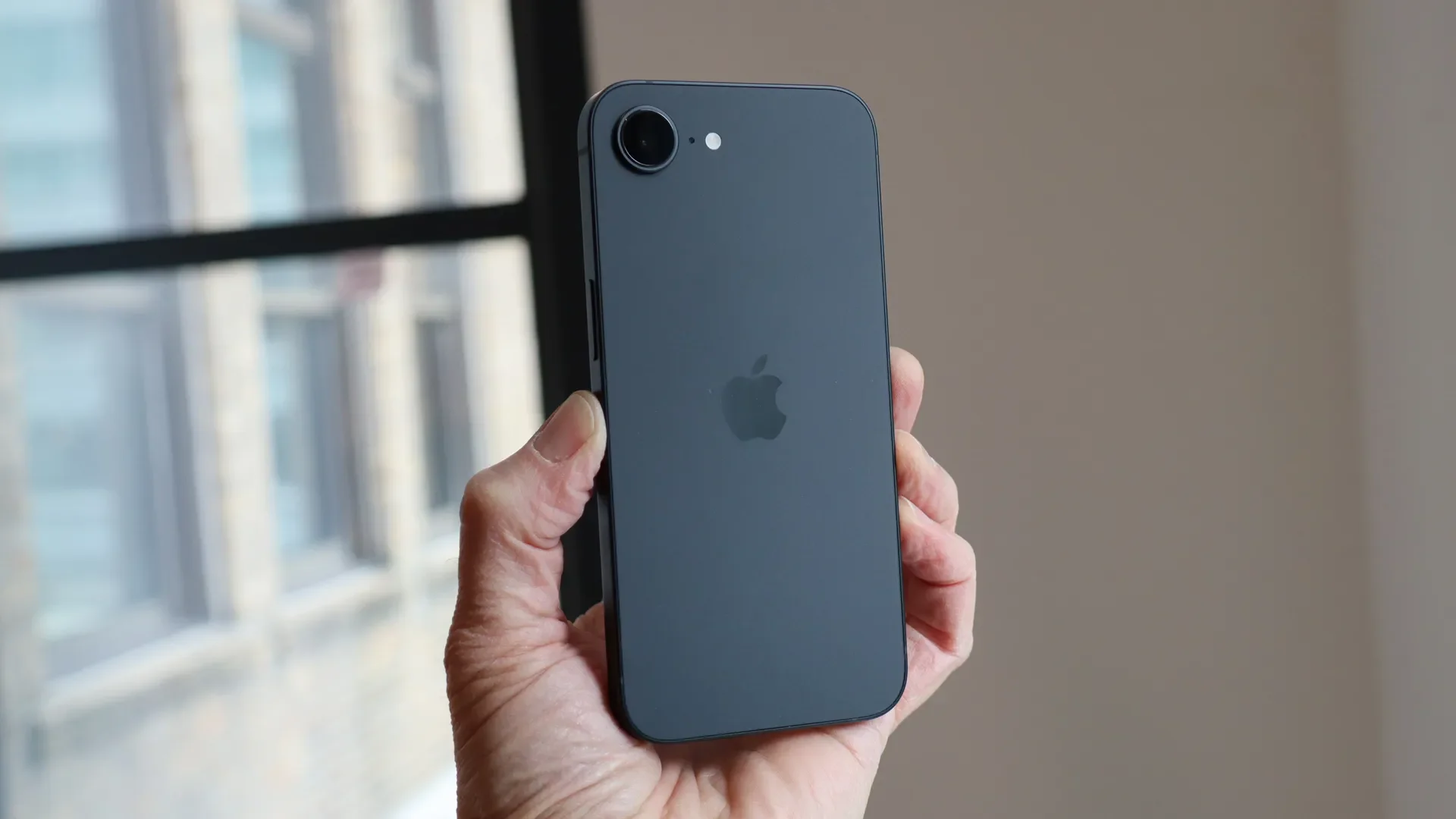
"According to Apple watcher Mark Gurman, writing in his Power On newsletter for Bloomberg (via Phone Arena), the iPhone 17e won’t come close to matching the base model iPhone 17." (Article 2)
This stark comparison begs the question: for a consumer considering a new iPhone, why opt for a device that "won’t come close" to the standard model, especially if the price difference isn't substantial enough to justify the compromises?
The iPhone 17e is expected to retain a 6.1-inch screen size, a point of differentiation from the larger 6.3-inch iPhone 17 (Article 5). While some might appreciate the smaller form factor, it doesn't negate the core issue of lagging display technology.
Is the promise of Apple Intelligence truly achievable on a device with such compromised hardware? The very feature that might draw new users could be hobbled by the phone's limitations.
Will the single 48MP camera, even if the same hardware as the 16e, benefit from software enhancements, or will it remain a basic offering?
How much will the "downclocked" A19 processor truly impact day-to-day performance and future-proofing?
The danger is that the iPhone 17e becomes a trap – a seemingly affordable option that quickly reveals its limitations, leaving users regretting not saving for or opting for the slightly more expensive, but significantly more capable, standard iPhone 17.
A History of Anticipation and Uncertainty: The "e" Model's Ambiguous Arrival
The release cycle of Apple's budget-friendly iPhones has historically been unpredictable. Before the "e" moniker, the iPhone SE line's updates were sporadic, leaving consumers waiting indefinitely.

"Back when Apple's midrange phones were known as the iPhone SE, you never knew when a new model would be out — just that you'd have to wait." (Article 6)
This unpredictability might be changing. Hints are emerging that the iPhone 17e could arrive sooner than expected, possibly alongside other models in Apple's broader lineup. One report suggests a potential release within weeks (Article 3).
However, the rush to release doesn't automatically equate to a worthwhile product. The question of when it will arrive is secondary to what it will offer.
What specific "major hint" is driving the speculation about an imminent release? (Article 3) Is it a genuine leak, or wishful thinking fueled by past patterns?
Could this release be an attempt to clear inventory of older components, rather than a product developed with genuine user needs in mind?
The Apple community often grapples with how to secure a new iPhone at launch. The scramble for pre-orders and the disappointment of missing out are familiar themes (Article 4). But with a device like the iPhone 17e, the concern shifts from getting the phone to whether you should even bother.
Read More: Confidential Computing Security Flaw Found on 4 April 2026
Expert Scrutiny: The Growing Doubts
Industry analysts and tech reviewers are increasingly vocal about their skepticism. The strategy of creating a diluted "budget" model is not universally applauded.

"I'm not convinced Apple's cheapest handset needs an update yet… I'm not convinced it'll be worth buying." (Article 1)
This sentiment from TechRadar highlights a core issue: the lack of a compelling reason for an update, both from a market need perspective and a consumer value perspective.
"This is not an Apple product necessarily known for its innovations." (Article 5)
Referring to the iPhone 16e and its predecessors, this statement underscores a historical trend that the iPhone 17e seems poised to continue. It raises the question of whether the "e" series is simply a brand extension designed to capture a segment of the market without offering true innovation or compelling value.
Are these "budget" iPhones truly serving their purpose as gateways to the Apple ecosystem, or are they just stopgaps that highlight the cost of entry into Apple's truly modern offerings?
Will the inclusion of Apple Intelligence, a major new feature, be sufficient to overcome the hardware limitations, or will it be a watered-down experience that disappoints users?
Conclusion: A Strategic Conundrum or Consumer Complacency?
The impending arrival of the iPhone 17e presents a familiar crossroads for consumers. On one hand, it's an Apple product, promising the ecosystem, software support, and brand cachet that millions desire. On the other, the recurring pattern of dated components shoehorned alongside cutting-edge chips in its "budget" models raises serious red flags.
Read More: Apple iOS 27 Camera App Changes and RCS Encryption for All
The intentional differentiation strategy, designed to make the standard iPhone 17 shine brighter, risks creating a device that offers a substandard experience. It begs the question of whether Apple is genuinely trying to serve a budget-conscious market or is subtly, yet persistently, nudging users towards more expensive options by making the cheaper alternative demonstrably less desirable.
Are consumers being offered a genuine choice, or are they being presented with a carefully curated illusion of one?
What will be the ultimate price point of the iPhone 17e, and how will that compare to the iPhone 17? Will the perceived savings justify the compromises in display, processor speed, and potentially other features?
Will Apple address the core criticism of the iPhone 16e – its confusing blend of old and new – or is this simply the new blueprint for its accessible iPhone line?
As the rumors solidify and an official announcement looms, the burden of proof will be on Apple to demonstrate that the iPhone 17e is more than just a placeholder, more than a compromise, and more than a strategic maneuver to upsell. Until then, skepticism remains the most rational response for any discerning buyer looking for genuine value in the world of iPhones.
Sources:
Article 1: https://www.techradar.com/phones/iphone/the-iphone-17e-could-arrive-soon-but-im-not-convinced-its-be-worth-buying
Article 2: https://www.techradar.com/phones/iphone/the-iphone-17e-might-not-be-worth-waiting-for-heres-why
Article 3: https://www.uniladtech.com/apple/iphone/reason-why-people-think-iphone-17e-is-dropping-627719-20260109
Article 5: https://www.tomsguide.com/phones/iphones/iphone-17e-expected-upgrades-heres-why-this-new-iphone-will-be-a-bigger-deal-than-you-think
Article 6: https://www.tomsguide.com/phones/iphones/forget-the-iphone-17-heres-what-to-expect-from-apples-next-phone-releases-and-when-they-could-arrive