


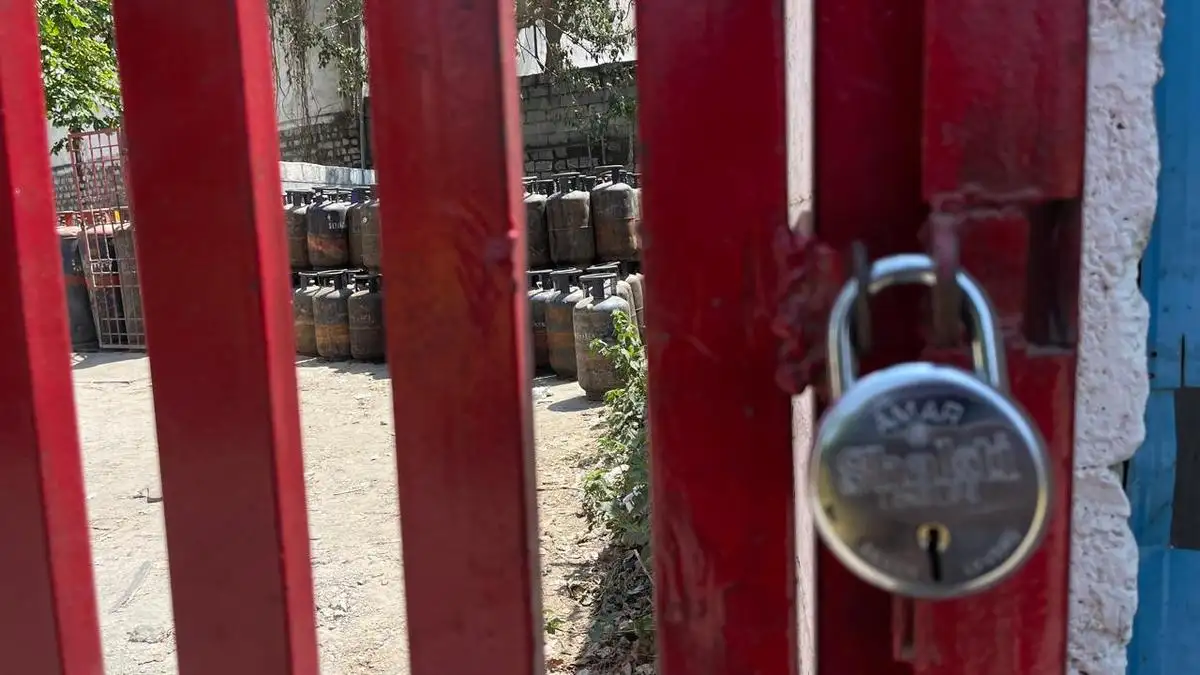
The sputtering supply of commercial Liquefied Petroleum Gas (LPG) cylinders has forced restaurants across India to dramatically compress their offerings, with staples like dosa reportedly disappearing from menus in cities like Shivamogga and Bengaluru. This disruption, linked to global energy supply chain woes exacerbated by the conflict in West Asia, has triggered widespread concern within the hospitality sector, with some establishments facing the specter of closure.

The crisis centers on a crunch in commercial LPG cylinders, the primary fuel for most professional kitchens. Reports indicate a direct link between the ongoing conflict involving Iran, which has disrupted shipping routes through the Strait of Hormuz, and the reduced availability of gas. This has prompted India to reportedly prioritize LPG supply for domestic consumers, further squeezing commercial users.

Hoteliers are navigating a precarious situation, with some reporting being placed on a "need basis" for supplies, struggling to secure enough cylinders to meet daily demands. For establishments requiring multiple cylinders daily, this has translated into difficult choices.
Read More: Washington Post Food Critic Elazar Sontag Ends Anonymity for Restaurant Reviews Starting 2026

Dosa: A Casualty of the Conflict
The preparation of popular dishes like dosa, which relies on gas burners remaining constantly ignited for quality cooking on hot plates, has become particularly challenging. Some restaurants have resorted to serving only dishes requiring minimal gas, effectively sidelining elaborate menus.
Menu Compression and Menu Meltdowns
Restaurants are reportedly "compressing their menus" nationwide.
Some outlets have removed dosa from their daily offerings.
Other establishments are experimenting with alternative cooking methods, such as induction ranges or heating coil stoves, to reduce reliance on LPG.
Industry bodies have voiced alarms, with some suggesting that a significant percentage of restaurants in major cities like Mumbai could be forced to shut down if the shortage persists.
Wider Ripples and Supply Chain Jitters
The impact extends beyond individual eateries.
Reports of panic buying of cylinders by hoteliers in anticipation of further disruptions have emerged, straining existing supply chains.
While establishments connected to piped gas networks have, thus far, remained unaffected, the majority dependent on cylinders face uncertainty.
The crisis has prompted industry associations to petition the Ministry of Petroleum and Natural Gas, seeking urgent clarification and guaranteed supply mandates for commercial LPG distribution.
Background Stirrings
The scarcity appears to be a consequence of geopolitical tensions impacting global energy markets. The disruption of key shipping lanes, particularly the Strait of Hormuz, a vital artery for oil and gas transport, has sent ripples through international supply chains. While some experts suggest domestic production efforts and price adjustments are underway, the immediate reality for India's vibrant restaurant scene is one of diminishing options and escalating anxieties. The narrative surrounding LPG supply has been complicated by discussions on price hikes linked to international market conditions, adding another layer of complexity to the unfolding situation.
Read More: Global Collectibles Market Now Worth $622 Billion, Growing 9.2% Annually