

PRIME MINISTER URGES FOR SERENITY OVER SUPPLY SNARLS
"We have seen how our government always puts the interests of India above everything.” - Prime Minister
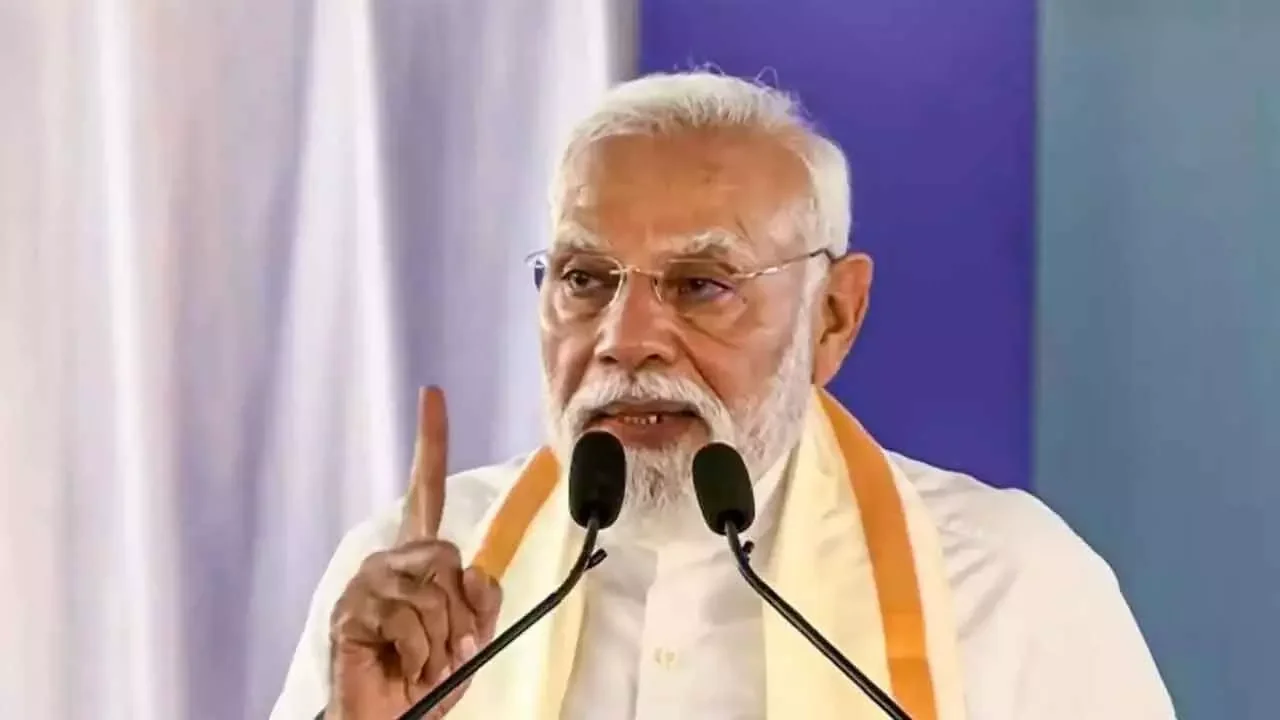
Prime Minister [Name Withheld for now] has publicly asserted the nation's capacity to manage the current energy crisis, attributing the widespread disruptions to the ongoing conflict in West Asia. Addressing party members in Tamil Nadu, the leader dismissed fears, stating, "Don’t press the panic button on the energy crisis." This pronouncement comes amidst reports of an affected energy supply chain globally, impacting various sectors, including the hotel industry due to a short supply of commercial LPG. The Prime Minister drew parallels to the nation's ability to overcome past challenges, notably the COVID-19 pandemic, as a testament to its resilience.
The government's stance emphasizes a projected successful navigation of the energy crisis, a situation directly linked to the West Asia conflict and its impact on global crude oil prices and fuel availability.
Read More: Home Ministry Tells States to Protect Cooking Gas Supply

GLOBAL SHIFT AND LOCAL CONCERNS
The ramifications of the West Asia conflict extend beyond immediate hostilities, as Asia grapples with an energy crisis with no clear resolution in sight. Thailand's oil fuel fund is reportedly incurring substantial daily expenses to maintain artificially low fuel prices for consumers. In the United States, Donald Trump has been actively attempting to reassure the global community about containing the economic fallout from the conflict with Iran. Meanwhile, some regional oil producers are reportedly scaling back output, facing difficulties in shipping their product. Notably, China, possessing the world's largest onshore crude reserves, is said to have received significant oil shipments from Iran since the conflict commenced. Concerns over fuel shortages have also surfaced among tanker drivers.
INDUSTRY ANXIETY
Industrialists from key areas within the nation, including Hisar, Bahadurgarh, and Karnal, have reportedly appealed to both state and federal governments for intervention to address the issue of fuel unavailability. These pleas underscore the tangible effects of the supply chain disruptions on domestic economic activities.
Read More: India Launches ₹89,000 Crore Infrastructure Projects in March 2024
BACKGROUND CONTEXT
The conflict, involving the United States, Israel, and Iran, has demonstrably broadened its reach, impacting individuals far beyond the immediate geographical theatre. Rising crude oil prices are a direct consequence, adding a layer of economic strain to the geopolitical tensions. This situation creates a complex web of challenges, requiring careful navigation by national leadership and industries alike.