Heightened Oversight and Funding Debates Frame Congressional Hearing
A significant congressional hearing convened, bringing the leaders of three key immigration agencies before the House Committee on Homeland Security. This session, occurring just ahead of a critical funding deadline for the Department of Homeland Security (DHS), signals a period of intense scrutiny. The testimony comes after a series of events, including federal enforcement actions and tragic incidents, which have amplified calls for greater oversight of the department's operations. Lawmakers are seeking answers regarding immigration enforcement strategies, particularly their implementation within American cities and the coordination between federal and local authorities.

Context: A Week of Immigration Focus and Fiscal Uncertainty
The convergence of several factors has brought the heads of U.S. Immigration and Customs Enforcement (ICE), U.S. Customs and Border Protection (CBP), and U.S. Citizenship and Immigration Services (USCIS) to Capitol Hill.

Agency Heads: The officials testifying include Todd Lyons, acting director of ICE; Rodney Scott, commissioner of CBP; and Joseph Edlow, director of USCIS. All three agencies operate under the umbrella of DHS.
Legislative Timeline: The hearing was scheduled against the backdrop of a looming Friday deadline for DHS funding. This fiscal pressure adds urgency to the discussions, as lawmakers debate potential reforms and funding packages.
Catalyzing Events: The committee's request for testimony, initially made in January, was partly spurred by the death of Alex Pretti. His case has become a focal point for discussions about federal immigration enforcement and its local impact. This incident, coupled with broader concerns about immigration enforcement actions, has shaped the agenda for the hearing.
Evidence of Congressional Inquiry
Multiple sources confirm the scheduling and focus of the hearing:
Read More: Texas Immigrant Family Freed From ICE Custody After Lawmaker Visits
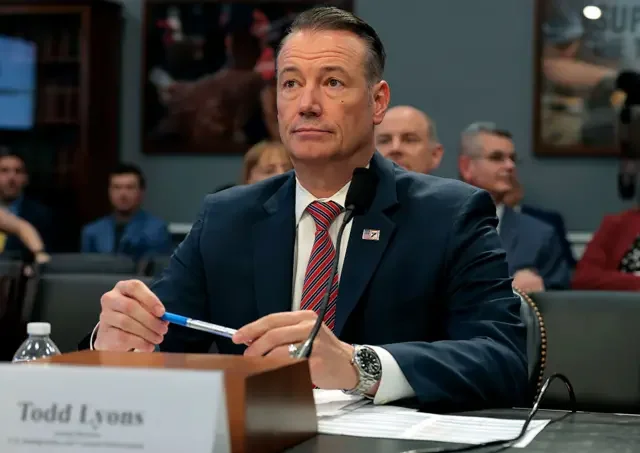
Official Schedule: House Homeland Security Chairman Andrew Garbarino (R-N.Y.) formally scheduled the Feb. 10 hearing. He, along with top Democrat Bennie Thompson (D-Mississippi), is expected to lead the questioning.
Agency Presence: Reports confirm the attendance of Lyons, Scott, and Edlow to provide testimony before the House Committee on Homeland Security.
Broadening Enforcement: The officials are expected to address how their agencies are prosecuting immigration enforcement within American cities, an area where public support for current approaches has reportedly declined. A spending bill passed in the previous year has apparently enabled expanded immigration enforcement activities.
Focus on Enforcement and Local Impact
The testimony is expected to delve into the practical application of immigration policies and their consequences at the local level.

Federal-Local Cooperation: Questions will likely center on the extent of cooperation between federal immigration agencies and local law enforcement. The testimony of officials may seek to clarify the nature of these partnerships, especially in light of incidents that have drawn public attention.
Enforcement in Cities: A key aspect of the hearing will be understanding the scope and methods of immigration enforcement operations within U.S. cities. This includes how federal agents operate and whether their actions align with civil liberties concerns, as evidenced by discussions around mask mandates for immigration enforcement officers.
Oversight and Reform: The hearing serves as a platform for lawmakers, particularly those critical of the administration's immigration policies, to demand greater oversight. This demand is tied to the ongoing negotiations over DHS funding, with some lawmakers indicating that reforms are a prerequisite for continued funding.
The Role of USCIS in Enforcement Debates
While ICE and CBP are primarily enforcement agencies, USCIS's role in the context of this hearing warrants specific attention.
Agency Mandates: USCIS's mandate is distinct from ICE and CBP, as it is not an enforcement agency in the same vein. Its responsibilities are more centered on processing immigration applications and petitions.
Policy and Leadership: However, Joseph Edlow, as the director of USCIS, holds a position of influence over policy development within the agency. His background includes roles such as deputy director for policy and chief counsel at USCIS, and a former deputy assistant attorney general at the Department of Justice, suggesting a focus on legal and policy frameworks that could impact enforcement outcomes.
Previous Actions: Lyons' history as executive associate director of ICE's Enforcement and Removal Operations directorate, where he led efforts to arrest and remove undocumented immigrants, highlights the direct enforcement background of at least one of the testifying officials.
Expert Analysis and Political Currents
The hearing occurs at a critical juncture, influenced by both political dynamics and public sentiment.
Funding Deadlines and Negotiations: The approaching DHS funding deadline creates a tangible pressure point for the administration and Congress. Reports indicate that Republicans have presented proposals for a path forward, suggesting ongoing negotiations with Democrats and the White House to find common ground.
Public Opinion and Political Stance: Public support for the administration's immigration vision has reportedly seen a decline. This backdrop likely informs the tenor of the congressional questioning, with figures like Rep. Bennie Thompson expressing a strong critical stance and linking DHS funding to significant reforms.
Impact of Incidents: The death of Alex Pretti has served as a significant catalyst, bringing increased focus to the operational aspects of immigration enforcement and prompting a reassessment of leadership and procedures within agencies like Border Patrol.
Conclusion: A Deliberative Moment for Immigration Policy
The testimony of top immigration officials before the House Committee on Homeland Security represents a crucial moment for both legislative oversight and policy discussion. The confluence of a funding deadline, recent enforcement actions, and tragic incidents has intensified the demand for clarity and accountability. Lawmakers are poised to question the operational strategies of ICE, CBP, and USCIS, seeking to understand the practical implications of their work within communities. The outcomes of this hearing could shape the ongoing debates surrounding DHS funding and potentially influence future immigration enforcement policies.
Read More: Kansas Cancels 1,700 Transgender Driver's Licenses After New Law
Sources:
CBS News: "Watch Live: ICE chief, immigration officials testify at House hearing" (Published: 4 hours ago). https://www.cbsnews.com/live-updates/ice-hearing-cbp-uscis-congress-immigration/
Context: Provides live coverage and background on the hearing, including the agencies involved and the immediate context of recent enforcement actions.
NPR: "Immigration officials to testify before House as DHS funding deadline approaches" (Published: 5 hours ago). https://www.npr.org/2026/02/10/g-s1-109330/immigration-oversight-dhs-funding
Context: Focuses on the timing of the hearing relative to the DHS funding deadline and broader legislative efforts.
Associated Press: "Trump's immigration chiefs are set to testify in Congress following protester deaths" (Published: 3 hours ago). https://apnews.com/article/immigration-customs-enforcement-border-patrol-trump-congress-1fa0cc0c9297479fcc02b1dc5a706d37
Context: Frames the hearing in the context of the administration's "mass deportation agenda" and the specific incident that preceded the testimony.
USA Today: "ICE, Border Patrol leaders testify before Congress: Live updates" (Published: 1 hour ago). https://www.usatoday.com/live-story/news/nation/2026/02/10/ice-hearing-congress-border-patrol-minneapolis-update/88590621007/
Context: Offers live updates from the hearing and highlights key congressional figures involved in questioning the officials.
BBC News: "Live updates: ICE and Homeland Security officials testify before Congress" (Published: 21 minutes ago). https://www.bbc.com/news/live/cp820yqn6e2t
Context: Provides real-time updates and details on the backgrounds and roles of the testifying officials, including specific past actions.
Bloomberg Government: "Trump Immigration Chiefs to Testify Before House and Senate (2)" (Published: Jan 27, 2026). https://news.bgov.com/bloomberg-government-news/homeland-security-officials-set-for-february-house-testimony
Context: Reports on the initial scheduling of the hearing in February and its relation to calls for oversight following federal shootings.
CBS News: "Heads of ICE, CBP and USCIS set to testify before Congress in February" (Published: Jan 27, 2026). https://www.cbsnews.com/news/ice-cbp-uscis-house-hearing-february-10/
Context: Confirms the date and the officials expected to testify, linking the request for testimony to the Pretti shooting.