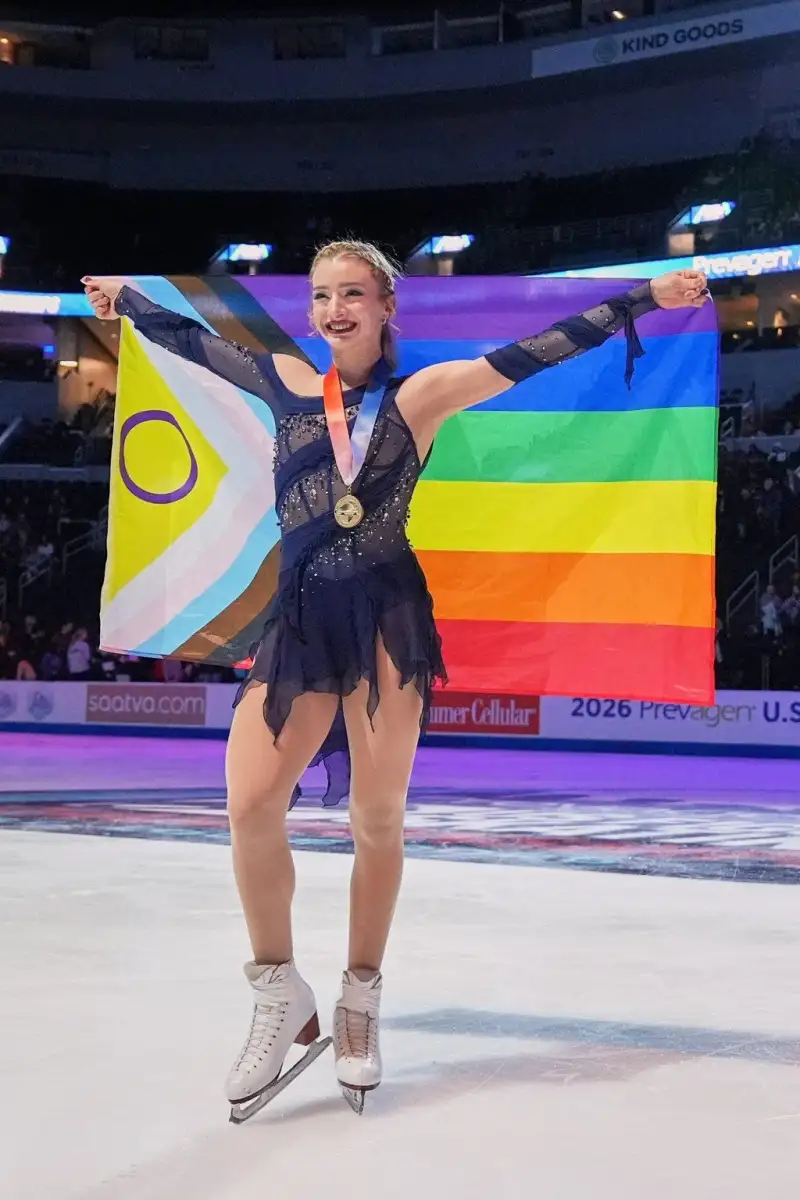
The 2026 Winter Olympics in Milan Cortina have seen a mix of high success and personal struggle for Amber Glenn, the first openly queer woman to represent Team USA in figure skating. While she celebrated a gold medal in the team event, her individual performance in the short program resulted in a 13th-place finish. This drop in score happened shortly after Glenn chose to leave social media. She reported receiving "scary threats" following her public comments about the American political climate and President Donald Trump. The athlete left the ice in tears after her routine, raising questions about the toll that public and political pressure may take on high-level competitors.
Timeline of Events and Personal Background
Amber Glenn, 26, grew up in Plano, Texas, and has been skating since the age of five. Her path to the Milan Cortina games was marked by her decision to be open about her identity as a bisexual and pansexual woman.
Read More: FIFA World Cup 2026 Revenue Reaches $15 Billion With New Ticket Prices
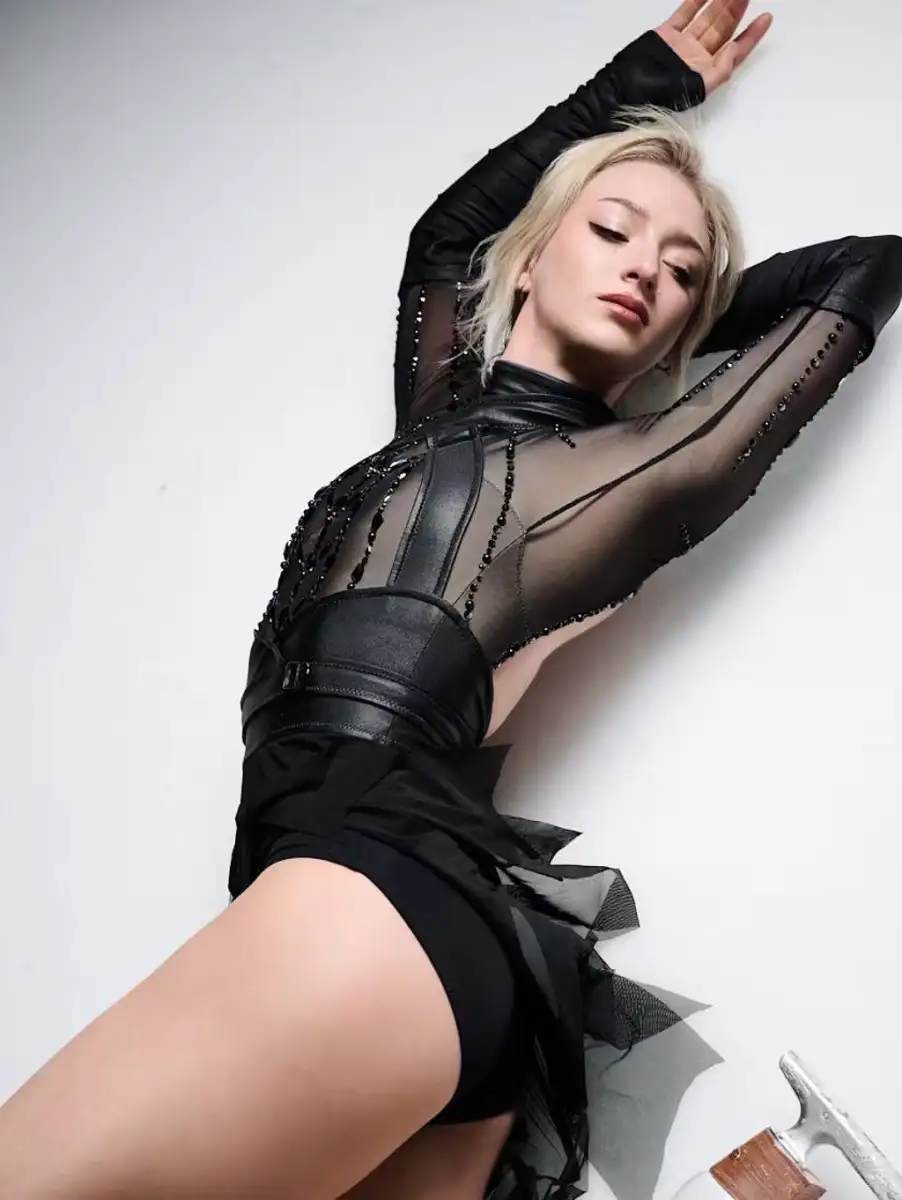
Early February 2026: Glenn helps Team USA secure a gold medal in the team figure skating event.
February 6–7, 2026: During press conferences, Glenn is asked about her views on the political environment in the U.S. She expresses concern for the LGBTQ+ community and mentions the "hard time" many are facing.
February 8, 2026: Glenn announces she is limiting her time on social media. She cites a "scary amount of hate" and direct threats received after her comments were made public.
February 11, 2026: Glenn competes in the women’s individual short program. Following a routine with technical errors, she places 13th and is seen visibly upset while speaking with her coaches.
Evidence of Conflict and Performance Data
Official reports and Glenn's own social media posts provide a clear look at the events leading up to her emotional exit from the ice.
| Event Type | Detail | Source Note |
|---|---|---|
| Rank | 13th Place in Short Program | Official Olympic Result |
| Statement | Reported "scary amount of hate/threats" | Glenn's Instagram Stories |
| Political Stance | Criticized treatment of LGBTQ+ community | Press Conference Transcript |
| Secondary Issue | Hurdles regarding music copyright permissions | ABC News/Wire Reports |
"When I chose to utilize one of the amazing things about the United States of America (Freedom of speech)… I am now receiving a scary amount of hate/threats for simply using my voice," Glenn shared via social media before her individual event.
The Impact of Public Pressure on Performance
There is a notable gap between Glenn's gold-medal team performance and her 13th-place individual score. While athletes often have "off days," the timing of her social media withdrawal suggests a high level of external stress. Investigators of sports psychology might ask: Did the volume of online threats create a mental weight that interfered with her technical focus on the ice? Glenn has been open in the past about her struggles with mental health and the difficulty of handling public criticism, making the current environment a significant challenge for her focus.

Political Discourse in the Olympic Arena
The situation has sparked two distinct viewpoints regarding how athletes should use their platforms.
Viewpoint A: Athletes like Glenn and Alpine skier Mikaela Shiffrin argue that they represent the "America we’re trying to represent." They see their platform as a way to speak for communities they feel are being mistreated.
Viewpoint B: Critics online have expressed anger, suggesting that athletes should focus only on sports. This group often views political comments during international games as a distraction or a lack of patriotism, leading to the "backlash" Glenn reported.
The core issue remains the safety of the athlete, as the shift from verbal disagreement to "scary threats" forced Glenn to cut off her primary way of connecting with fans.
Read More: Ben Simmons Olympic Return Rumors for 2026 Games
Technical and Administrative Hurdles
Beyond the political and personal stress, Glenn faced a technical "headache" regarding the music used in her routines. Reports indicate that she faced backlash and administrative hurdles regarding copyright issues. Figure skaters must get specific permissions for the music they use, a process that can be difficult when songs are edited or combined. It remains unclear if these administrative distractions contributed to the lack of "clean" execution in her short program.
Expert Analysis: The Cost of Visibility
Experts in international sports note that being a "first" often carries a heavier burden. As the first openly queer woman in this specific U.S. Olympic role, Glenn's every move is watched by both supporters and detractors.
Mental Health Resilience: Analysts suggest that the "spotlight" on Glenn’s personal life may have made it harder to maintain the "bubble" needed for Olympic competition.
The Freedom of Speech Paradox: While the U.S. values free speech, the immediate and aggressive nature of social media can turn that speech into a safety risk for the speaker.
Summary of Findings
Amber Glenn's experience at the 2026 Winter Olympics highlights the difficult balance between being an elite athlete and a public figure with personal convictions.
Read More: England World Cup Match: Pubs Open Until 5 AM Monday
Safety over Connection: Glenn chose to leave social media to protect her peace of mind after receiving threats, a move that confirms the severity of the online backlash.
Performance Drop: Her 13th-place finish is a significant change from her earlier gold-medal success, though the exact cause—whether technical, mental, or environmental—cannot be proven by a single factor.
Unfinished Business: Glenn is still scheduled for the women's free skate event. This will be the next major test of her ability to move past recent events and focus on her technical skills.
Primary Sources
Daily Mail: Amber Glenn Figure Skating Olympics - Details on the 13th place finish and emotional response.
The Wrap: Amber Glenn Social Media Break - Coverage of the threats and Glenn's statement on freedom of speech.
Sporting News: Is Amber Glenn LGBTQ? - Context on her identity and coming out process.
AOL/People: Amber Glenn Steps Away From Social Media - Detailed account of the press conference and political comments.
ABC News: Amber Glenn Backlash and Copyright - Information on the music licensing issues and the team gold medal.
Britannica: Amber Glenn Biography - Background on career achievements and upcoming events.