The halls of power are echoing with a growing call to unplug our youth, with the House of Lords recently throwing its considerable weight behind a significant push to ban mobile phones in schools and restrict under-16s from social media platforms. While the intention behind these measures is ostensibly the protection and wellbeing of children, a closer, critical look reveals a complex web of policy, parental concerns, and the ever-present influence of tech giants. Is this a necessary step to shield young minds from the digital deluge, or are we creating a parental panic that risks unintended consequences and encroaches on individual freedoms?
The current legislative storm brewing around children's digital lives is a multi-pronged assault on smartphone use and social media. At the forefront is the recent backing by the House of Lords of an amendment to the Children's Wellbeing and Schools Bill. This amendment, which passed with a 178 to 140 vote, supports the idea of a ban on mobile phones in schools throughout the entire day, not just during lessons. This is a significant escalation from the previous, non-legally binding advice from Education Secretary Bridget Phillipson that schools should be "phone-free" during school hours.
Read More: Minister Asks to Stop New Top Job Choice Until Old Files Are Out

Adding to this legislative push, the Lords have also championed a ban on social media access for under-16s across the UK. This move, while drawing praise from some advocacy groups and parliamentarians concerned about the "harms implicit in children using social media," has also sparked debate, with critics warning it could leave young people unprepared for the digital world. The government, while initially hesitant, appears to be softening its stance, spurred by increasing political momentum and mirroring international actions, such as Australia's recent ban on under-16s using major social media platforms.
The Evolving Landscape: From Guidance to Legislation
The journey towards these potential bans has been gradual, marked by shifting public opinion, growing parental anxieties, and strategic political maneuvering. For years, schools have grappled with the ubiquitous presence of smartphones, leading to a patchwork of policies across England.
Read More: Key Speaker Leaves Tech Meeting Because of Data Concerns
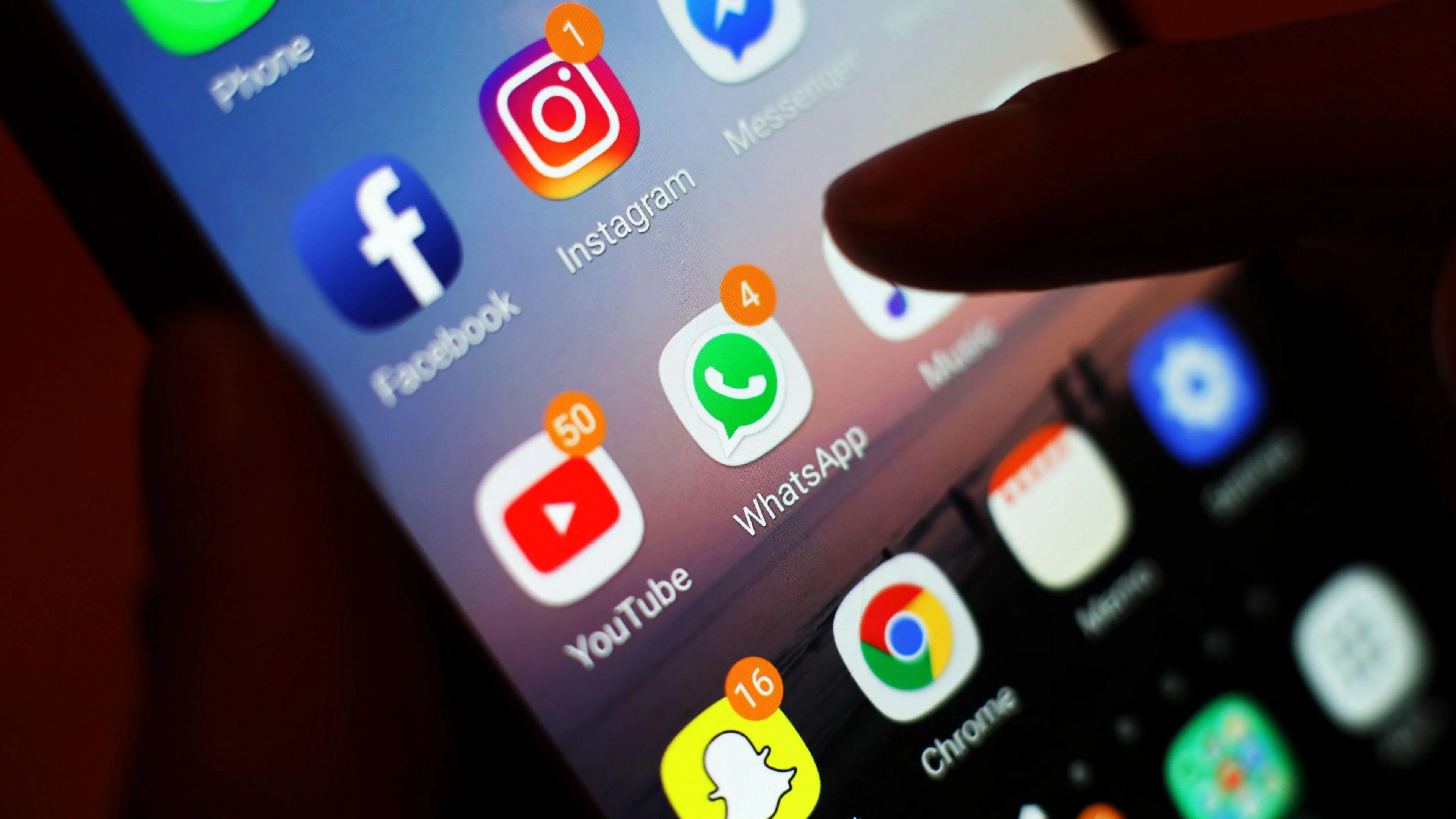
Early Stages: Schools implemented their own rules, often restricting phone use during lessons but allowing them for communication or emergencies outside of class time.
Government Guidance: The Department for Education, under Bridget Phillipson, issued advice encouraging phone-free school days, but this lacked the teeth of law. This guidance extended to teachers being advised not to use their phones in front of pupils, a subtle yet telling acknowledgement of the device's pervasive influence.
Legislative Amendments: The recent amendment to the Children's Wellbeing and Schools Bill by Lord Nash signifies a turning point, transforming a recommendation into a potential legal mandate. The debate in the Lords highlighted deeply held concerns:
Baroness Benjamin, a former presenter and vice-president of Barnardo's, emphasized the urgency: "Now is the time for us to act decisively because each minute we wait more damage is done to our children’s wellbeing."
Conversely, Lord Clement-Jones offered a note of caution: “a blanket ban ‘risks protecting children in a sterile digital environment until their 16th birthday, then suddenly flooding them with harmful content without having developed a digital literacy to cope’."
A Tale of Two Bans: Schools vs. Social Media
It's crucial to differentiate between the proposed school phone ban and the social media restriction for under-16s. While interconnected by a shared concern for children's digital welfare, they target different aspects of the problem.
Read More: Minister and Mayor Disagree with Businessman on Immigration
| Measure | Target | Scope | Legal Status |
|---|---|---|---|
| School Phone Ban | Mobile phones within school premises | Primarily England (education is devolved) | Currently advice, amendment seeks legal force |
| Under-16 Social Media Ban | Social media platform access | UK-wide (as part of a UK government consultation) | Amendment passed by Lords, government to review |
The government's recent consultation on social media concerns is UK-wide, yet its specific guidance on school phones is confined to England due to education being a devolved policy. This distinction is critical: why is the implementation of school policy so localized, while the regulation of digital platforms is being pursued on a national scale?
The Unseen Forces: Parental Dilemmas and Tech's Shadow
Behind the legislative proposals lies a palpable anxiety, amplified by high-profile cases and research into the mental health impacts of social media. The case of Molly Russell, whose father has been a vocal advocate for change, looms large in these discussions. However, the path forward is fraught with practical challenges and diverse parental opinions.
Read More: AI Safety Expert Leaves Anthropic, Says World is in Danger
"The business model of social media firms is ‘sort-of borderline criminal, but certainly very toxic and it is so sophisticated’." - Tory peer Baroness Bertin
This strong condemnation from Baroness Bertin underscores the perception that the tech industry operates with impunity, leaving lawmakers scrambling to catch up. Yet, the "tech lobbyist" argument raised by Baroness Kidron suggests that consultations can be manipulated, leading to inaction.

Parental Pragmatism: For many parents, smartphones are not just leisure devices; they are crucial tools for contact and location tracking. The charity Parentkind highlights this, revealing that parents often provide phones to ensure their child's safety.
If schools implement a total ban, how will parents maintain essential contact with their children during the school day?
Will schools be equipped to handle communication needs previously met by personal phones?
Varied School Policies: The current reality is a "patchwork" of policies. Lostock High School in Manchester, for instance, has students who file out of GCSE English lessons, and when asked about their phones, the implication is they are still present, albeit perhaps put away. This points to the difficulty of complete enforcement.
The Australian Example: A Model or a Mistake?
Ministers are looking to Australia, where a ban came into force in December, as a benchmark. However, simply transplanting a policy without understanding its local context and potential pitfalls is a risky strategy.
Read More: Jim Ratcliffe Criticized for Immigration Comments
What were the specific challenges Australia faced in implementing its ban?
What has been the observed impact on students, parents, and schools in Australia since the ban's introduction?
Were the Australian measures accompanied by robust digital literacy programs or parental support, or was it a purely restrictive approach?
Questioning the Consensus: Are We Solving the Right Problem?
While the Lords' votes signal a strong legislative will, critical questions remain about the efficacy and broader implications of these measures. The notion of a "sterile digital environment" warned of by Lord Clement-Jones is a significant concern.
"A consultation is the playground of the tech lobbyist and inaction is the most powerful tool in politics." - Baroness Kidron
This statement speaks to a deeper frustration with the pace of change and the perceived influence of corporate interests. However, rushing into broad bans might not address the root causes of issues like cyberbullying or mental health challenges.
Read More: Windows Tools Can Help You Work Better
The Digital Divide: If under-16s are barred from social media, how will this impact their social development and their ability to navigate an increasingly digital world post-16?
Enforcement Realities: Banning phones in schools and social media for under-16s presents significant enforcement challenges. Who will monitor compliance, and what penalties will be imposed? Will this create a new enforcement burden on schools and potentially lead to a "cat and mouse" game between students and authorities?
Focus on Restriction vs. Education: The emphasis seems to be on restricting access rather than empowering young people with digital literacy. Are we teaching children how to use technology responsibly, or simply telling them not to use it?
Schools in England should be phone-free throughout the entire day, the education secretary has told headteachers in England, stressing that pupils should not use the devices even as calculators or for research. This rigid stance, disallowing phones even for educational tools, begs the question: what alternative resources will be provided, and will they be as accessible and adaptable as a smartphone?
Underlying Issues: Are phones and social media the primary cause of concern, or are they symptoms of deeper societal issues affecting youth mental health, such as academic pressure, social anxieties, and a lack of offline engagement opportunities?
The Government's Conundrum: Consultation vs. Action
The government's position appears to be one of cautious deliberation, holding its own consultation while facing pressure to act. The urgency articulated by some peers, like Baroness Cass, who stated "If we think children may be in danger, we act first and we ask questions later," highlights a fundamental tension between a consultative, democratic approach and an immediate, protective response.
Read More: Cabinet Secretary Job Delayed Because of Mandelson Papers
Is the government's consultation a genuine effort to gather comprehensive input, or a tactic to delay potentially unpopular but necessary decisions?
How will the government reconcile the diverse views expressed during the consultation, especially when faced with potentially conflicting parental desires and expert opinions?
Conclusion: A Balancing Act on the Digital Frontier
The push for a school phone ban and a social media restriction for under-16s represents a significant moment in how society is grappling with the pervasive influence of digital technology on young lives. The House of Lords' backing has lent substantial political weight to these proposals, moving them from advisory to potentially legislative territory.
However, as a critical investigative journalist, one must question whether these measures, however well-intentioned, are the most effective or equitable solutions. The focus on prohibition risks overshadowing the critical need for digital literacy, parental support, and addressing the underlying societal factors that contribute to youth anxiety and disengagement.
Read More: Global Cyber Pact Faces Problems
The government faces a delicate balancing act: responding to genuine concerns for child welfare without resorting to draconian measures that could stifle development or create unforeseen negative consequences.
The devolved nature of education policy in the UK presents a challenge, as different regions may adopt varying approaches to school phone bans.
Ultimately, the success of any ban will hinge on its implementation, enforcement, and whether it is part of a broader strategy that educates and empowers, rather than merely restricts. The debate is far from over, and the long-term impact on a generation growing up in an increasingly connected world remains to be seen.
Sources:
BBC News: Ban on phones in schools backed by House of Lords - https://www.bbc.com/news/articles/c5y3npyjyl7o
BBC News: Lords back UK social media ban for under-16s - https://www.bbc.co.uk/news/articles/cz0pnekxpn8o
The Guardian: Schools in England should be phone-free all day, education secretary says - https://www.theguardian.com/education/2026/jan/26/education-secretary-mobile-phone-ban-england-schools-ofsted
Sky News: Logging off: Kids' social media ban now feels almost certain - https://news.sky.com/story/logging-off-kids-social-media-ban-now-feels-almost-certain-13497390
Express & Star: Social media ban for under-16s backed by Lords - https://www.expressandstar.com/uk-news/2026/01/21/social-media-ban-for-under-16s-backed-by-lords/
BBC News: Making schools phone-free is 'near impossible'. Do parents even want it? - https://www.bbc.com/news/articles/c3edydz7deyo