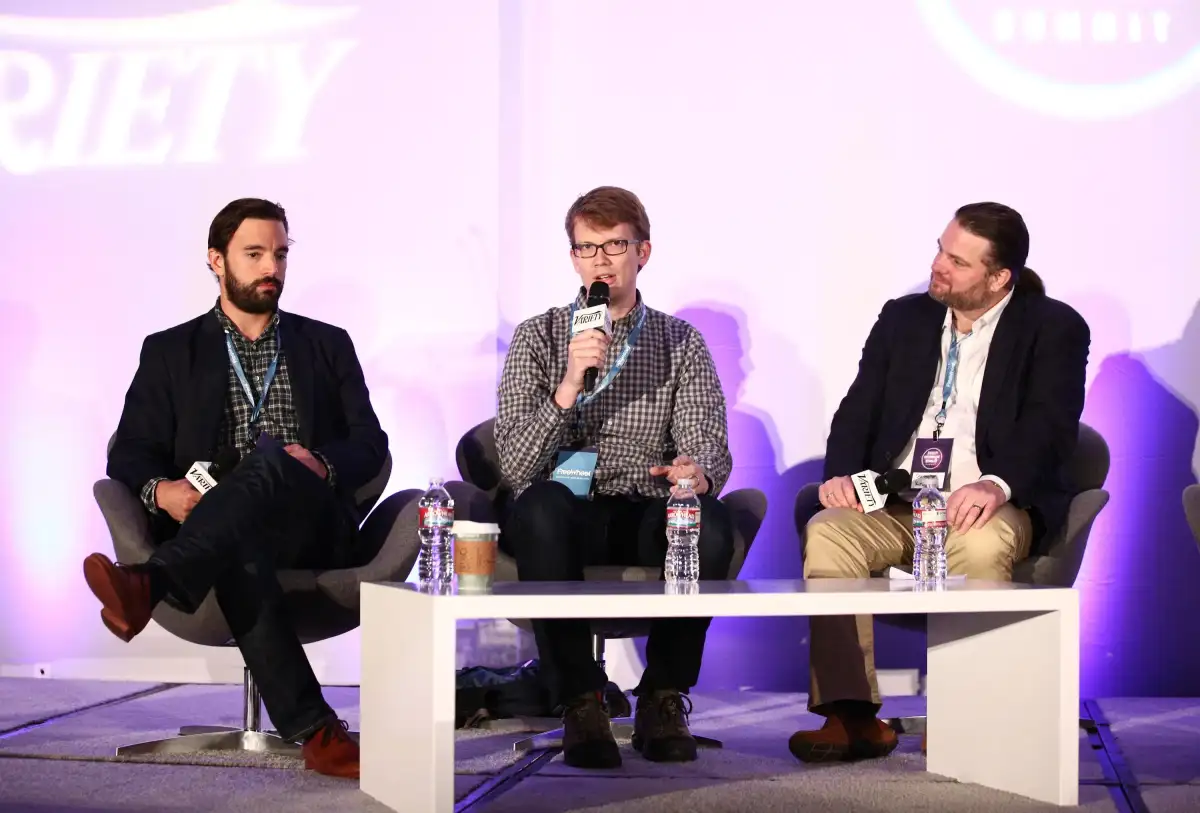
YouTuber Hank Green has opted for a path that prioritizes educational reach over potential financial escalation. His decision to decline greater monetary offers stems from a commitment to broader societal impact rather than maximizing personal wealth. This choice has led him to forgo lucrative opportunities, a move that positions his work as something more than just content creation for a platform.
Green's approach to his online presence, particularly on platforms like YouTube, centers on the dissemination of information. He sees his videos as a means to address informational voids, presenting complex topics in accessible formats. This isn't simply about viewership numbers; it’s about a deliberate act of providing accessible knowledge, especially in an era where discerning reliable information can be a challenge. The implication is a critique of the platform's inherent structures that often reward virality over substance.
Read More: How $3,000 Tax Refund Can Grow to $12,000 in College Savings by 2026
The creator's financial strategies, though seemingly disparate from his educational pursuits, reveal a pragmatic concern for future economic shifts, particularly those driven by artificial intelligence. Green has publicly advised younger generations, specifically Gen Z, to re-evaluate their investment portfolios, cautioning against overreliance on specific tech stocks like Tesla. His personal portfolio adjustments include a pivot towards diversifying beyond heavy U.S. tech exposure, looking into areas such as international index funds and mid-cap stocks, which he posits might benefit from AI-driven productivity gains in smaller companies.
This emphasis on diversification and financial prudence is underscored by expert commentary, which largely supports Green's reasoning. Financial advisors concur that a well-distributed portfolio is crucial, especially amid anxieties about an 'AI bubble'. The advice generally points towards spreading investments across various asset classes, including small-cap and international equities, as well as bonds, to mitigate volatility and ensure steadier returns across different economic climates. The idea is that even if AI reshapes the economic landscape, the most significant beneficiaries may not necessarily be the colossal tech firms at the forefront of model development.
Read More: White Working-Class Boys Education: Report Author Warns Leaders in London
Green's perspective extends to the personal connection he fosters with his audience. He suggests that viewers feel a sense of responsibility towards creators they feel they "know" beyond their content, implying a deeper engagement than passive consumption. This sentiment might explain his commitment to creating content that resonates on a personal level, contributing to a loyal viewership that values his contributions beyond mere entertainment. The underlying principle seems to be that understanding and connection are integral to the educational endeavor.
Background and Context
Hank Green, a prominent figure on YouTube, has built a reputation for creating engaging and informative videos. His work, often aimed at demystifying scientific and societal topics, has garnered millions of views. However, the economic realities of content creation on platforms like YouTube present a recurring challenge: balancing viewership success with financial sustainability. This dilemma is compounded by the evolving digital landscape, including the rise of artificial intelligence, which prompts reflection on the future of content, information, and investment.
Read More: Crypto Prices Drop 15% in May, Investors Wonder If It's Time to Buy More
Green’s discussions about financial planning and investment advice, particularly for younger audiences, highlight a broader societal concern about economic preparedness in an era of rapid technological change. His emphasis on diversification and a critical look at market trends reflects an awareness of potential economic disruptions, moving beyond simple stock tips to a more holistic view of financial security. This positions him not just as a digital educator but also as a commentator on contemporary economic anxieties.