Haiti's national football team, the Grenadiers, has achieved a monumental feat: qualifying for the World Cup for the first time in over 50 years. This historic moment, a beacon of hope for a nation grappling with extreme poverty and rampant gang violence, is shadowed by a bitter irony. While the players etch their names in history on the international stage, the very fans who dream of witnessing this triumph are largely shut out from celebrating it in their homeland. This stark reality raises urgent questions about accessibility, national pride, and the elusive promise of a better future for Haiti.
A Moment of Triumph, A Nation Apart
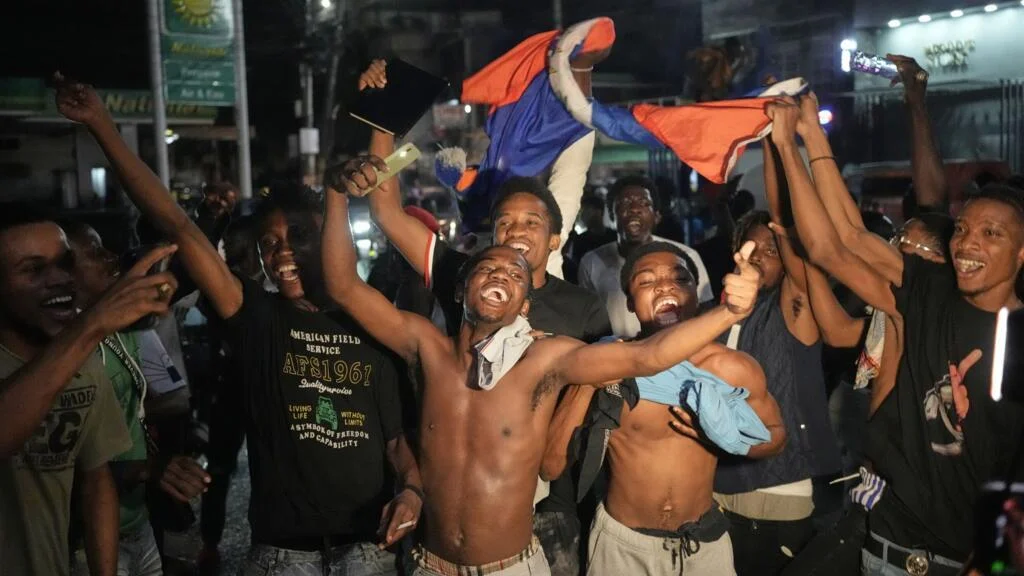
The joy of qualification, secured by a decisive 2-0 victory over Nicaragua in Curacao on November 18, 2025, offered a much-needed respite for the people of Haiti. Amidst the constant threat of gang warfare and political instability, the Grenadiers' success served as a rare unifier. Celebrations erupted across the nation, with citizens singing, waving flags, and setting off fireworks.
Read More: Italian Athletes Do Well at Home in Winter Olympics
"On November 18, 1803, our ancestors fought with rifles and machetes to write Haiti’s name in capital letters. On November 18, 2025, our players are fighting with football boots to bring a smile back to a people who have suffered for far too long." – FHF official statement.
This powerful statement from the Haitian Football Federation (FHF) draws a parallel between the nation's fight for independence and its current sporting achievement, highlighting the deep significance of this World Cup berth. For many, it represents a chance to momentarily escape the harsh realities of daily life and embrace a collective sense of pride.
The Unseen Spectacle: Why Can't Haiti Watch at Home?
Despite the overwhelming national desire to witness this historic World Cup journey, the reality for most Haitian fans is one of exclusion. The national team's recent home games, including crucial qualifiers, were held in Curacao due to the volatile security situation in Haiti. This logistical hurdle means that even as the Grenadiers prepare to face global powerhouses like Brazil, the vast majority of their own people will be unable to cheer them on from their home stadiums.
Read More: Kim Jong Un's Daughter May Be Next Leader of North Korea
Limited Fan Attendance: Reports indicate that even for qualifying matches played in Curacao, attendance was remarkably low, with only around 500 people present for some games. This is a stark contrast to the immense population of over 11 million in Haiti.
Global Broadcasts as Only Option: The only way for most Haitians to follow their team's progress will be through international broadcasts, a far cry from the electric atmosphere of live attendance.
Financial Barriers: Even if games were held locally, the cost of tickets, coupled with the dire economic conditions in Haiti, would likely put attendance out of reach for many.
Is it not a tragic irony that a nation yearning for any glimmer of good news is systematically denied the opportunity to directly witness its own moment of triumph? What message does this send to a population that has endured so much hardship?
A Legacy of Struggle and Resilience
Haiti's journey to the World Cup is not merely a sporting achievement; it is a testament to the nation's enduring resilience in the face of overwhelming challenges. The country, the poorest in the Americas, has been plagued by political instability, natural disasters, and, most recently, a pervasive gang crisis that has crippled essential services and driven widespread fear.
Read More: Lindsey Vonn Hurt in Ski Race Crash

The Shadow of Gangs
The current wave of gang violence has had a profound impact on all aspects of Haitian life, including sports. The inability to host matches on home soil is a direct consequence of this ongoing turmoil. Access to basic necessities is compromised, and the sense of security is virtually non-existent for millions.
"Special Report – Gangs in Haiti: A deeper look. Guns, here’s how they buy it, my friend. He was so excited that he almost left without getting paid." – An anecdotal quote from an article alluding to the widespread availability of firearms and their use in everyday life.
This snippet, though seemingly unrelated to football, underscores the grim reality of the environment in which the national team operates and the very population it represents. How can a nation truly celebrate a sporting milestone when its streets are controlled by armed gangs? What does it mean for national unity when the primary expressions of joy are confined to small gatherings or broadcast screens?
Past Glories and Present Aspirations
While this World Cup appearance marks a return after half a century, Haiti has a history of making its mark on the international football scene. In their previous World Cup outing, striker Emmanuel ‘Manno’ Sannon famously scored against Italy, breaking the legendary goalkeeper Dino Zoff's remarkable streak of not conceding goals.
Read More: People Protest Worldwide Due to Money Problems

Historical Significance: This past success demonstrates that Haiti possesses the talent and spirit to compete on the world stage.
Current Player Determination: Despite the challenges, players remain determined to deliver a World Cup return that they believe could be transformative for Haitian football and the country itself.
Support Networks: Demonstrating the importance of international solidarity, the Haitian U17 boys' team received support from Jamaica, using the island nation as a training base before their World Cup trip to Qatar.
Is it enough for players to carry the hopes of a nation on their shoulders from afar? What concrete steps are being taken to ensure that the legacy of this World Cup appearance translates into tangible improvements for football infrastructure and opportunities within Haiti itself?
The Path Forward: Beyond the Pitch
The World Cup qualification is more than just a sporting event; it's an opportunity. The FHF statement itself links this achievement to national pride and relief, suggesting a deep-seated desire for positive change. The question is: can this momentum be harnessed to address the systemic issues that prevent Haitians from fully participating in their own historical moments?
The Paradox of Celebration
The inability for fans to witness their team play at home creates a unique paradox. The celebration is real, the pride is palpable, but the experience is fragmented and distant for most.
Read More: Spurs Look at Tactics and Player Choices

Economic Disparities: The poorest nation in the Americas faces immense economic challenges that directly impact accessibility to sporting events.
Security as a Prerequisite: Until the security situation improves, hosting major sporting events remains a distant dream, leaving a significant portion of the population disconnected from their national team's biggest moments.
The Role of the Diaspora: The diaspora will likely play a crucial role in amplifying celebrations and providing support, but it doesn't fully replace the direct connection for those living on the island.
When will the day come when the roar of the Haitian crowd can echo through a stadium in Port-au-Prince, celebrating not just a World Cup qualification, but the return of normalcy and security to their nation?
A Call for Action, Not Just Applause
While the World Cup provides a temporary spotlight, it is crucial to look beyond the immediate glory and consider the long-term implications. This moment of national pride should serve as a catalyst for:
Read More: Memorial for Nightclub Fire Victims Burns Down Again
International Support: Increased international aid and diplomatic efforts are vital to address the root causes of Haiti's instability and economic woes.
Investment in Sports Infrastructure: Sustainable investment in local football facilities and development programs is essential to nurture future talent within Haiti.
Prioritizing Security: The overarching need for improved security cannot be overstated. It is the foundation upon which any semblance of national celebration or development can be built.
This World Cup journey is a story of hope, resilience, and immense talent. However, it is also a stark reminder of the systemic issues that prevent millions of Haitians from fully sharing in the joy of their nation's achievements. The world watches Haiti on the football field, but the real test lies in whether this moment can ignite lasting change off it.
Read More: Top Girls' Basketball Teams Stand Out in Southern California
Sources:
Mirror.co.uk: https://www.mirror.co.uk/sport/football/news/world-cup-2026-haiti-nation-36676212
France24.com: https://www.france24.com/en/americas/20251120-gang-wracked-haiti-unites-to-celebrate-first-world-cup-qualification-in-50-years-football
Haitiantimes.com: https://haitiantimes.com/2025/11/26/world-cup-ticket-haiti/
ESPN.com: https://www.espn.com/soccer/story//id/46956814/haiti-road-world-cup-include-stop-home
Onefootball.com: https://onefootball.com/en/news/2026-world-cup-historic-moment-in-haiti-41972427



:max_bytes(150000):strip_icc():focal(612x1166:614x1168)/Switzerland-accident-fire-020826-02-7cbc5d49ad0f413883178cfd825a77de.jpg)