FROM SKIES TO CAPTIVITY
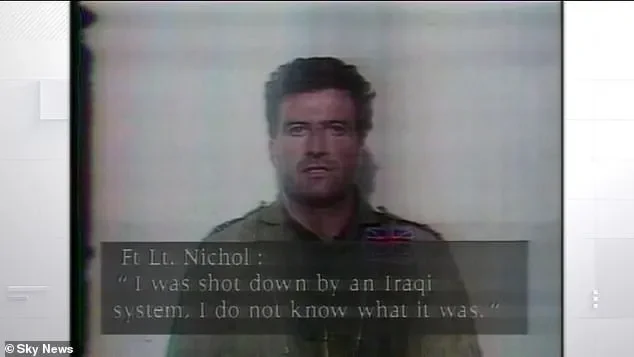
The jarring transition from the controlled power of aerial warfare to the vulnerability of being shot down and captured forms the stark reality of experiences shared by former RAF pilots. John Peters, who ejected from his Tornado jet during the 1991 Gulf War, described the descent as a terrifying plunge from a position of dominance to one of utter helplessness, leaving one "just playing with fate." This sentiment is echoed by John Nichol, who, alongside Peters, endured seven weeks as a prisoner of war, including being tortured and publicly displayed on Iraqi television. The abruptness of this shift, from airborne mastery to grounded capture, underscores the extreme physical and psychological shock involved.

The ordeal of being downed in enemy territory is amplified by the immediate chaos and violence. Accounts detail the unnerving noise of anti-aircraft fire, the impact of bombs, and the jarring physical abuse, such as being smashed against vehicle sides and struck with pistol butts while blindfolded and handcuffed. The initial moments after ejection and landing are characterized by disorientation and a sudden, violent confrontation with the ground war, a far cry from the detached perspective of flying.
Read More: Gallipoli Campaign failure cost 250,000 Allied lives in 1915

THE AFTERMATH: SURVIVAL AND ITS CONSEQUENCES
The technology of ejection seats, capable of blasting pilots out of stricken aircraft at speeds of 200 mph, is credited with saving lives during these extreme events. However, survival does not equate to an end to suffering. Both Peters and Nichol reported enduring severe beatings and torture at the hands of their captors. Images of their mistreatment were subsequently broadcast globally, adding a layer of public humiliation to their physical torment. The psychological scars of such experiences can be profound, with one veteran stating he would "never watch the footage of me being tortured."
The long-term impact of such wartime experiences extends beyond the individual. For families of those lost, the uncertainty of their loved ones' fates, compounded by the inability to conduct proper burials, creates a prolonged period of grief and a lack of closure. Veterans returning from conflict often carry the weight of these experiences, emerging as "different men" forever altered by their wartime encounters.
Read More: Atheist Experiences: Awkward Talks After Sharing Beliefs

RETURNING TO THE SCENE
Decades after the conflict, John Nichol returned to Iraq, not as an enemy combatant, but in a reflective capacity. His visits, documented in 2000 with media outlets, suggest a complex engagement with the place that holds such traumatic memories. Intriguingly, Nichol has also recounted unexpected moments of human connection, including being embraced by Iraqi football players after a match, highlighting a stark contrast to the hostility he experienced during wartime and subsequent capture. This return signifies a process of confronting the past, perhaps seeking a form of resolution or understanding.
HISTORICAL CONTEXT: THE GULF WAR
The events recounted by Peters and Nichol occurred during the 1991 Gulf War, also known as Operation Desert Storm. This military operation was launched with the aim of expelling Iraqi forces from Kuwait, which had been invaded by Saddam Hussein's regime. The war marked a significant engagement for coalition forces, including the Royal Air Force, and involved intense aerial and ground combat. Many, including Nichol, initially believed the conflict might be averted. The war officially began on January 17, 1991, with extensive bombing campaigns.
Read More: 1982 Soviet UFOs Nearly Launched Nuclear Missiles at USA, Claims Emerge