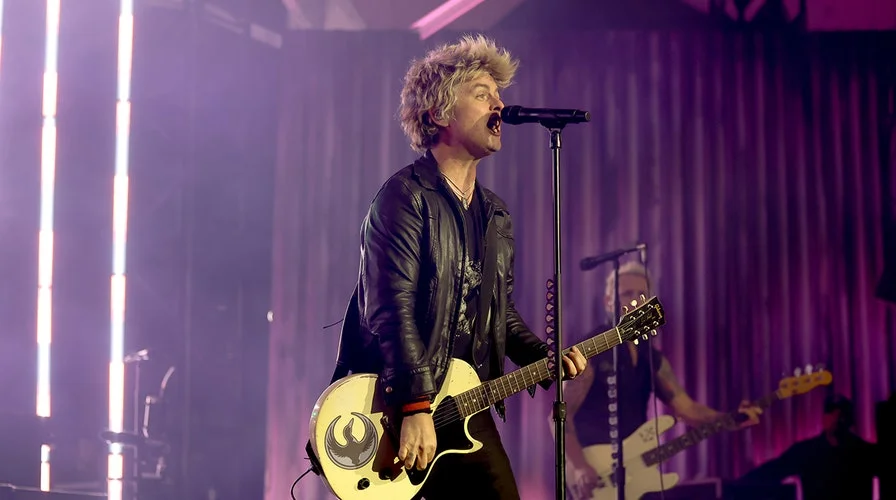
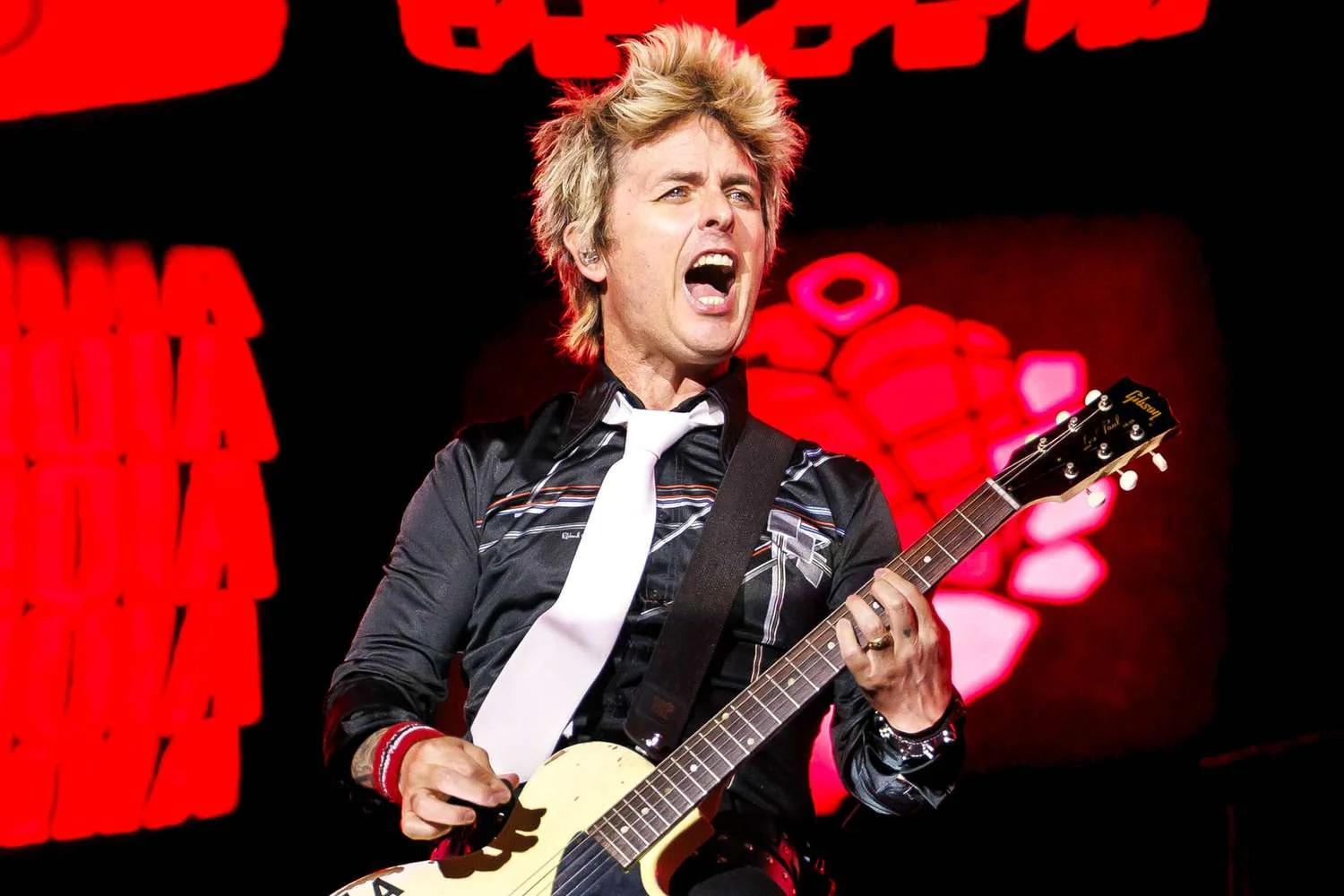
The roar of the crowd at a pre-Super Bowl party in San Francisco wasn't just for the upcoming game; it was amplified by Billie Joe Armstrong, the fiery frontman of Green Day. As the band prepared for their official role in the Super Bowl pre-game festivities, Armstrong took a bold, defiant stand from the stage, directly addressing Immigration and Customs Enforcement (ICE) agents. His message? "Quit that s——y job." This outburst, delivered with characteristic punk rock energy, has sent ripples through the already charged atmosphere surrounding the Super Bowl, forcing a spotlight onto the intersection of sports, entertainment, and deeply held political beliefs. Is this a genuine cry for social justice, a calculated marketing stunt, or a symptom of a larger cultural divide?
The Sound and the Fury: A Punk Rock Reckoning
The setting was a Spotify and FanDuel-sponsored party at Pier 29 in San Francisco, a high-profile event on Friday night, just days before Super Bowl LX. Green Day, a band with a history of anti-establishment anthems, was on hand as a prelude to their official role in the Super Bowl pre-game ceremony, where they are slated to "usher generations of Super Bowl MVPs onto the field." However, Armstrong's performance quickly transcended music.
Read More: Gorillaz Announce New Album 'The Mountain' About Friends and Life
"Quit your shitty ass job."
This was Armstrong's direct salvo, aimed at any ICE agents potentially in attendance, or perhaps those who might be present at the game itself. The sentiment was echoed in subsequent statements, where he projected a future where Trump administration figures would abandon those enforcing their immigration policies.
Key Message: Urging ICE agents to resign.
Context: Delivered at a high-profile pre-Super Bowl concert.
Underlying Theme: A critique of current immigration enforcement.
Armstrong didn't stop there. He also reportedly altered lyrics during his performance of "Holiday," changing "the representative from California has the floor" to "the representative from Epstein Island has the floor." This provocative statement, a clear nod to the disgraced financier Jeffrey Epstein, adds another layer to the political commentary, drawing a parallel between government actions and perceived corruption. Furthermore, he reiterated his long-standing lyrical shift in "American Idiot," singing "I’m not part of the MAGA agenda" instead of "…part of a redneck agenda," leaving little doubt about his political leanings.
A Band with a History of Provocation
This isn't the first time Green Day has used its platform for political expression. The band has a well-documented history of vocalizing their dissent, particularly during times of political upheaval.
Read More: Italian Athletes Do Well at Home in Winter Olympics
Past Incidents:
During the George W. Bush administration, Green Day's album "American Idiot" became an anthem for many disillusioned Americans, criticizing the war in Iraq and the political climate.
Billie Joe Armstrong himself has been a vocal critic of Donald Trump and his policies throughout Trump's political career. His previous public statements and lyrical adjustments are consistent with this ongoing stance.
This history suggests that Armstrong's comments at the Super Bowl party are not an isolated incident, but rather a continuation of a long-held pattern of using his music and public appearances to express his political views. The question, however, is whether this consistent activism aligns with the NFL's brand and the expectations of a diverse audience attending a major sporting event.
The Super Bowl Spectacle: More Than Just a Game?
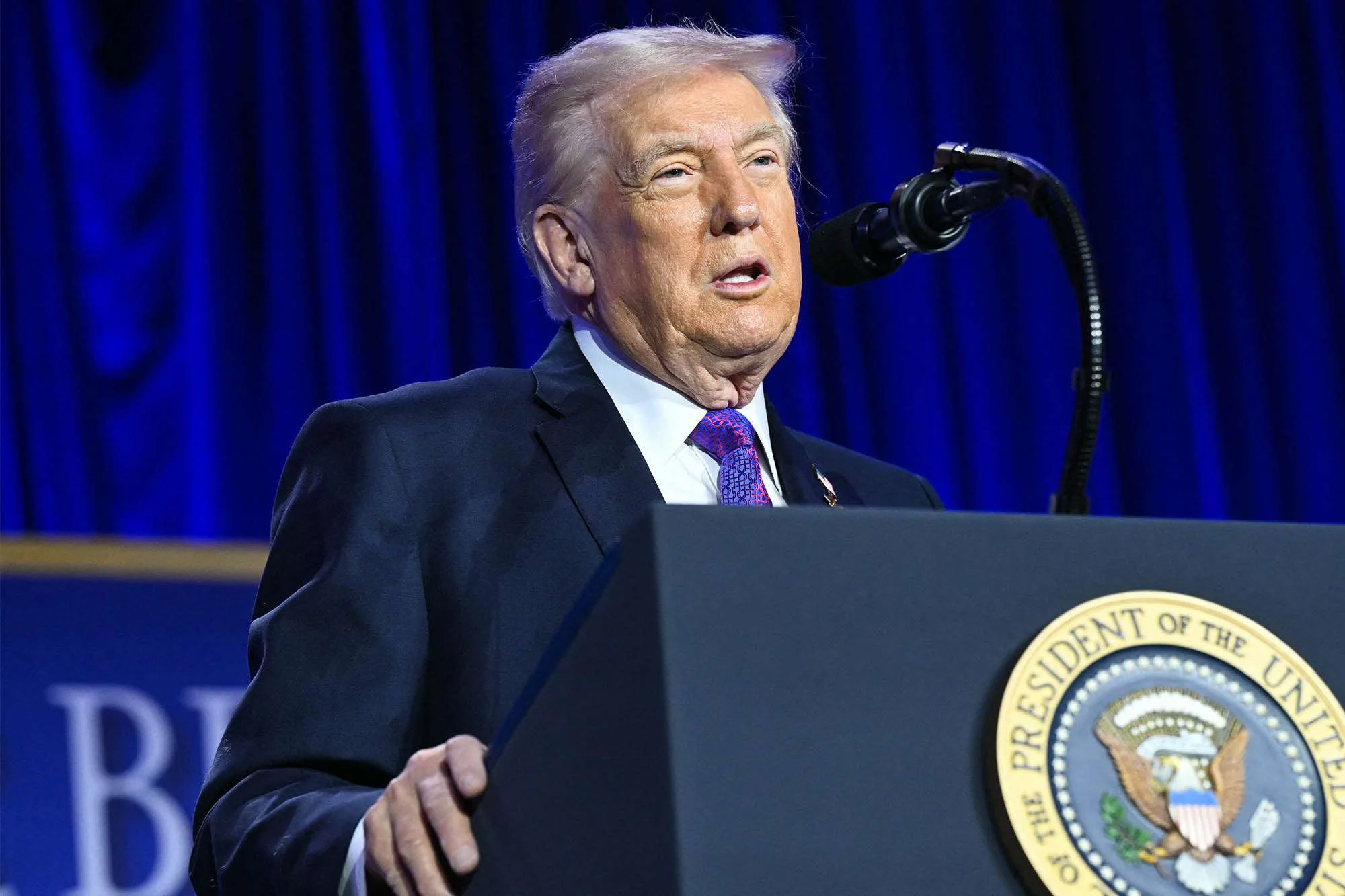
The Super Bowl, with its massive global audience, has increasingly become a stage for cultural and political statements, intentional or otherwise. The NFL's decision to feature Green Day in their pre-game festivities, alongside artists like Bad Bunny, Charlie Puth, Brandi Carlile, and Coco Jones, underscores this reality.
Read More: Andrew Ranken, Drummer for The Pogues, Dies at 72
"The NFL’s chief security officer, Cathy L. [Ansell], said at a press conference on Wednesday that all of them [musical performers] have been magnificent."
This quote from Deadline (Article 7) suggests the NFL is aware of the artistic choices being made and, at least publicly, supports them. However, the choice of Green Day, and Armstrong's subsequent actions, inevitably invite scrutiny.
| Actor | Role at Super Bowl LX | Potential Impact of Performance |
|---|---|---|
| Green Day | Pre-game ceremony performance, ushering MVPs onto the field. | Amplifies political messages to a vast, mainstream audience. |
| Billie Joe Armstrong | Frontman, vocal performer of Green Day. | Directly delivers political statements, sparking debate and controversy. |
| ICE Agents | Allegedly present for security at the event. | Target of direct political criticism from the stage. |
| NFL | Host of the Super Bowl and associated entertainment. | Faces scrutiny over artist selection and potential political backlash. |
| Fans/Audience | Diverse viewership, many with varied political viewpoints. | Exposed to direct political messaging, potentially alienating some. |
Read More: Lindsey Vonn Hurt in Ski Race Crash
The presence of artists with strong political leanings is a calculated risk. While it can resonate with certain segments of the audience and reflect contemporary social discourse, it can also alienate others and detract from the primary focus of the event – the game itself.

Questions That Linger: Beyond the Headlines
Armstrong's outburst begs a series of probing questions that cut to the core of artistic freedom, corporate responsibility, and the nature of political protest in the modern era.
Was Armstrong's intention to genuinely advocate for the well-being of ICE agents by suggesting they leave a job they might find morally compromising, or was it a broader condemnation of the agency's existence and policies? The phrasing "quit that s——y job" is deliberately provocative, and the subsequent references to political figures suggest a more systemic critique.
Did the NFL and its partners (Spotify, FanDuel) anticipate or condκριticize Armstrong's political commentary? Given Green Day's history, it seems unlikely this was entirely unforeseen. If so, what is their stance on such outspoken political statements during their flagship event?
How does the NFL balance the desire to attract diverse and popular artists with the need to maintain a broadly appealing, apolitical image for the Super Bowl? The inclusion of artists like Bad Bunny and Green Day, known for their engagement with social issues, suggests a deliberate shift, but the backlash from certain political factions is a predictable consequence.
What is the responsibility of a major entertainment platform, like the NFL during the Super Bowl, in moderating or endorsing political messages delivered by artists? Are they seen as passive conduits, or active participants in the dissemination of these messages?
Beyond the immediate controversy, what are the long-term implications of integrating overtly political statements into major sporting events? Does it normalize political discourse in previously less overtly politicized spaces, or does it risk alienating significant portions of the audience?
What message does the "Epstein Island" lyric alteration send to the public and to government officials? Is it a valid form of artistic commentary on perceived corruption, or an irresponsible and inflammatory accusation?
The Echoes of Discontent: A Broader Political Climate
The events surrounding Green Day's performance occur against a backdrop of intense political polarization. Immigration, in particular, remains a deeply contentious issue in the United States.
Read More: Britney Spears Sells Rights to Her Music
"The band’s long association with the Bay area, where this year’s game is taking place, as well as the group’s enduring popularity as a stadium-level act after 35 years of releasing music," were cited as reasons for their selection for the Super Bowl (Variety, Article 5).
This rationale highlights the NFL's attempt to connect the event to its host city and leverage the band's legacy. However, it overlooks the potential for that legacy to carry potent political messages.
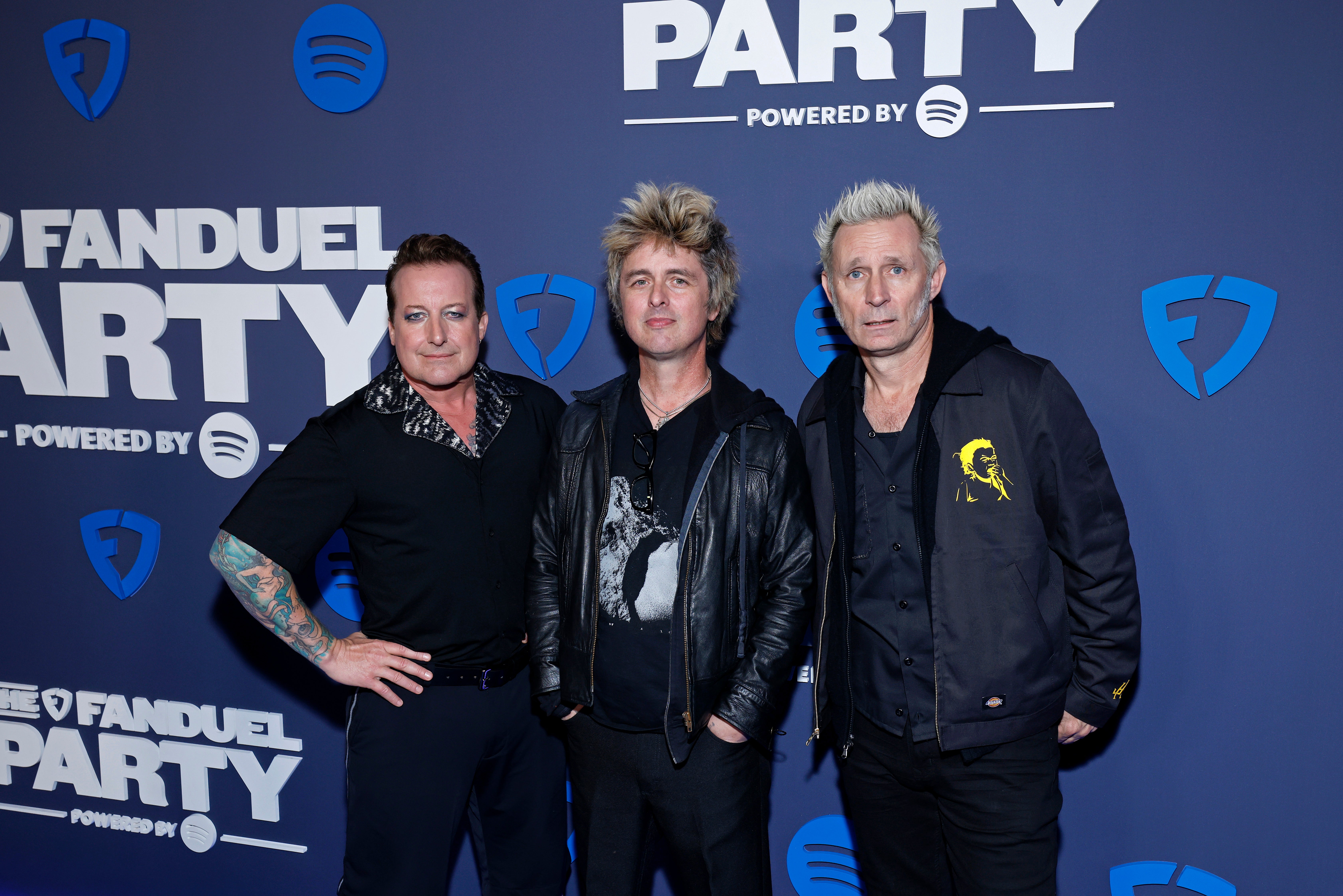
The criticism of ICE is not unique to Green Day. Various advocacy groups have raised concerns about the agency's practices, particularly regarding border enforcement and detentions. Armstrong's comments, while delivered with the raw intensity of a punk rock frontman, tap into a broader national conversation.
The inclusion of figures like Stephen Miller and Krisiti Noem in Armstrong's prediction of abandonment by Trump further solidifies the political nature of his critique, directly linking his message to specific, highly debated policies and individuals within the conservative political landscape.
Conclusion: The Super Bowl as a Political Arena?
Billie Joe Armstrong's declaration at the Super Bowl pre-party has undeniably succeeded in drawing attention. Whether this attention serves Green Day's artistic purpose, the NFL's entertainment goals, or a broader political agenda is debatable.
Read More: Spurs Look at Tactics and Player Choices
Immediate Impact: A surge in media coverage and online discussion, centering on the band's political stance.
Potential for Backlash: Alienation of fans who prefer entertainment to remain separate from politics, or who disagree with Armstrong's views.
Question of Intent: The ambiguity between direct protest and broader ideological condemnation leaves room for interpretation and fuels further debate.
NFL's Position: The league now faces increased pressure to define its boundaries regarding political expression during its events.
The Super Bowl, in its pursuit of maximum cultural impact, has once again found itself at the crossroads of entertainment and politics. The reverberations of Armstrong's "shitty job" remark will likely be felt long after the final whistle, prompting us to consider what role major cultural events should play in the ongoing, often fractious, national dialogue. Is the Super Bowl an apolitical spectacle, or an increasingly unavoidable political arena? The answer, it seems, is still being written, note by defiant note.
Sources:
Fox News: https://www.foxnews.com/sports/green-day-frontman-tells-ice-agents-quit-s-y-job-super-bowl-party-performance
Entertainment Weekly: https://ew.com/green-day-urges-ice-agents-to-quit-jobs-super-bowl-pre-party-11902049
Syracuse.com: https://www.syracuse.com/entertainment/2026/02/pop-punk-frontman-has-brutal-message-for-ice-agents-at-pre-super-bowl-concert.html
Rolling Stone: https://www.rollingstone.com/music/music-news/billie-joe-armstrong-ice-agents-green-day-pre-super-bowl-gig-1235512802/
Variety: https://variety.com/2026/music/news/green-day-ice-agents-quit-super-bowl-billie-joe-armstrong-1236655704/
NME: https://www.nme.com/news/music/green-days-billie-joe-armstrong-tells-ice-agents-to-quit-their-shitty-ass-job-ahead-of-super-bowl-opening-ceremony-3928074
Deadline: https://deadline.com/2026/02/green-day-billie-joe-armstrong-tells-ice-quit-your-job-1236712045/
Consequence: https://consequence.net/2026/02/green-day-super-bowl-pre-party-anti-ice-epstein/
The Independent: https://www.independent.co.uk/arts-entertainment/green-day-super-bowl-ice-trump-b2915984.html
Read More: Courtney Love's Post Comes Out as New Claims About Kurt Cobain's Death Are Made