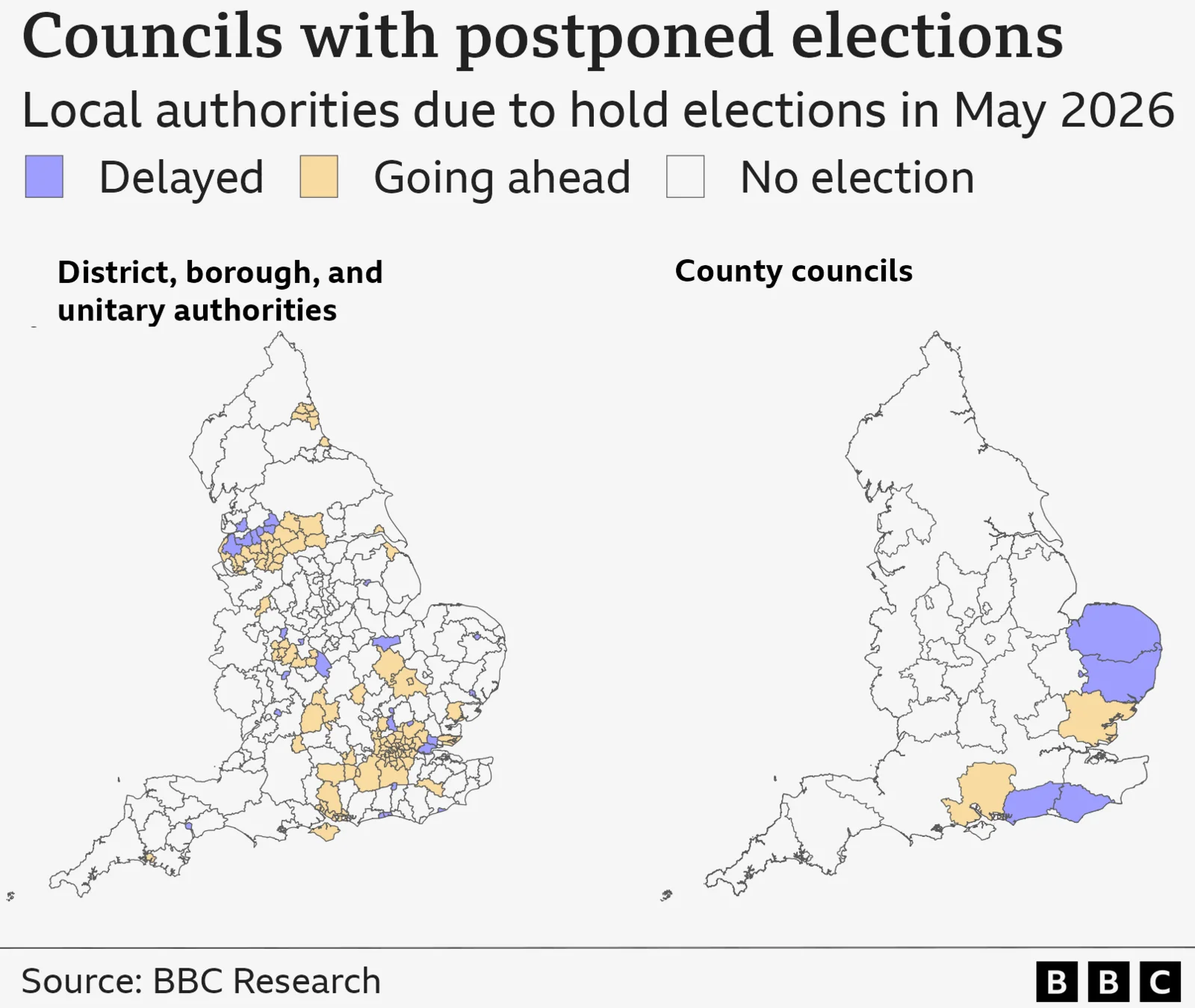
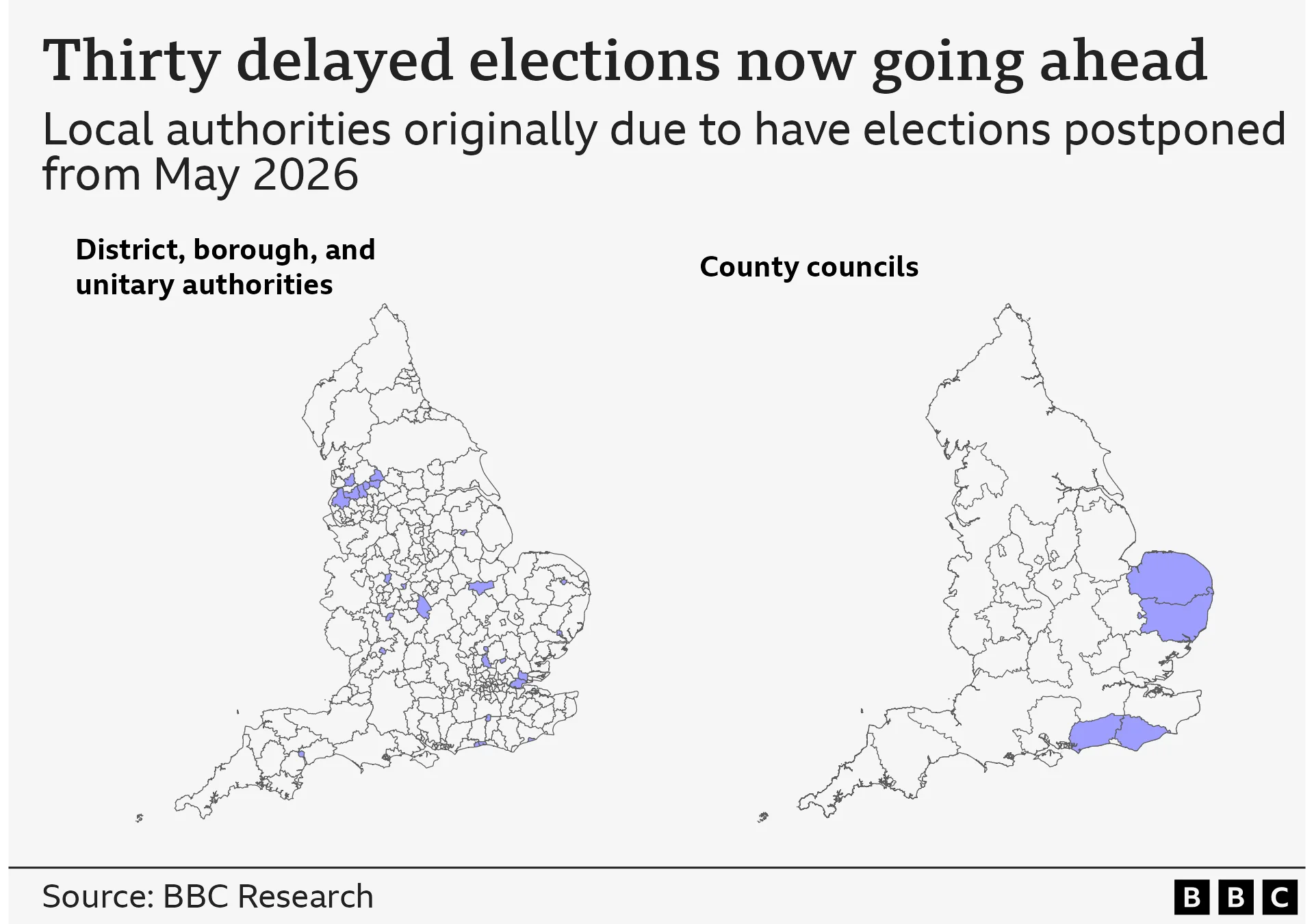
The recent decision by the government to abandon plans to delay local elections in 30 English councils represents a significant shift. Initially, the rationale was to consolidate administrative efforts with ongoing local government reorganisations. However, this move faced considerable opposition and ultimately a legal challenge, prompting the government to reverse course. This U-turn has created an accelerated timeline for electoral preparations, raising concerns among local authority officials about readiness.
Background: Reorganisation and Election Scheduling
In England, local government structures are undergoing significant reform. The planned changes aim to replace the existing two-tier system of district and county councils with new "unitary" authorities responsible for all local services. This reorganisation involves the merger or subsumption of many existing councils.

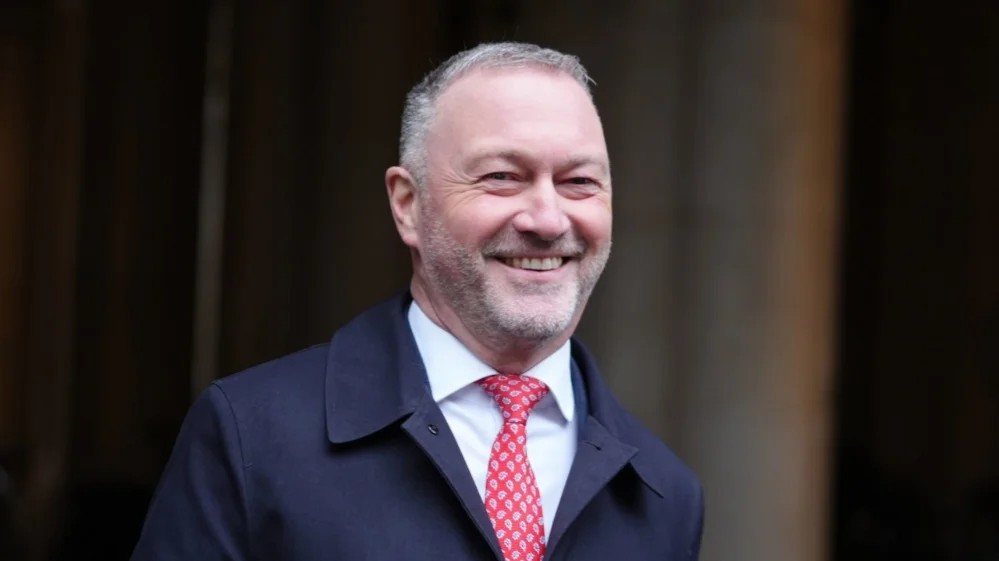
Initial Proposal: The government initially sought to delay local elections in 30 councils to align with these reorganisation plans. This decision was communicated by Local Government Secretary Steve Reed.
Rationale Provided: The stated reason for the delay was to reduce administrative burdens and costs associated with carrying out both elections and major structural changes simultaneously. Some sources suggested a warning was given that the decision could face legal challenges.
Legal Opposition: The delay was challenged, notably by Reform UK, who argued that postponing elections was undemocratic. This legal challenge is cited as a key factor in the government's eventual reversal.
Timing of Reversal: The government announced its abandonment of the delay plans shortly before a court hearing was scheduled.
The Government's Reversal
The government's decision to abandon the planned delay of elections has led to a significant political discourse.
Read More: London Labour Councillors Join Green Party Due to Starmer's Policies Before May Elections
Official Statement: The government confirmed its withdrawal of the original decision to delay elections. In a letter to council leaders, Steve Reed stated that the government had informed the High Court of this withdrawal.
Justification for U-turn: The government has cited a change in its legal advice as the reason for reversing the decision. However, further details regarding this advice have not been publicly disclosed, leading to calls for transparency.
Political Reaction: The reversal was met with applause from opposition parties, including the Liberal Democrats and Reform UK, who had championed the restoration of the elections. Conversely, the decision has reportedly caused frustration among some government colleagues.
Impact on Electoral Preparations
The sudden reversal of the delay has placed considerable pressure on local authorities responsible for organising the elections.
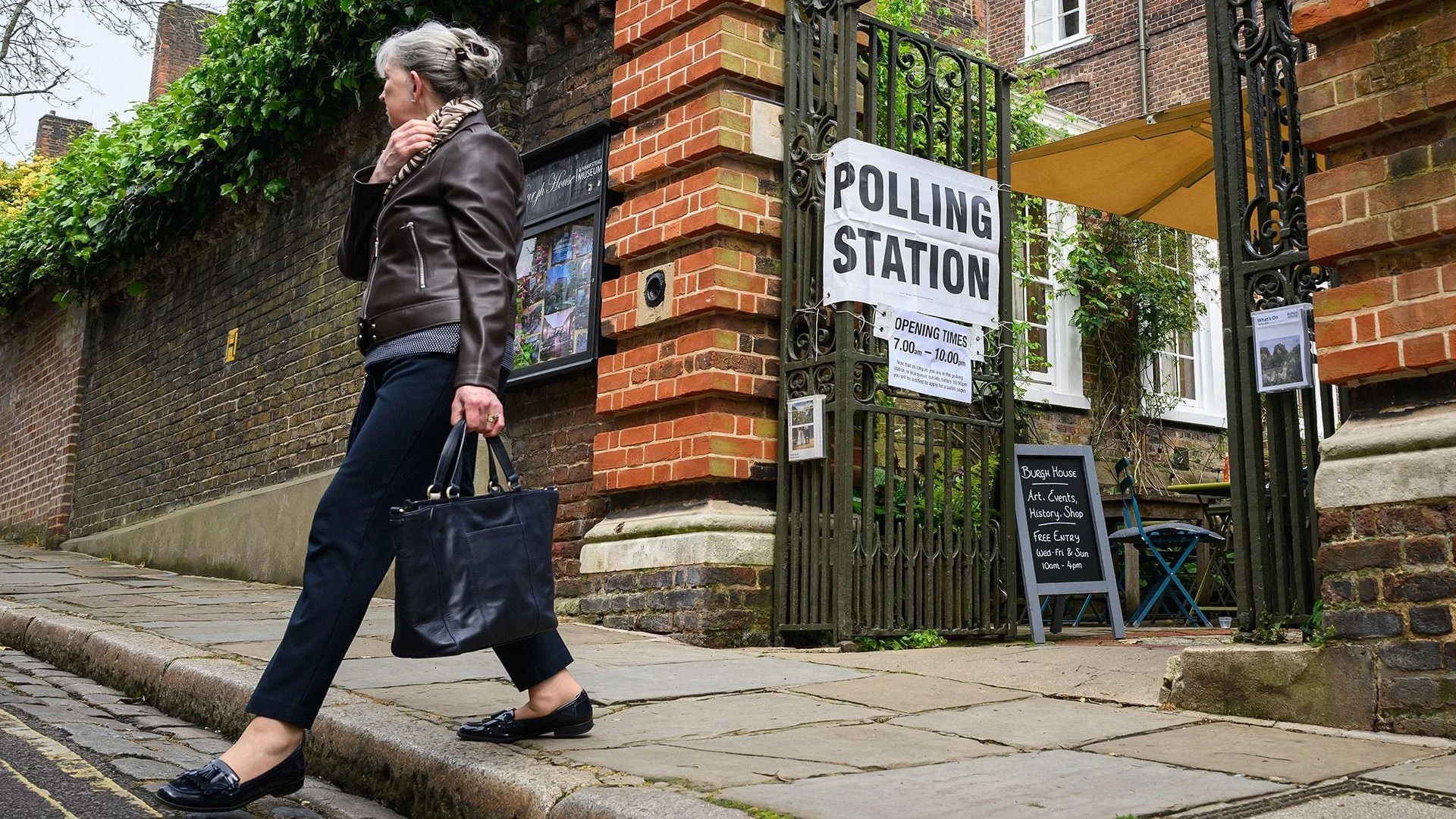
Compressed Timeline: With the elections scheduled for May, councils and political parties now have approximately 11 weeks to prepare. This has been described as an "unnecessary race against time."
Official Concerns: Representatives of electoral officials have expressed concern that the lost months of preparation time will make it difficult to be fully ready for polling day. Returning officers and electoral administration teams are expected to be impacted.
Continuation of Planning: Despite the initial plan to delay, some council leaders continued to plan for the elections to proceed as scheduled, acknowledging the ongoing legal process.
Councils Affected
A total of 30 English councils were initially slated for delayed elections. The specific list includes a mix of councils controlled by different political parties.
Read More: England NHS Prescription Season Ticket Saves £41 Yearly for Many
| Political Control (at time of initial delay plan) | Number of Councils | Affected Councils