Google's recent expansion of its AI-powered Fitbit Health Coach to iOS devices, notably reaching iPhones before a potential Apple competitor, marks a significant move in the digital health and wearable technology landscape. This development places a sophisticated, conversational AI health advisor directly into the hands of a wider user base, leveraging detailed health data to offer personalized fitness, sleep, and wellness guidance. The availability of this feature on a new platform, coupled with reports of Apple potentially scaling back its own AI health initiatives, underscores the evolving competitive dynamics and the growing importance of AI in personal health management.
Context and Timeline
The Fitbit AI Health Coach, powered by Google's Gemini AI, has been gradually rolled out. Initially launched in a public preview, it was first available to Fitbit Premium subscribers in the United States. The recent expansion, reported across multiple sources between August 2025 and February 2026, has extended its reach to:
Read More: Amazon Prime Was Faster and Saved People Money in 2025
International Markets: The United Kingdom, Canada, Australia, New Zealand, and Singapore.
iOS Users: Critically, the service is now accessible on iPhones in these regions, in addition to existing Android support.
This broadens the user base considerably, allowing individuals using iPhones, along with compatible Fitbit trackers, smartwatches, and Google's own Pixel Watch (3 and 4), to access the AI coach. The availability of the coach in these specific countries suggests a targeted market approach by Google.

Key Features and Functionality
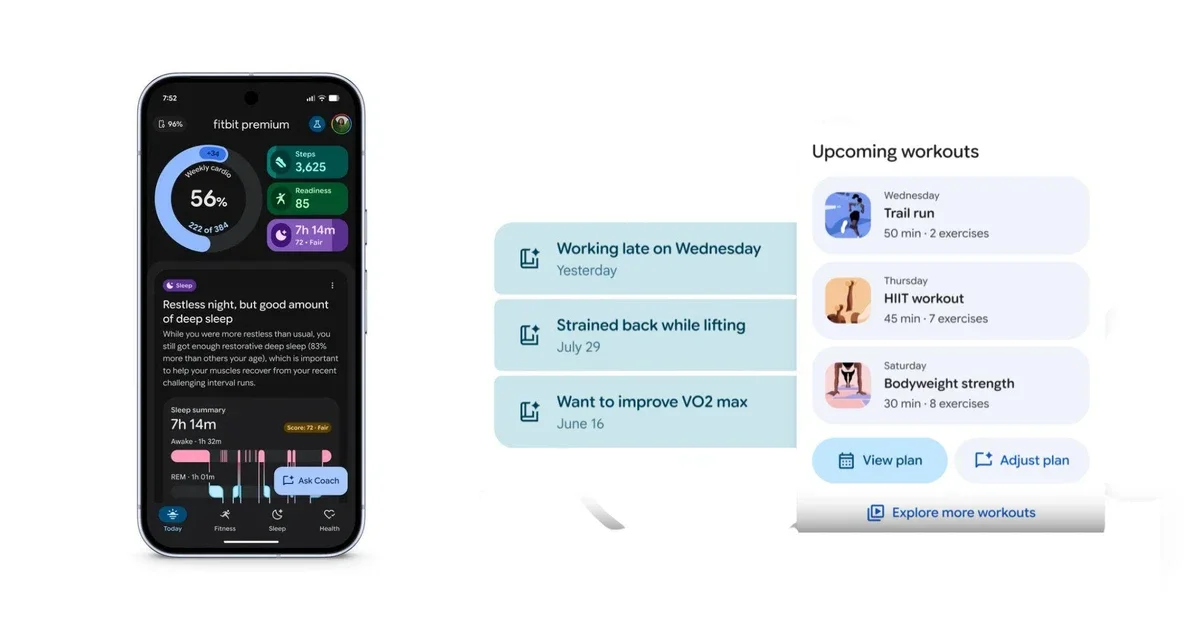
The Fitbit AI Health Coach is designed to act as a 24/7 digital advisor, integrating deeply with the Fitbit ecosystem. Its core functions include:
Personalized Guidance: Offers customized recommendations for fitness, sleep, and overall wellness based on user data and stated goals.
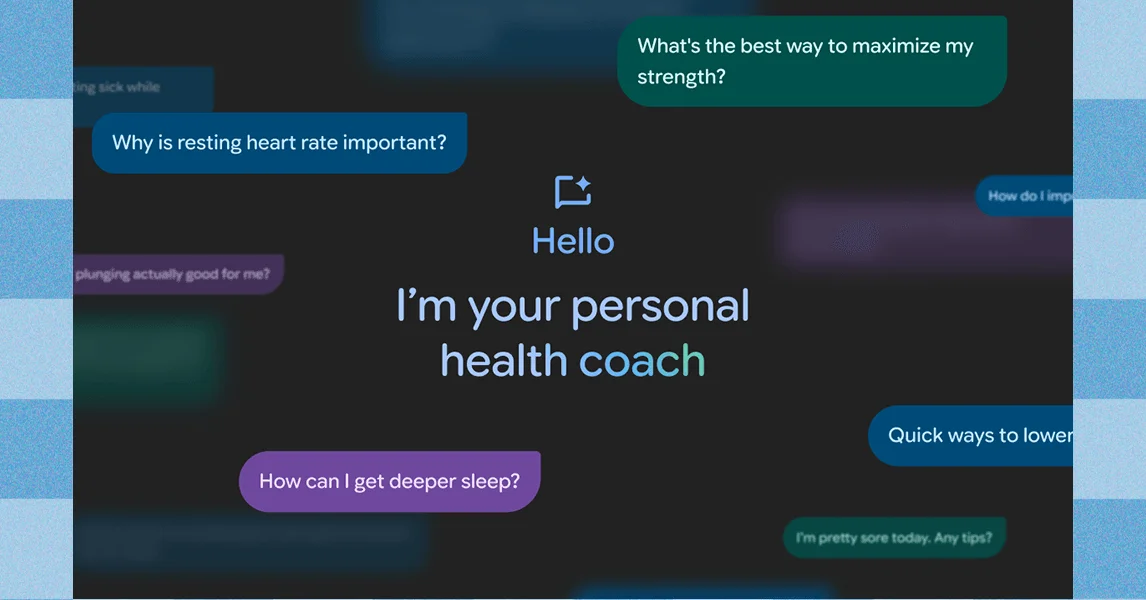
Conversational Interface: Allows users to interact with the AI by asking questions, discussing their progress, and providing feedback on their health and activities.
Data Integration: Utilizes health metrics tracked by Fitbit devices and compatible third-party apps to inform its advice. This includes data on activity, sleep patterns, and various vital signs such as breathing rate, SpO2, resting heart rate, heart rate variability, and skin temperature.
Adaptive Planning: Adjusts workout and wellness plans in real-time based on user performance, reported issues (e.g., a strained back), and recovery needs, such as suggesting extra rest after poor sleep.
Insight Generation: Analyzes trends in user data, particularly sleep quality, and provides actionable insights to improve well-being.
Read More: New Papers Show Epstein Had Health Problems with Sex Hormones
The Fitbit app itself has undergone a significant redesign to accommodate this AI coach, with dedicated tabs for "Today," "Fitness," "Sleep," and "Health" to organize the presented information and conversational interactions.

Market Dynamics and Competitive Landscape
The timing of Google's expanded Fitbit AI Health Coach release is noteworthy, particularly in relation to rumored developments at Apple. Reports suggest Apple may be reducing its focus on its own AI health initiatives, such as a planned "Health+" service for iOS 27. This alleged pullback, if true, creates an opportune moment for Google to solidify its presence in the AI-driven digital health sector.
While other wearable platforms like Whoop offer generative AI coaching for recovery and Garmin provides adaptive training plans, Google's approach, integrating a conversational AI directly into a widely adopted platform like Fitbit, aims for broader accessibility. The success of this strategy hinges on building user trust and demonstrating tangible benefits over existing workflows and less interactive solutions.
Read More: Why Some Programmers Choose Special Languages
Evidence of Feature Availability and Reach
Multiple sources confirm the expansion of the Fitbit AI Health Coach to iOS users in the following regions:
| Region | Platform Availability | Publication Date (Approx.) |
|---|---|---|
| United States | iOS & Android | August 2025 - Feb 2026 |
| United Kingdom | iOS & Android | Feb 2026 |
| Canada | iOS & Android | Feb 2026 |
| Australia | iOS & Android | Feb 2026 |
| New Zealand | iOS & Android | Feb 2026 |
| Singapore | iOS & Android | Feb 2026 |
Access to the feature requires:
An active Fitbit Premium subscription.
A compatible Fitbit tracker, smartwatch, or Pixel Watch.
Signing into the Fitbit app with a Google account.
The feature is currently English-only.
The rollout is described as a "public preview," indicating ongoing development and potential for future enhancements.
Expert and Industry Perspectives
While direct expert quotes on the recent expansion are not extensively detailed in the provided data, the underlying sentiment from tech publications suggests a significant strategic play by Google. The emphasis on conversational AI aims to make sophisticated health coaching more approachable. The integration into the core Fitbit app signals a commitment to making AI central to the user experience, moving beyond simple data tracking. The challenge for Google, as noted, is to cultivate user confidence and encourage adoption of these AI-driven recommendations, especially given established user habits with existing health and fitness applications.
Implications and Future Outlook
Google's proactive expansion of the Fitbit AI Health Coach to iPhones in multiple international markets, while simultaneously reporting a potential slowdown in Apple's own AI health ambitions, positions Google as a frontrunner in the AI-powered digital health space. This move broadens Fitbit's appeal beyond its traditional user base and deepens its integration into users' daily wellness routines.
Read More: Actor James Van Der Beek Dies at 48 from Bowel Cancer; Early Signs Often Missed
The success of this AI coach will likely be measured by:
User Engagement: How often users interact with the coach and act on its recommendations.
Health Outcome Improvement: Evidence of positive changes in users' fitness, sleep, and overall well-being.
Competitive Differentiation: How well the feature stands against current and future offerings from competitors, including Apple.
The ongoing "public preview" status suggests that user feedback and further refinement will be crucial in shaping the future of Fitbit's AI capabilities. Google's commitment to integrating AI into its wearable strategy appears robust, with the Fitbit platform serving as a key vehicle for this evolution.
Sources Used
Digital Trends: https://www.digitaltrends.com/phones/google-brings-the-ai-powered-fitbit-coach-to-iphones-ahead-of-apple/ - Reported the availability of the Fitbit AI Health Coach on iPhones.
MacRumors: https://www.macrumors.com/2026/02/10/google-fitbit-ai-health-coach-ios/ - Detailed the expansion to iOS and mentioned Apple's scaled-back health plans.
LesNews.ca: https://lesnews.ca/tech/mobiles/google-lance-un-coach-sante-ai-de-fitbit-sur-iphone-pendant-quapple-reduit-ses-plans-de-sante-ios-17/ - Covered the AI coach's launch on iPhone and Apple's reduced iOS health plans (French source).
iPhone in Canada: https://www.iphoneincanada.ca/2026/02/10/googles-fitbit-ai-health-coach-arrives-in-canada-on-iphone/ - Announced the arrival of the Fitbit AI Health Coach in Canada on iPhone.
The Verge: https://www.theverge.com/gadgets/876692/fitbit-ai-health-coach-public-preview-ios - Reported on the Fitbit AI health coach's availability for iPhone users.
eMarketer: https://www.emarketer.com/content/google-adds-ai-health-coach-fitbit-ahead-of-apple—samsung - Discussed Google adding the AI health coach to Fitbit ahead of competitors.
Business Standard: https://www.business-standard.com/technology/tech-news/google-expands-gemini-powered-fitbit-coach-to-more-regions-what-is-it-1260211005161.html - Provided details on the Fitbit Coach expansion to more regions and platforms.
FindArticles: https://www.findarticles.com/fitbit-health-coach-expands-to-more-countries-and-ios/ - Detailed the Fitbit Health Coach expansion to more countries and iOS.
Wired: https://www.wired.com/story/fitbit-app-ai-personal-health-coach/ - Explained how the Fitbit app is becoming an AI-powered personal health coach.
Android Police: https://www.androidpolice.com/fitbits-personal-health-coach-is-going-international/ - Announced the international expansion of Fitbit's personal health coach.
9to5Google: https://9to5google.com/2026/02/10/fitbit-coach-international-preview-ios/ - Reported on the international preview expansion of Fitbit Coach to iOS.
Android Headlines: https://android.gadgethacks.com/news/google-fitbit-ai-coach-revealed-game-changer-or-flop/ - Reviewed the Google Fitbit AI Coach.
Google Blog: https://blog.google/products/fitbit/fitbit-ai-personal-health-coach-preview/ - Official announcement of the Fitbit AI Personal Health Coach preview.
AbsoluteGeeks: https://www.absolutegeeks.com/article/tech-news/google-adds-ai-personal-health-coach-to-fitbit-in-major-app-overhaul/ - Detailed Google's addition of the AI health coach to Fitbit.
TechCrunch: https://techcrunch.com/2025/08/20/google-announces-new-ai-powered-personal-health-and-fitness-coach-for-fitbit/ - Announced Google's new AI-powered personal health and fitness coach for Fitbit.
Read More: Software Jobs Changing, Not Ending, Because of AI





:max_bytes(150000):strip_icc()/VWH_EarlySignsofColonCancer-be7dc99d4bfb4a37b2e6bec8d9f4cfd7.png)