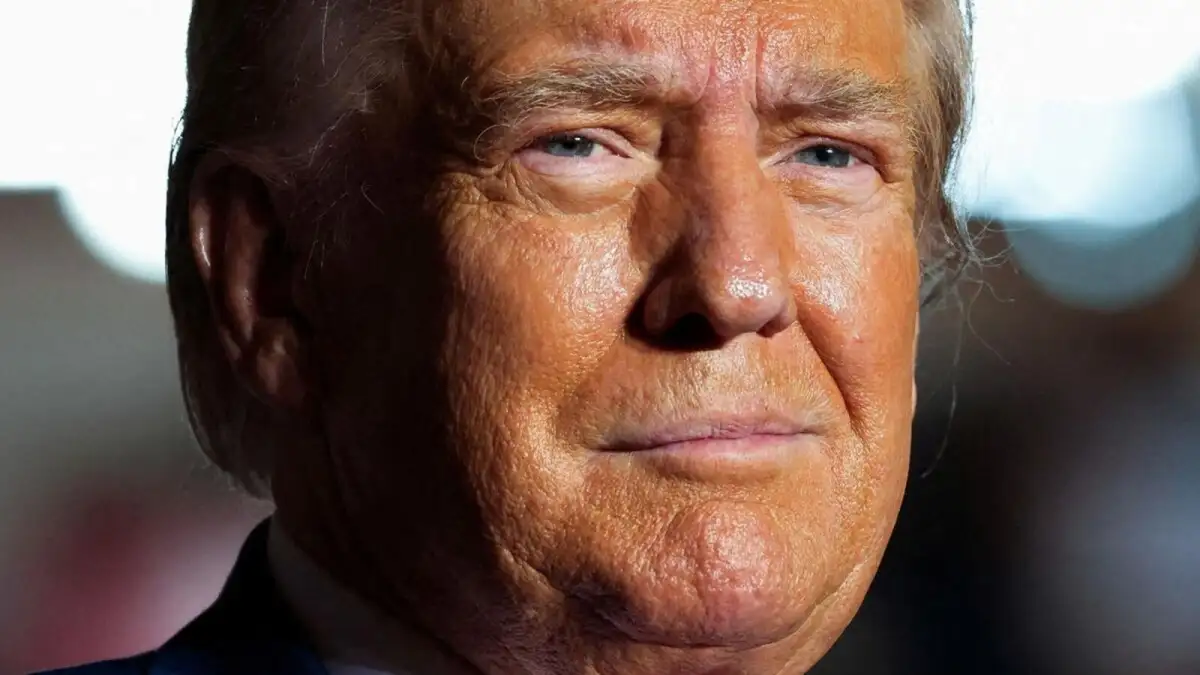
In the sprawling landscape of Georgia's 14th Congressional District, a peculiar drama unfolds. The special election to fill the vacated seat of Marjorie Taylor Greene has become a crucible for Donald Trump's endorsement, pitting his proclaimed influence against the more tangled realities of local politics. Clay Fuller, a district attorney and Air Force veteran, carries Trump's banner, having secured the former president's backing in a crowded field of nearly 20 candidates.

This election, a frantic scramble in a staunchly Republican area, serves as a peculiar barometer. Greene herself, a vocal Trump supporter turned critic, has remained on the sidelines, her continued disapproval of Trump, particularly regarding his actions in Iran, a silent undercurrent. The district, long seen as a bellwether for Trump's hold on the Republican base, now faces the question of whether such critiques chip away at his sway, or if his endorsement simply becomes another element in a complex electoral calculus.
Read More: Taiwan Holds Nantou County Drills to Prepare for State Collapse
The Endorsement's Reach
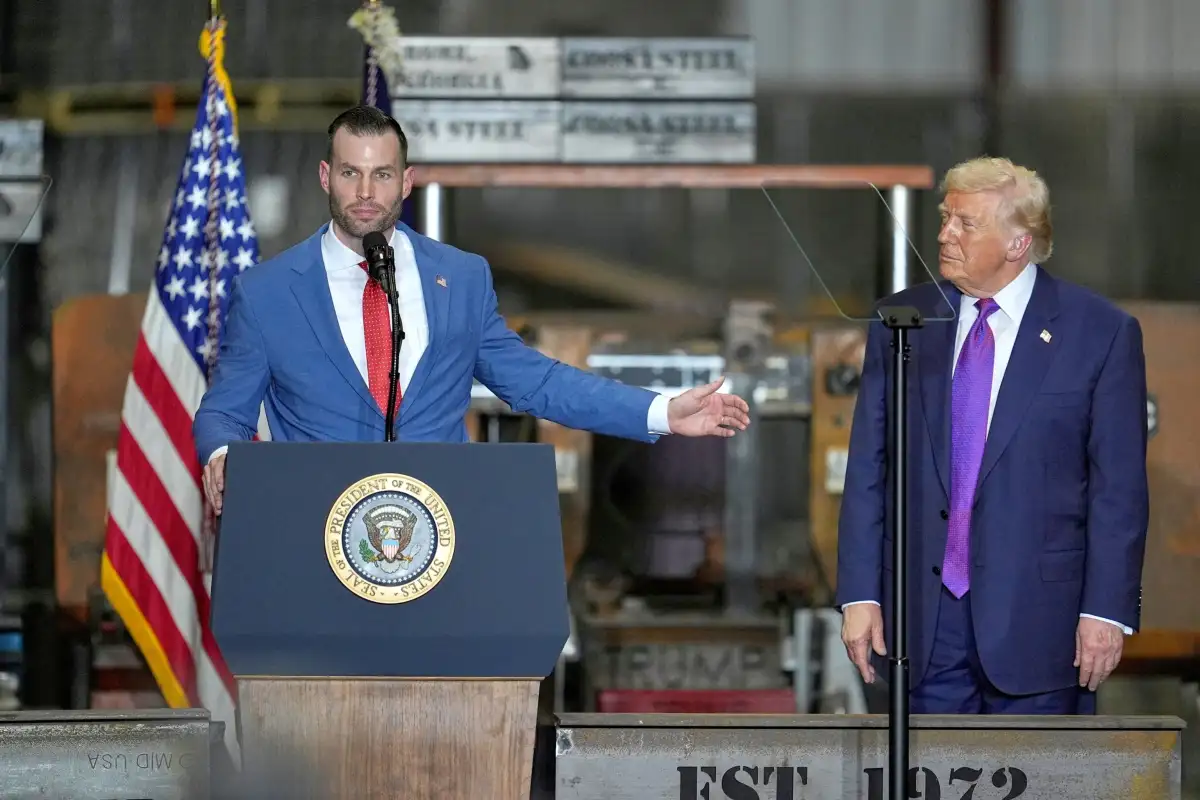
Trump made a point to boost Fuller last month, even sharing the stage with him during a rally in Rome, ostensibly to discuss his administration's economic policies. Yet, even among those who identify as strong Trump supporters, the endorsement isn't an automatic win. Less Dunaway, a voter from the district, notes that while he backs Trump, he believes Moore, a former state senator, might better execute Trump's agenda than Trump's own chosen candidate. This sentiment suggests that for some Republican voters, the perceived competence and alignment with an "agenda" might carry more weight than the direct endorsement itself. Fuller, for his part, insists Trump made the "right choice" in supporting him.
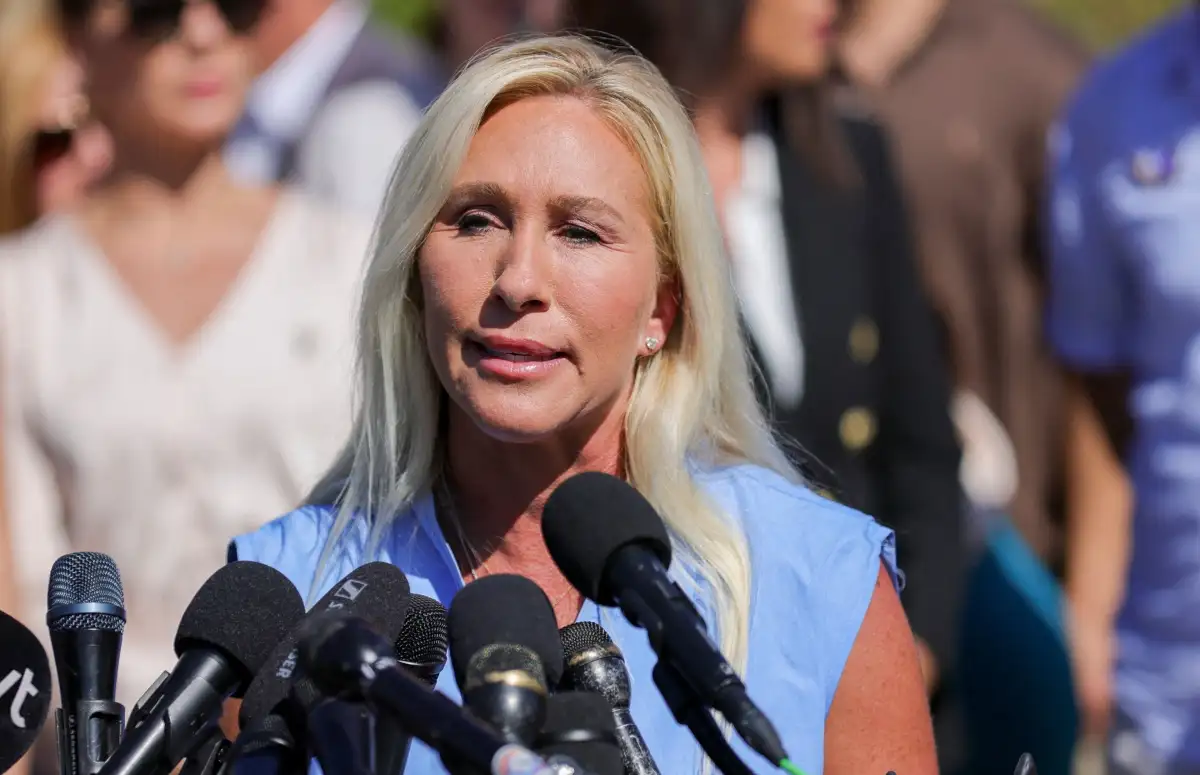
A Fractured Field and Shifting Alliances
The race to succeed Greene, who resigned in January, is anything but straightforward. The departure of the one-time Trump ally has created a wide-open contest, complicated further by Trump's ongoing conflict with Iran, which appears to have divided candidates within the district. This geopolitical tension adds another layer of complexity to an already crowded electoral map, where voters must sift through more than a dozen contenders.
Read More: Aboriginal Voters Turned Away From SA Polling Stations on Election Day

Beyond the federal seat, Tuesday also sees special elections for State Senate District 53 and State House Districts 94 and 130. The 's pronouncements on the Georgia elections, and its role in calling winners, are keenly anticipated. Any registered voter within their respective districts is eligible to cast a ballot in these various contests.
Background Narratives
The 14th Congressional District in Georgia has historically been a Republican stronghold. The special election arises from Greene's departure from her congressional seat. Trump's intervention to endorse Fuller places his influence directly into the fray, an influence that has historically been potent within the Republican party. The outcomes here are often viewed as indicative of broader Republican sentiment and the continued resonance of Trump's political brand.