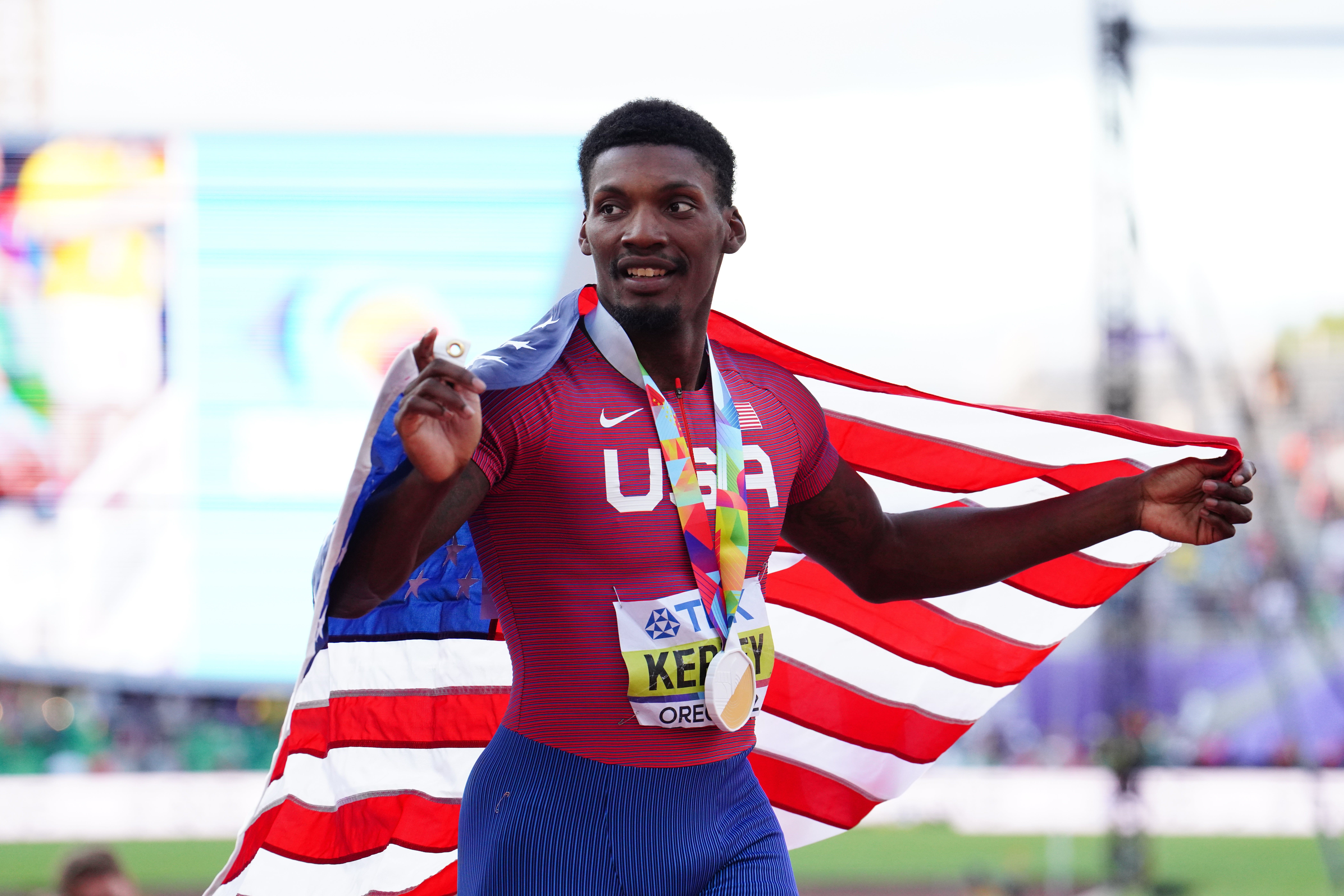
Fred Kerley, the former 100m world champion, has been suspended for two years for "whereabouts failures," a consequence of missing three anti-doping tests between May and December of 2024. An athletics tribunal deemed his actions "negligent and, to a certain extent, reckless" in not complying with anti-doping regulations. This ruling, announced on March 6, 2026, could be appealed to the Court of Arbitration for Sport (CAS).

The ban, which began with a provisional suspension last August, effectively sidelines the sprinter from traditional athletics competitions. The Athletics Integrity Unit (AIU), overseeing doping cases for World Athletics, stated that these whereabouts violations are fundamental to the integrity of sport and must be respected.

Implications for the Athlete
The suspension will not impact Kerley's participation in the Enhanced Games, a new league announced last September where athletes are permitted to use performance-enhancing substances. Kerley, the most prominent sprinter to join this venture, has already expressed his dissatisfaction with the ruling through a series of social media posts.
Read More: Middle Distance Runner Deeksha Tests Positive for Banned Substance

Behind the Ban
Under the World Anti-Doping Code, missing three anti-doping tests or filing failures within a 12-month period can lead to a sanction of up to two years. The AIU confirmed that a fourth whereabouts failure charge on December 7, 2024, was not considered as Kerley had already been found in breach based on the previous three instances. The decision noted Kerley's "negligent and, to a certain extent, reckless" approach to adhering to the rules.
A Shift in Landscape?
Kerley's ban highlights the ongoing tension between established anti-doping frameworks and emerging sporting models. While traditional bodies emphasize strict compliance, the rise of leagues like the Enhanced Games presents an alternative environment for athletes. This situation underscores a broader debate about the future of competitive sports and the varying approaches to athlete performance and regulation.