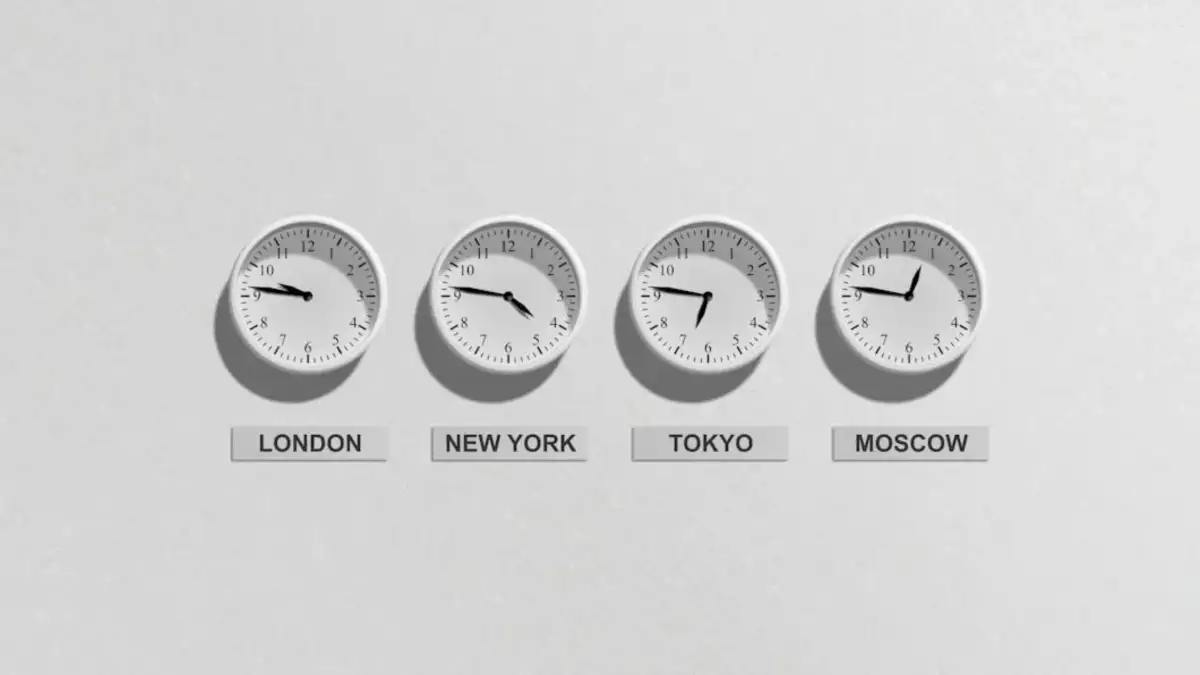
Continental France, alongside the majority of European nations, is set to observe the annual temporal recalibration of Daylight Saving Time (DST), beginning March 29 and concluding October 25 in 2026. This recurring practice, a familiar yet often bewildering dance with the sun, sees clocks springing forward to elongate evenings and falling back to reclaim a lost hour, a rhythm echoed across many Western European countries.

THE MARCH OF TIME ACROSS THE CONTINENT
The synchronised observance of DST in continental France, including its capital, Paris, aligns with a broader European trend. This coordinated system, a relatively recent development in the grand historical narrative of timekeeping, ensures a degree of temporal predictability for international affairs. Most EU countries now participate in this simultaneous shift.
A Patchwork of Observance: Beyond the Mainland
While continental France adheres to the March-to-October DST cycle, exceptions and variations emerge within its broader administrative framework. Dependencies such as Clipperton Island, French Polynesia, French Southern Territories, Réunion, and Wallis and Futuna do not participate in DST, maintaining standard time year-round. A curious outlier is Saint Pierre and Miquelon, an overseas collectivity, which observes DST but on a distinct schedule: March 8 to November 1 in 2026. This temporal dissonance underscores the administrative complexities inherent in managing territories across disparate geographies.
Read More: Daylight Saving Time Changes: Why Clocks Shift Annually
DST'S HISTORICAL ECHOES AND CONTEMPORARY DEBATES
The concept of adjusting clocks for longer daylight hours is not new, with roots stretching back centuries. However, DST gained wider traction during World War I, a period marked by exigency and the pursuit of resource conservation. The notion that DST saves energy, a popular tenet, faces scrutiny from modern studies, which suggest minimal or even negligible energy savings. Furthermore, the popular belief that DST was primarily instituted for the benefit of farmers is largely a myth; in reality, farmers often opposed the practice. The twice-yearly clock change, which results in losing an hour of sleep in spring and gaining one in autumn, is a tangible disruption, even as many modern devices like smartphones automatically adjust. Only a fraction of the world's countries, estimated around 70, actually observe DST, leaving most of the global population unaffected by this practice.
Read More: Europe June 2026 heatwave caused 39 percent rise in Belgium deaths