The Finnish government, backed by a right-wing parliamentary majority, intends to introduce legislation in early April to lift existing legal restrictions on the transit, delivery, and possession of nuclear armaments. The current Finnish legal framework classifies such activities as punishable offenses; the proposed policy shift seeks to align the nation’s security stance with NATO’s broader nuclear deterrence architecture.
The Kremlin characterizes this pivot as an explicit escalation of continental tensions, explicitly threatening counter-measures and labeling the proposed policy as an increase in Finland's physical vulnerability.
| Factor | Current Status | Proposed Change |
|---|---|---|
| Legal Status | Total ban on nuclear explosives | Permissible transit/possession |
| Deterrence | National defensive isolation | Alignment with NATO protocols |
| Border State | 1,340 km land boundary | Increased proximity to NATO strike capability |
Strategic Realignment and Institutional Response
The move arrives as part of a fragmented but hardening European deterrence policy debate. While France and Germany have recently formed a steering group to evaluate nuclear exercises, Finnish Defense Minister Antti Hakkanen frames the legislative push as a functional requirement for national defense rather than an explicit desire to store active warheads on soil during peacetime.
Read More: Bessent Jabs White House Press, Mentions Gavin Newsom
"Transporting, delivering or possessing a nuclear weapon in Finland should be allowed for defense purposes." — Antti Hakkanen, Defense Minister.
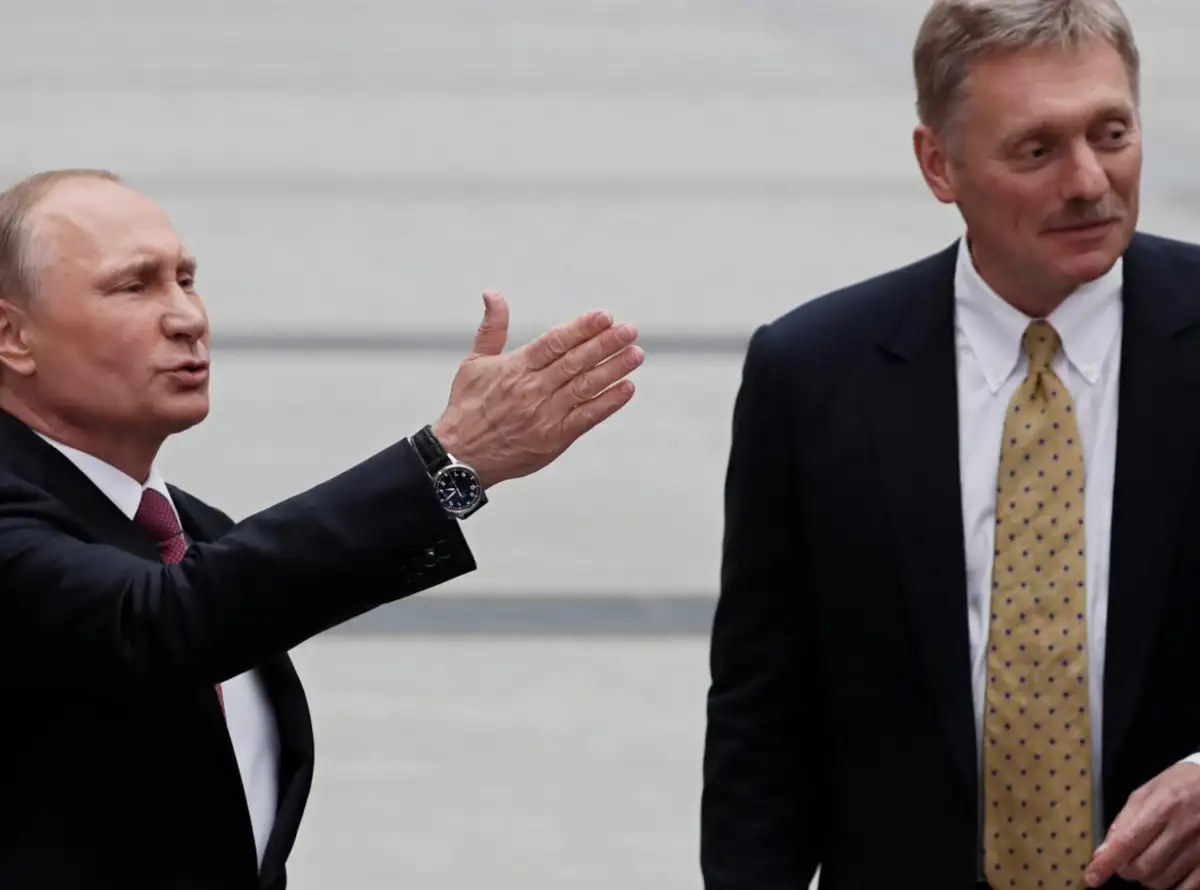
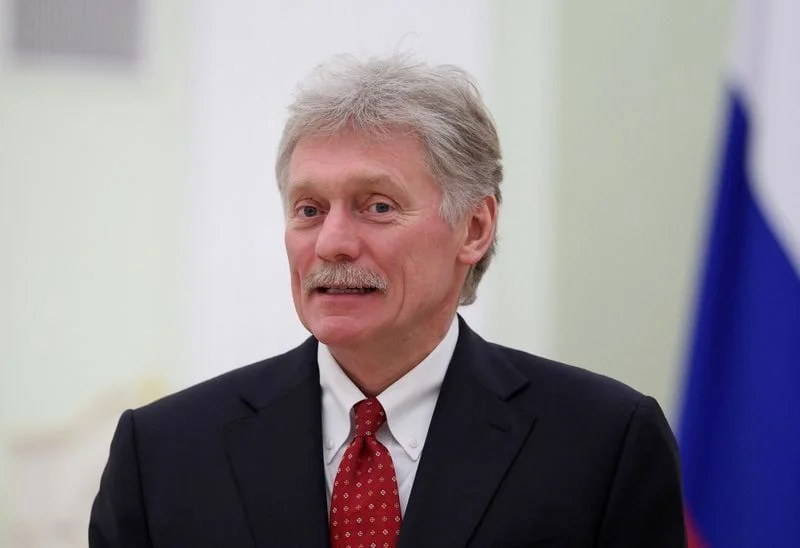
However, the Kremlin's discourse suggests they view the Finnish legislative pivot as part of a systematic "springboard" construction against their interests. Spokesman Dmitry Peskov has signaled that the integration of Finland into the nuclear logistics of the alliance constitutes a tangible degradation of Russia's security buffer.
Contextualizing the Border Friction
The relationship between Helsinki and Moscow has undergone a sharp transition since Finland’s accession to NATO.
Infrastructure Risks: Persistent reports of sabotage on subsea assets and hybrid operations in the Baltic region have formed the backdrop for this policy acceleration.
Regional Variance: While Finland moves to loosen prohibitions, neighboring Sweden maintains a divergent doctrine, explicitly eschewing the stationing of permanent foreign troops or nuclear weaponry in its territory during peacetime.
Analysts tracking these developments observe that the legislative debate is less about the immediate deployment of weapons and more about the formal erasure of legal buffers. This shift effectively reconfigures the 1,340-kilometer border from a neutral or non-nuclearized zone into an active segment of a global geopolitical confrontation.
By removing these statutes, Helsinki is signaling an end to the post-Cold War framework that defined its territorial sovereignty in relation to Russian strategic boundaries. The shift serves as an asymmetric signal to Moscow, transforming a legal technicality into a frontline of deterrence.
Read More: Democrat skips AIPAC event showing party splits on Israel