FX's latest installment of the crime anthology, "Fargo" season 5, is drawing considerable attention for a marked return to the series' foundational strengths. After a critically divisive fourth season, this new chapter appears to have re-anchored itself in the show's established Midwestern sensibilities, a move many reviewers deem a success. The season’s narrative hinges on a seemingly ordinary Minnesota housewife, Dot Lyon, portrayed by Juno Temple, whose domestic facade crumbles under the weight of a violent past. This central conflict, pitting Temple's character against a formidable antagonist played by Jon Hamm, is a significant departure from the more sprawling ensemble nature of previous seasons, opting instead for a potent "two-hander" dynamic.
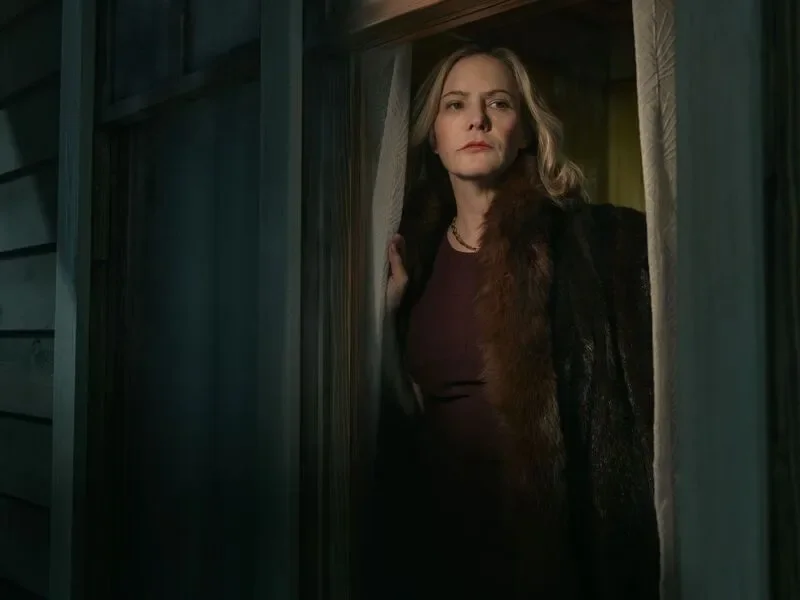
The series is available for streaming on Hulu, with new episodes airing weekly. Critics highlight Temple's performance as a pivotal element, often described as the anchor that propels the entire season. Her portrayal of Dot is noted for its "comedic timing, charm, and range," effectively carrying the narrative and sparking audience investment in her fate. Jon Hamm's role as Sheriff Roy Tillman is also recognized, with descriptions suggesting the character's presence, akin to his "shearling-lined jacket," suits him well within the show's distinctive tone. The season’s themes are being discussed as a thematic examination of the "battle of the sexes," a departure from season four's focus on racial prejudice, but still tapping into similarly broad, elemental societal anxieties.
Read More: The Plot Against America Miniseries Discussed in April 2026

"Fargo season 5 is a great place to start… The wonderful thing about an anthology show is that you don’t have to start at the beginning."
This season's narrative setup begins with Dot's seemingly innocuous arrest, which unexpectedly attracts the unwanted attention of Tillman, thereby igniting the season's central conflict. Her character is depicted as a devoted mother and wife, maintaining a facade of "unfailingly nice" domesticity, even when confronted by the unsettling presence of Sheriff Tillman. Her husband, Wayne, is characterized as a man predisposed to overlooking troubling realities to maintain a semblance of normalcy. The juxtaposition of such seemingly ordinary lives with extreme violence is a hallmark that critics suggest has been effectively revived.
"Where did she pick up all these skills? It’s a brilliant hook that immediately opens up all manner of questions about Dot: Who is she?"
The reception suggests a positive shift for the franchise, with multiple outlets praising the season as a "masterpiece" and a "great and powerful season." The series is being lauded for its swift pacing and "nasty fun," qualities that suggest a successful recapture of the show's distinctive dark humor and brutal edge. While acknowledging that not every season has reached the peaks of its earlier iterations, particularly season two, critics find that season five, buoyed by strong performances, comes remarkably close to its former glory. The implication is that the long intervals between seasons, characteristic of showrunner Noah Hawley's approach, have once again yielded a compelling narrative.
Read More: LaRoyce Hawkins Leaves Chicago P.D. After 13 Seasons
The show's exploration of societal breakdown is also a recurring theme in reviews, with the veneer of "Minnesota Nice" struggling to mask underlying societal tensions. This installment is framed as a period piece, moving the show into the "Trump years," a context that reviewers suggest influences the narrative's blend of the absurd and the deeply unsettling. The ensemble cast is noted for its quality, with "bright futures" attributed to supporting actors, though the narrative focus remains predominantly on the interplay between Temple and Hamm.

:max_bytes(150000):strip_icc():focal(669x295:671x297)/CHICAGO-PD-LaRoyce-Hawkins-02-070226-a62b5627d6da4cf296614ee60a2552ba.jpg)

/canalplus-cdn.canal-plus.io/p1/brand/19589471/canal-ouah_50055/STD169/myCANAL_16x9_MEA_1920x1080-OGOw)