Critical Moments in Trauma Care Highlighted by New Findings
When medical teams treating severe trauma patients are familiar with each other's strengths and weaknesses, those patients tend to recover more swiftly. This observation emerges from a recent study conducted at UPMC Presbyterian, a major trauma center in Pennsylvania. The research underscores that in the high-stakes, often chaotic environment of trauma resuscitation, the ability of team members to understand and rely on each other's expertise is paramount.
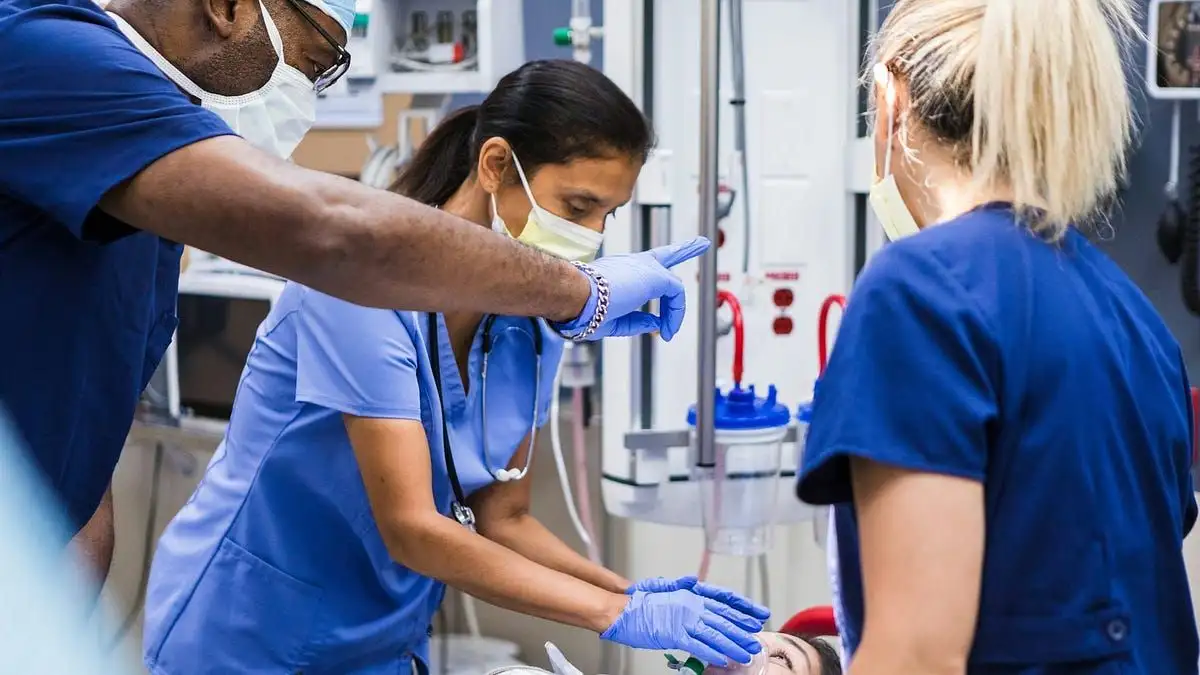
The study specifically examined how these teams function, noting that they are not pre-assigned but rather assembled reactively as emergencies arise. The unpredictability of trauma care means that staff must adapt, often without prior coordination. It is this "on-the-fly" formation that makes the development of mutual understanding, termed 'transactive memory systems' (TMS), particularly vital.
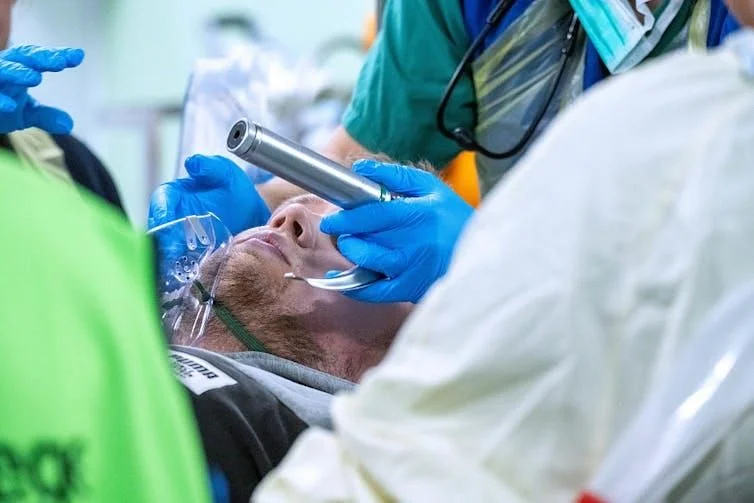
Transactive Memory Systems: The Unspoken Knowledge
Transactive memory systems refer to a team's collective knowledge about who knows what and who is skilled at particular tasks. This shared understanding allows team members to efficiently tap into each other's expertise during critical interventions. The implication is that even if individuals are not perfectly acquainted, a structured way of knowing who to turn to for specific skills can significantly impact patient outcomes.
Read More: India IVF Costs And Social Barriers Limit Access In April 2026
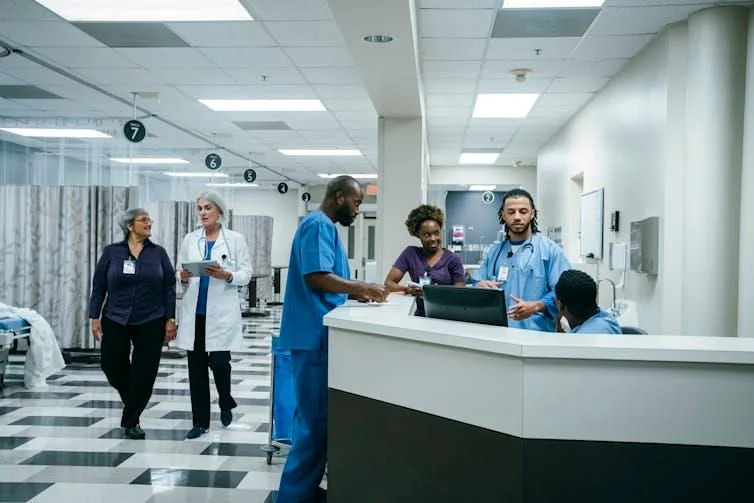
The research, which appeared in journals like Organization Science and The Conversation, suggests that simply having a team assembled is not enough. The quality of their interaction, particularly the implicit knowledge of each member's capabilities, appears to be a crucial, albeit often overlooked, factor in successful trauma care.
Background: The Race Against Time in Trauma
Trauma patients often arrive at emergency departments in critical condition, with survival chances frequently hinging on rapid and effective interventions within the first few minutes. This narrow window of opportunity necessitates seamless collaboration among medical professionals. The unpredictable nature of trauma means that teams can be composed of various individuals each time, highlighting the challenge of establishing consistent high performance. Previous work in team dynamics has indicated a general positive correlation between a team's accumulated experience and its performance, with transactive memory acting as a mechanism explaining this link.
Read More: Fetterman Says PA Attorney General Candidate Unfit for Job