


Indices Shed Value Amidst Inflation Fears and Geopolitical Jitters
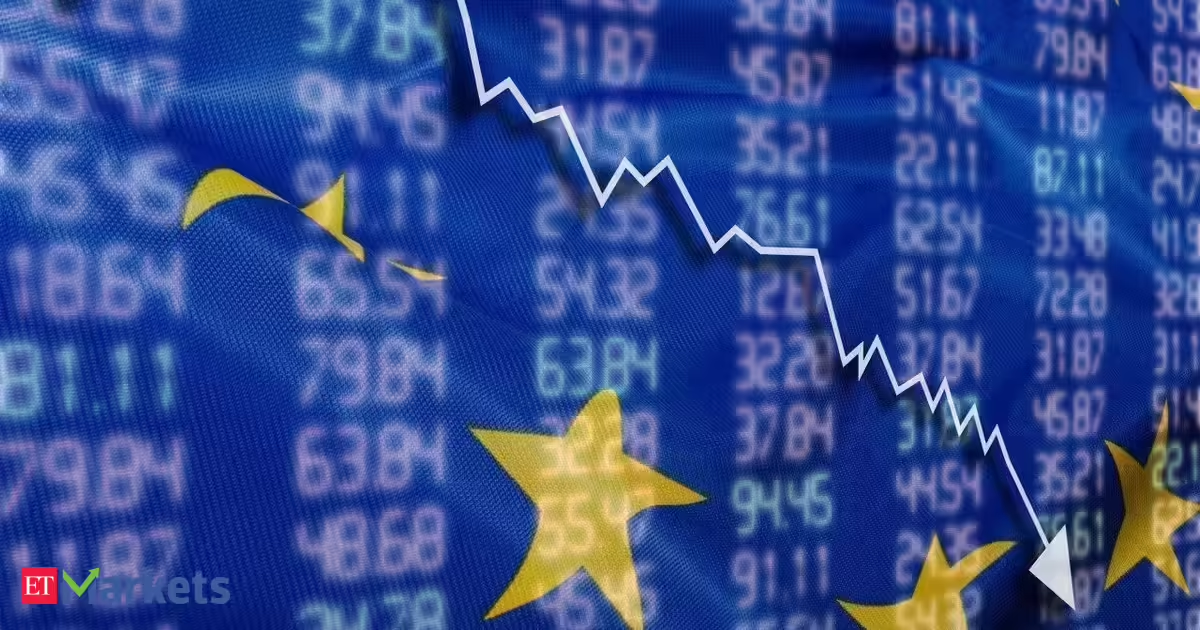
European stock indexes have again tumbled, concluding what has been a deeply unsettled period for global financial dealings. Investors appear to be girding themselves for continued market choppiness, fueled by persistent concerns over rising inflation and an apparent lack of immediate central bank intervention.
Safe-haven assets have seen increased demand as equities decline. This flight to perceived safety suggests a widespread apprehension about the current economic climate. Major indexes like Germany's DAX recorded notable drops, with France's CAC 40 and the UK's FTSE 100 also registering losses. The technology sector, in particular, has been hit hard, with individual company stocks experiencing significant downturns. Industries heavily reliant on global commerce, such as luxury goods and consumer staples, have also faced downward pressure.
Economic Currents and Policy Undertones
Discussions regarding coordinated responses among European policymakers have surfaced, indicating a level of alarm among governing bodies. Simultaneously, expectations of imminent interest rate cuts from the United States appear to be receding, adding another layer of uncertainty to market sentiment.
The current climate is complicated by ongoing geopolitical developments. Discussions involving U.S. officials and their Ukrainian counterparts, including planned meetings, aim to assess the potential for peace negotiations with Russia. However, the focus on these high-level talks appears to coincide with broader economic unease. Provisional trade data from Germany has also indicated a decline, further contributing to the somber market mood.
Read More: Arsenal needs player sales to buy new stars and follow money rules
Background Currents
This period of market volatility is not isolated. Reports from earlier in the year, specifically around March 2025, already highlighted significant drops, with some analyses referring to the situation as a "bloodbath" for European markets, the most severe since March 2020. At that time, fears of inflation and a lack of central bank support were already driving investors toward less risky assets. The recurrence of such patterns underscores a sustained period of financial disquiet.