Leaders from across the European Union are convening in Belgium for a crucial summit to address the bloc's flagging economic competitiveness. The meeting, held at the historic Alden Biesen castle, comes at a time of significant geopolitical and economic pressure, with concerns rising over the EU's ability to keep pace with global powers like the United States and China. However, divergent national interests and economic philosophies are creating friction, threatening a unified approach to revitalizing the European economy.
Mounting External Pressures
The European Union faces a complex web of external challenges that are exacerbating economic anxieties.
Geopolitical Turbulence: Leaders are meeting amidst "political turbulence" and "hybrid threats from Russia," prompting a "rethink of Europe’s approach to diplomacy and trade."
Intensified Global Competition: The EU's economy "lags behind bigger powers," with particular concern over industrial power relative to the U.S. and China.
Trade Policy Antagonism: The bloc faces "antagonism from U.S. President Donald Trump" and "strong-arm economic tactics from China."
Internal Disagreements on Economic Strategy
While there is a shared goal of enhancing EU competitiveness, member states are deeply divided on the best path forward.
"Buy European" vs. Free Trade: A central point of contention is the proposed "Buy European" concept, which advocates for public buyers to favor European firms. This idea is championed by some, such as Ursula von der Leyen, who stated the EU executive would propose a law on "European preference this month."
However, a group of northern European countries championing free trade has "fired a warning shot" against this approach. Olaf Scholz of Germany is reportedly skeptical, favoring "a more aggressive deregulation agenda and trade deals" instead.
Regulatory Reform: Ursula von der Leyen argues that the EU "must simplify its regulations to make the bloc more competitive" and stated that leaders "can’t just blame the red tape merchants in Brussels for the EU’s economic weakness and must slash back their own national bureaucracies and protectionist rulebooks."
Conversely, there is "resistance in some EU capitals" that view proposals like a "European preference" as contradictory to the bloc's single market and free trade principles.
Capital Access and Scaling: "Unlike their American rivals, European companies face challenges accessing capital to scale up." The Commission believes creating a "new legal system for businesses outside of the scope of member states" could help.
Key Players and Divergent Stances
Several key figures and national alignments are shaping the debate at the summit.
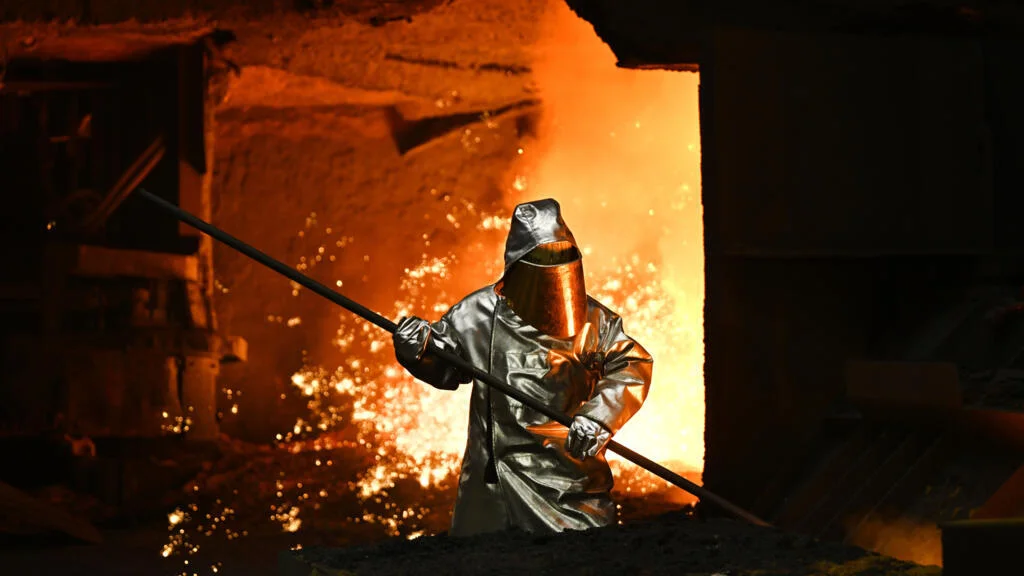
France (Macron): Emmanuel Macron is advocating for the EU to seize a "Greenland moment" to break reliance on the U.S. and China. He supports simplifying regulations, breaking down intra-bloc trade barriers, and reducing dependency on foreign suppliers for critical inputs. He also wishes to "protect European content in critical value chains, including chemicals, steel, cars and defence."
Germany (Scholz): Olaf Scholz is reportedly skeptical of the "Buy European" concept, leaning towards a more aggressive deregulation and trade deal strategy.
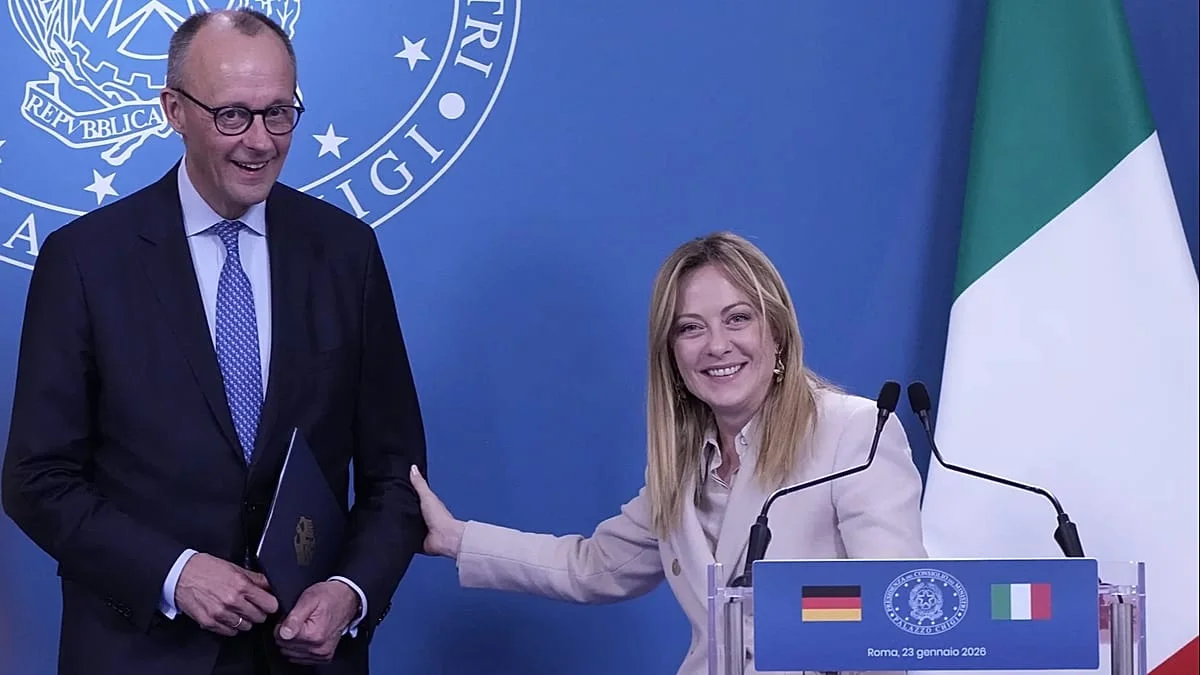
Italy (Meloni): Italy appears aligned with Germany in opposing some of France's proposals.
European Commission (Von der Leyen): Ursula von der Leyen backs the "European preference" idea and emphasizes the need to simplify regulations, while also placing blame on national leaders for excessive bureaucracy.
Trade Deals Under Scrutiny
Major trade agreements are also a significant point of discussion and division.
Read More: Architect Shalom Baranes Faces Criticism for $400 Million Trump White House Ballroom Project
Mercosur Deal: The EU-Mercosur free-trade deal is a major point of contention.
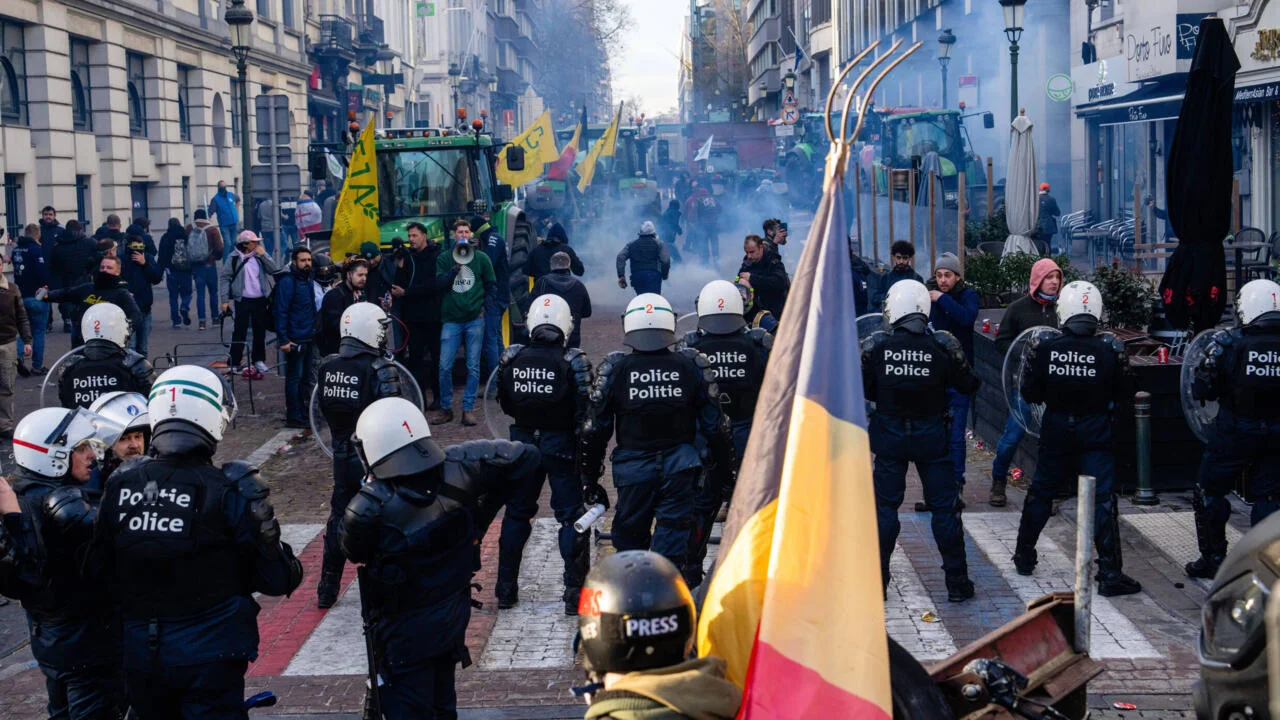
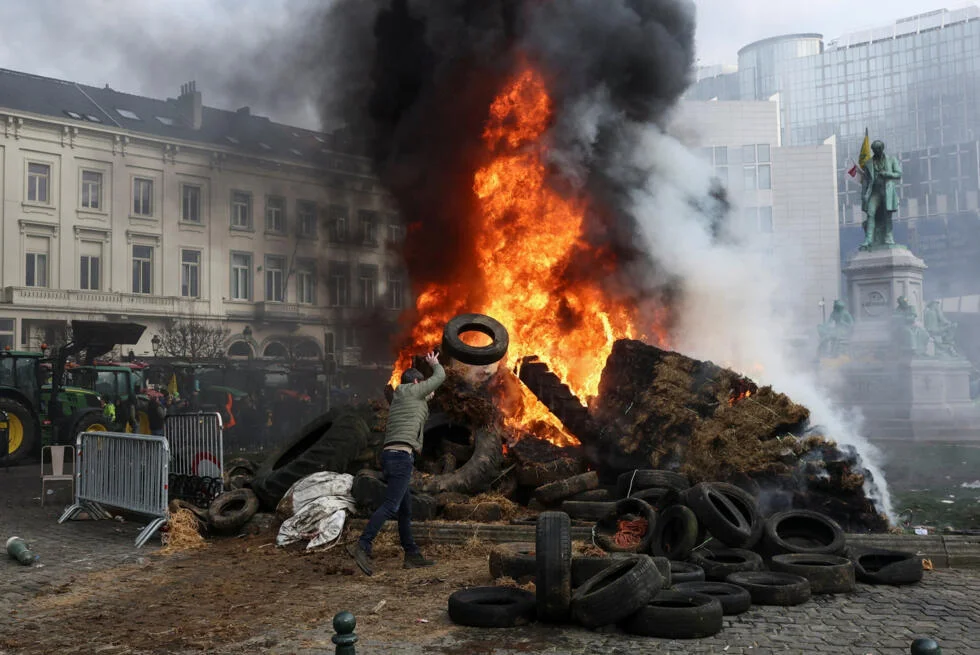
Farmers' Protests: Farmers have staged protests, blocking roads and clashing with police, to demonstrate against the deal, fearing it will harm their livelihoods.
French Opposition: Emmanuel Macron has warned that France will not support the deal without stronger safeguards for its farmers.
German Skepticism: Olaf Scholz also disagrees with Macron on the Mercosur deal.
Underlying Economic Challenges
The summit aims to address systemic issues that have hampered European economic growth.
Productivity and Innovation: "EU growth has been persistently lower than that of the United States over the past two decades, with EU productivity and innovation, particularly in fields like AI, falling short."
Industry Performance: "Industry-commissioned research, published on Wednesday, suggested Europe's economic vital signs are trending downward."
Automaker Concerns: The proposed "European preference" approach has alarmed automakers, who rely on many components sourced from outside the EU.
Expert Analysis
Insights from external analyses highlight the complexity of the situation.
"The EU institutions in Brussels are at loggerheads with national capitals such as Berlin and Rome over who to blame for bureaucratic overkill." - Politico
"Paris is facing a Berlin-Rome axis in the debate over how to revive the EU economy." - Euronews
Conclusion and Future Implications
The EU leaders' summit in Belgium represents a critical juncture for the bloc's economic future. The clear divergence in strategies, particularly between France and a Germany-Italy axis, coupled with opposition from free-trade advocating nations, signals a challenging path to consensus. The pressure from external economic rivals and geopolitical instability amplifies the urgency, yet internal disagreements on protectionism versus free trade and regulatory reform remain significant obstacles. The outcomes of this summit will likely shape the EU's trade policies, its approach to internal market regulation, and its overall capacity to compete on the global stage in the coming years. Whether leaders can forge a unified strategy or will settle for incremental compromises remains to be seen.
Read More: CBS News cuts staff and closes radio division on March 20, 2026
Sources:
The Guardian: https://www.theguardian.com/world/2026/feb/12/eu-leaders-clash-buy-european-belgium-summit
Politico: https://www.politico.eu/article/ursula-von-der-leyen-flips-the-blame-for-crippling-eu-economy-back-onto-national-leaders/
Washington Post: https://www.washingtonpost.com/world/2026/02/12/europe-eu-trump-china-russia-rethink/f38c4de4-07d0-11f1-b196-5e1986b3575cstory.html
RFI: https://www.rfi.fr/en/international-news/20260212-eu-leaders-push-to-rescue-european-economy-challenged-by-china-us
Euronews: https://www.euronews.com/my-europe/2026/02/11/france-set-to-clash-with-germany-and-italy-as-eu-leaders-seek-economic-boost
US News: https://www.usnews.com/news/world/articles/2026-02-11/eu-to-meet-in-belgian-castle-to-tackle-economic-rivalry-with-us-china
France 24: https://www.france24.com/en/europe/20251218-farmers-to-protest-the-eu-mercosur-treaty-in-brussels-as-european-leaders-meet-in-summit
Irish Times: https://www.irishtimes.com/world/europe/2026/02/10/macron-urges-eu-to-seize-greenland-moment-and-break-reliance-on-us-and-china/