


Doja Cat has vocally challenged remarks made by actor Timothée Chalamet, who, in a recent interview, suggested that ballet and opera are art forms struggling for relevance, essentially stating that "no one cares about this any more." The musician pushed back against this assertion, highlighting the dedication of performers and the existence of audiences for these disciplines.
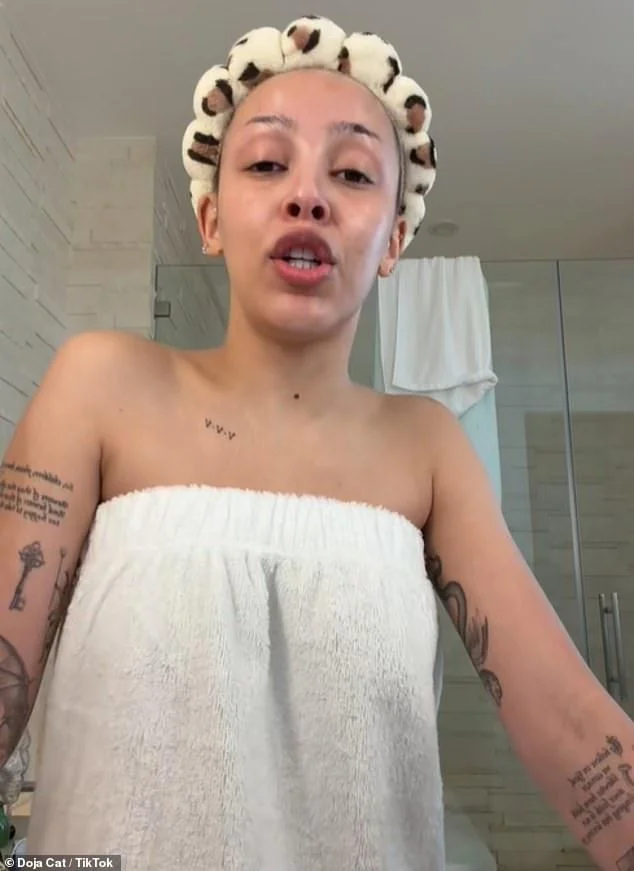
Chalamet’s original comments, made to Matthew McConaughey during a Variety interview, framed these artistic pursuits as ones that audiences don't actively seek out, unlike blockbuster films. He posited that while there's a push to "keep movie theatres alive," he wouldn't want to work in fields that require constant resuscitation due to a perceived lack of interest.

Doja Cat countered this directly, describing dancers who "show up, they break and they bleed, every single day, just because they respect for it." She asserted that the struggles of an industry do not equate to a lack of public care, emphasizing that "people care, dancers care, the singers care, the audience cares." She also pointed to a specific etiquette surrounding opera and ballet attendance: "You show up in a nice outfit, you sit the fuck down and you shut the fuck up."
Read More: Taylor Swift and Travis Kelce Marry at Madison Square Garden

DEDICATION AND DISAGREEMENT
The debate centers on the perceived vitality and audience engagement of traditional arts. Chalamet’s viewpoint suggested that contemporary entertainment, exemplified by the success of films like Barbie and Oppenheimer, demonstrates a clear audience mandate, a stark contrast to the perceived effort needed to sustain interest in ballet and opera.
Doja Cat, however, positioned these traditional art forms not as dying entities, but as disciplines demanding immense personal sacrifice from their practitioners. Her remarks aimed to reframe the conversation, moving from a discussion of audience numbers to one of artistic integrity and performer commitment. She implied that the audience's role involves respectful engagement, regardless of industry fluctuations.
INSTITUTIONAL RESPONSES
Beyond Doja Cat's outspoken critique, arts organizations themselves have responded to Chalamet's statements. The Metropolitan Opera and The Royal Ballet have both issued statements or shared content indirectly addressing the actor's comments. These responses often showcase the hard work and intrinsic value of their respective art forms, challenging the notion that they are neglected or disregarded.
Read More: Billy West Memoir Reveals How He Created Fry's Voice
BACKGROUND CONTEXT
Timothée Chalamet, known for his roles in Call Me By Your Name and Dune, has emerged as a prominent figure in contemporary cinema. His comments were made in the context of a broader discussion about the future of filmmaking and audience engagement in a rapidly changing media landscape. Doja Cat, a multifaceted artist with a significant following, has a history of engaging with public discourse through social media and interviews, often with a direct and unfiltered approach.




:max_bytes(150000):strip_icc():focal(799x0:801x2)/nyc-sky-taylor-swift-travis-kelce-wedding-070326-2dc0d912004b400eac2c8c8b5adeff2a.jpg)
