
Dr. Michael Baden, a pathologist who observed Jeffrey Epstein's post-mortem, has publicly stated that Epstein was strangled, not hanged, and is now calling for a new investigation into the financier's death. This assertion, made after the release of additional documents related to the case, adds to existing questions surrounding the circumstances of Epstein's demise in a New York prison cell.
Background to the Claims
Jeffrey Epstein was found dead in his cell at the Metropolitan Correctional Center on August 10, 2019, while awaiting trial on sex trafficking charges. The official cause of death was determined to be suicide by hanging by the New York City Office of the Chief Medical Examiner (OCME). However, since his death, a significant volume of files pertaining to the U.S. Department of Justice's investigation has been released, fueling ongoing public debate and suspicion.
Read More: Three People Taken in Police Action Near Missing Woman's Home
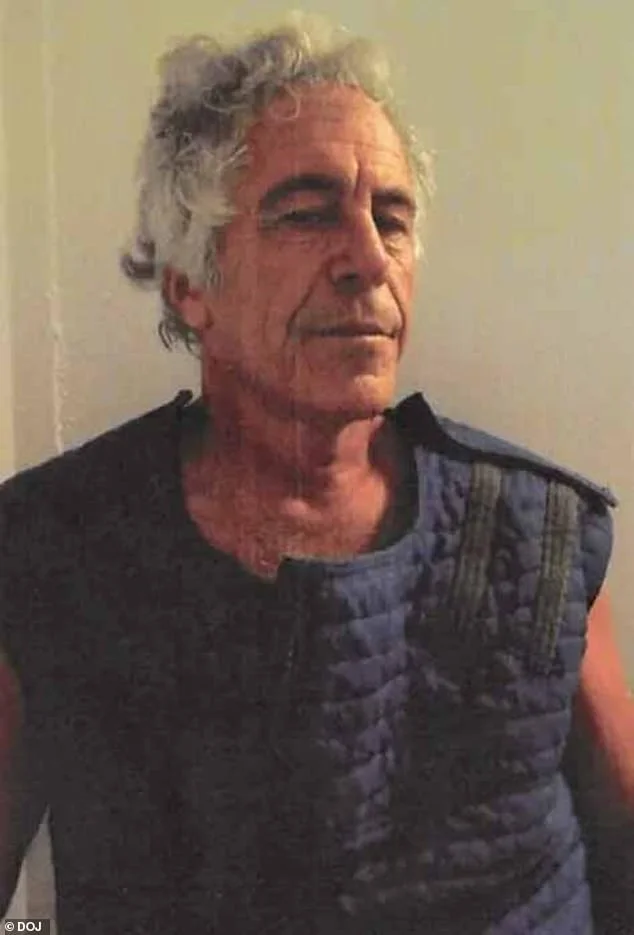
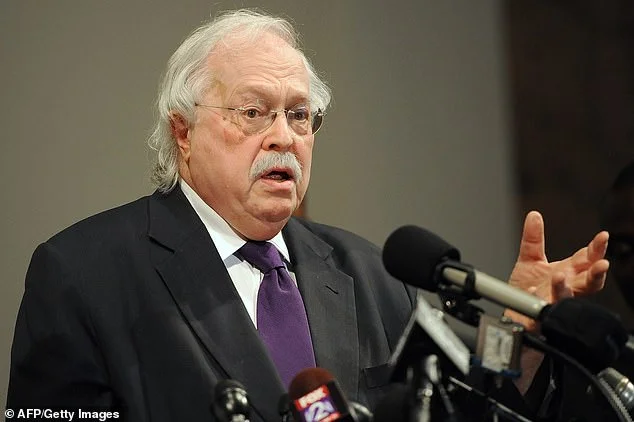
Dr. Baden, a forensic pathologist with extensive experience in high-profile cases, was present during Epstein's autopsy. He was not the primary examiner but attended as an observer on behalf of Epstein's family. He maintains that the physical evidence indicates strangulation rather than a self-inflicted hanging.
Evidence and Observations
Dr. Baden's central claim revolves around the physical findings during the post-mortem examination.

Neck Injuries: He has stated that the injuries observed on Epstein's neck suggest strangulation. This includes fractures of the hyoid bone and cartilage, which he argues are more consistent with homicide.
Time of Death: Dr. Baden has also indicated that the exact time of Epstein's death was "lost," a detail he finds significant.
Observer Role: It is important to note that Dr. Baden's role was that of an observer for the family, not the official examiner.
Official Autopsy Report: A redacted version of the official post-mortem report was released in December 2019. While it documented injuries, the OCME, led by Dr. Barbara Sampson, ultimately concluded suicide, stating that when all scene evidence, witness interviews, and medical data were combined, hanging remained the most consistent explanation.
Divergent Interpretations
The interpretation of the autopsy findings has been a point of contention, with different experts offering varying perspectives.
Read More: Indian Student Saketh Sreenivasaiah Missing in Berkeley
Dr. Baden's View: Dr. Baden firmly believes the evidence points to homicide by strangulation. He has publicly disavowed the suicide ruling and is advocating for a full reinvestigation, suggesting that crucial evidence might have been overlooked or misinterpreted.
Official Stance: The New York City OCME, under Dr. Sampson, officially classified Epstein's death as suicide. Their position is that fractures can occur in both suicides and homicides, and that the overall context of the scene and available evidence supported hanging as the cause.
Other Forensic Opinions: Some reports indicate that other forensic pathologists have also suggested homicide as a possibility, citing the broken bones in Epstein's neck as indicative of foul play. However, the DOJ inspector-general's report echoed the OCME's assessment, finding no sign of external involvement.
Public Opinion: Surveys indicate a significant portion of the public remains skeptical of the suicide ruling, with many believing Epstein was murdered to prevent him from implicating others.
Unresolved Gaps and Questions
Several details surrounding Epstein's death have been cited as areas requiring further scrutiny:
Read More: Unknown DNA Found at Home of Missing Nancy Guthrie
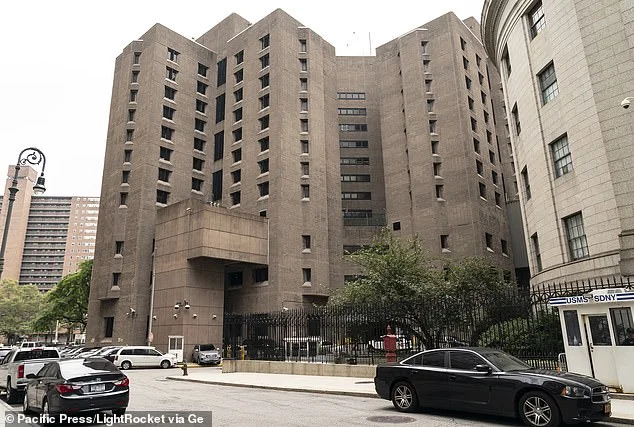
Surveillance Footage: Gaps exist in the surveillance footage from the prison tier where Epstein was held, specifically around the time of his death. Camera failures were documented in FBI reports, creating an interval where his cell was not continuously monitored.
Scene Evidence: Two orange fabric ligatures were collected at the scene. At least one showed hemmed ends, which is reportedly inconsistent with being cut down, raising questions about their origin and use.
Lack of Initial Body Photographs: No photographs were taken of Epstein's body as it was found in the cell. This omission has been noted as preventing a baseline assessment of his body's position and the position of any ligature.
Time of Death Determination: The reported ambiguity surrounding the precise time of death is another point raised by Dr. Baden.
Expert Analysis
The ongoing debate highlights the challenges in definitively determining the cause of death when conflicting evidence and interpretations exist.
Read More: Homeland Security Faces Shutdown Over Immigration Rules
"Individual fractures cannot be evaluated in a vacuum," stated Dr. Barbara Sampson of the NYC OCME, emphasizing the need to consider all available evidence.
Conversely, Dr. Michael Baden's persistent questioning suggests that the current official conclusion may not fully account for the physical evidence. His call for reinvestigation implies that crucial aspects may have been missed or dismissed.
Conclusion and Implications
Dr. Michael Baden's recent statements have intensified the existing controversy surrounding Jeffrey Epstein's death. His assertion that Epstein was strangled, not hanged, and his call for a reinvestigation, draw attention to specific physical findings and procedural details.
Reiteration of Doubt: The doctor's public stance provides a new impetus for questioning the official ruling of suicide.
Focus on Evidence: The debate centers on the interpretation of forensic evidence, particularly neck injuries, and the circumstances within the prison.
Call for Transparency: Dr. Baden's demand for reinvestigation underscores a desire for a more thorough and transparent examination of all available data.
Read More: Police Activity Near Nancy Guthrie's Home Continues
The continued release of files and the ongoing commentary from individuals involved in the initial examination ensure that the circumstances of Jeffrey Epstein's death remain a subject of intense public and professional interest.
Sources
Mirror: https://www.mirror.co.uk/news/us-news/i-jeffrey-epsteins-post-mortem-36715334 - Published 1 day ago. Article discusses Dr. Baden's observation and claim of strangulation.
Daily Mail: https://www.dailymail.co.uk/news/article-15556607/Doctor-Jeffrey-Epsteins-post-mortem-says-paedophile-strangled-NOT-hanged.html - Published 1 day ago. Details Dr. Baden's statement that Epstein was strangled, not hanged, and notes the lost time of death.
The Telegraph: https://www.telegraph.co.uk/us/news/2026/02/13/epstein-post-mortem-results-suicide/ - Published 18 hours ago. Features Dr. Baden calling for reinvestigation, stating his cause of death should be re-examined.
LADbible: https://www.ladbible.com/news/us-news/epstein-files-post-mortem-doctor-results-307824-20260213 - Published 12 hours ago. Reports on Dr. Baden's claim that Epstein didn't take his own life, citing a lack of required checks by guards.
TYLA: https://www.tyla.com/news/crime/jeffrey-epstein-cause-of-death-doctor-baden-319906-20260213 - Published 10 hours ago. Discusses Dr. Baden's assertion of strangulation and the long-swirling conspiracy theories.
BBC News: https://www.bbc.com/news/articles/cm2y33q8l1qo - Published Feb 4, 2026. Provides details from the released Epstein files, including post-mortem examination documents and images.
AOL (via smw.ai): https://smw.ai/epstein-files/autopsy-findings - Details official autopsy findings, including Dr. Sampson's conclusion of suicide and counterpoints from other forensic voices and public sentiment surveys.
Read More: Government Department May Close This Weekend Due to Money Problems