)
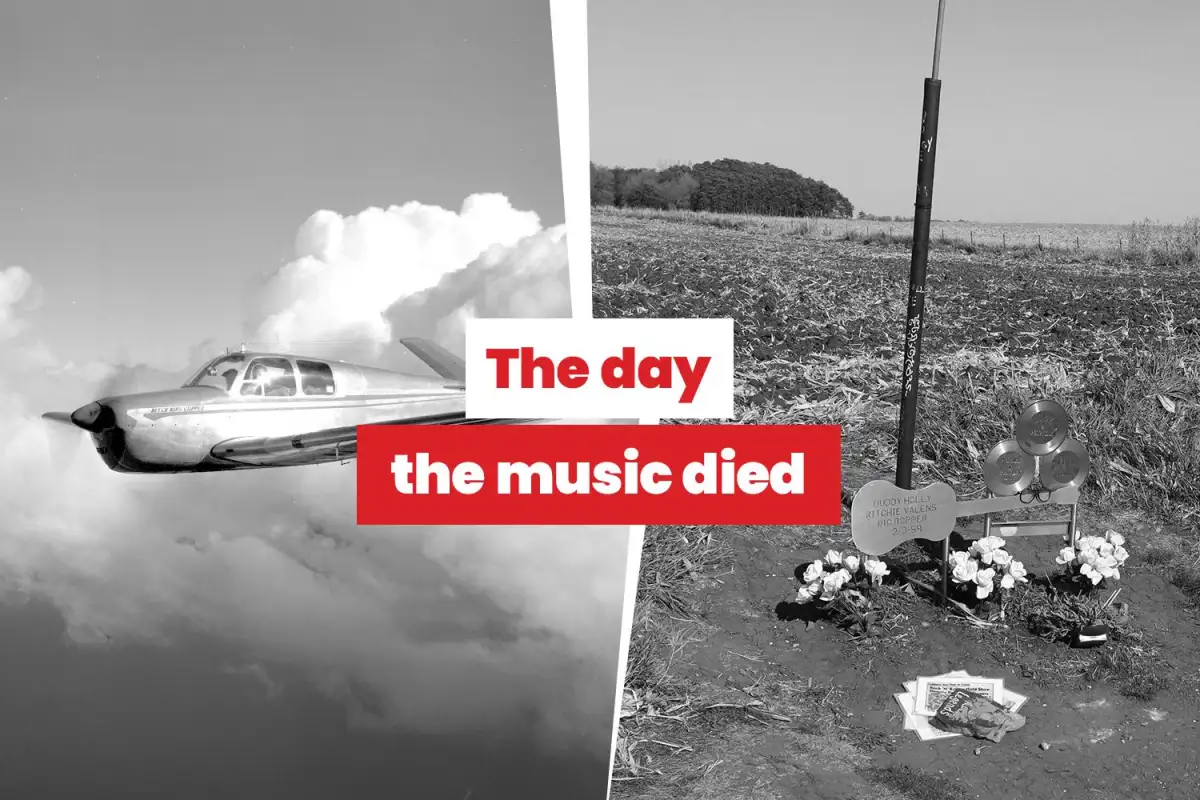
February 3, 1959. A date etched in infamy, a chilling silence that fell over the nascent world of rock and roll. The loss of Buddy Holly, Ritchie Valens, and J.P. "The Big Bopper" Richardson in a horrific plane crash wasn't just the end of three promising lives; it was a seismic event that continues to reverberate, leaving a trail of lingering questions and a profound sense of what might have been. For decades, fans and musicians alike pause on this somber anniversary, not just to mourn, but to grapple with the unanswered questions surrounding the "Day the Music Died." This wasn't a mere accident; it was a convergence of youthful ambition, harsh realities of the road, and critical decisions that led to an irreversible tragedy.
The Grim Equation: Talent, Tribulation, and a Tragic Takeoff
The events of February 3, 1959, unfolded during the "Winter Dance Party" tour, a grueling trek across the Midwest. The conditions were abysmal, with aging, ill-equipped buses leaving musicians battling frigid temperatures and constant discomfort. It was this very hardship that propelled Buddy Holly, then just 22, to charter a small Beechcraft Bonanza airplane. The intention was simple: reach their next gig in Moorhead, Minnesota, faster and with more comfort. But the equation of this flight quickly became a deadly one, involving a pilot with limited instrument training and a fateful coin toss for the last seat.
Read More: Reggie Kray Claims US Mafia Killed Brian Epstein
The Victims:
Buddy Holly: A pioneer of rock and roll, his innovative songwriting and musical arrangements profoundly influenced countless artists.
Ritchie Valens: A vibrant young talent, he fused rock with Mexican folk music, creating a unique sound that broke new ground.
J.P. "The Big Bopper" Richardson: Known for his booming voice and charismatic stage presence, he was a beloved figure in the music scene.
The Unwilling Passengers:
Roger Peterson: The pilot of the ill-fated flight.
The Near Misses:
Tommy Allsup: Flipped a coin with Ritchie Valens for the third passenger seat, losing the toss.
Waylon Jennings: Was initially offered a seat but gave it to The Big Bopper, who was suffering from the flu.
"Holly, tired of the abysmal conditions on the bus, chartered a four-seat flight to Fargo, North Dakota." (Britannica)
This decision, born out of exhaustion and a desire for basic comfort, set in motion a chain of events that would forever alter the landscape of popular music.

A Conspiracy of Circumstance: Weather, Pilot Proficiency, and the Pursuit of Progress
The immediate aftermath of the crash pointed to severe weather conditions as a primary cause. A strong winter storm was pushing through the region, creating a dangerous mix of heavy snow and low visibility. But was the weather the sole culprit, or were other factors at play that night?
Read More: Beatles Savile Row rooftop in London to open for tourists in 2026
Pilot's Qualifications: Reports suggest pilot Roger Peterson had limited instrument flight experience. While he was trained on planes equipped with an artificial horizon gyroscope, he had accumulated only 52 hours of instrument flight training. How much of this training was truly put to the test in the dire conditions that night? Did he have the necessary experience to navigate safely through a blizzard?
The Aircraft: The Beechcraft Bonanza, a single-engine plane, was suitable for short hops, but how robust was it in the face of a significant winter storm? Was the aircraft adequately maintained and equipped for such hazardous flying?
The Takeoff: The departure from Mason City Municipal Airport occurred shortly after midnight. Eyewitness accounts and weather reports indicate the plane immediately encountered a heavy snow band. Within minutes of takeoff, it was reportedly struggling to maintain altitude.
"Within five minutes of take-off, the airplane was in the midst of a heavy snow band and started accumulating snow." (FOX6Now.com)
The crash site, a cornfield near Clear Lake, Iowa, served as a stark monument to a journey that was tragically cut short. But the investigation into the crash, while pointing to weather and pilot factors, has left many with a sense of incomplete closure.
The Ripple Effect: Beyond the Crash Site
The "Day the Music Died" was more than just the loss of three vibrant artists. It was a moment that forced the music industry to confront the perilous realities of life on the road and profoundly reshaped the trajectory of rock and roll.
Industry Overhaul: The catastrophe is credited with prompting a critical re-evaluation of tour safety protocols. New measures were eventually implemented to better protect traveling artists, though the exact nature and enforcement of these changes over time remain a subject for deeper scrutiny. What specific protocols were introduced, and how rigorously have they been maintained?
The Birth of "American Pie": The phrase "The Day the Music Died" was immortalized in Don McLean's iconic 1971 ballad "American Pie." This song, a sprawling narrative of loss and cultural commentary, cemented the event's place in the American consciousness. But did the song inadvertently romanticize the tragedy, overshadowing the ongoing questions?
A Generation's Grief: The deaths of Holly, Valens, and Richardson were a devastating blow to a music community still finding its voice. Their influence, however, continued to shape the sounds of artists who followed. How did the loss of these specific artists – their unique styles and potential collaborations – impact the creative evolution of rock and roll in the subsequent years?
"Holly’s death particularly devastated the music community." (InstrumentalFX.co)
The lingering influence of these artists, evident in the music that followed, serves as a poignant reminder of the talent extinguished that night.
Legacy and Lingering Mysteries: What More Could Have Been?
The legacy of Buddy Holly, Ritchie Valens, and The Big Bopper is undeniable. Their music continues to be celebrated, their stories recounted, and their influence acknowledged. Yet, the tragedy leaves behind a landscape of "what ifs."
Buddy Holly's Innovations: At only 22, Holly was at the forefront of musical experimentation. His band, The Crickets, pushed the boundaries of studio production and songwriting. What further sonic territories might he have explored?
Ritchie Valens' Fusion: Valens' ability to seamlessly blend rock with traditional Mexican music opened doors for future generations of artists exploring diverse cultural influences. What further innovations might he have brought to this fusion?
The Big Bopper's Charisma: Richardson's larger-than-life personality and his unique blend of rock and roll and novelty songs endeared him to audiences. How might his career have evolved?
The very act of remembering "The Day the Music Died" prompts us to question not just the circumstances of the crash but also the untapped potential that was lost. While the song has given us a narrative, the raw, analytical lens of investigative journalism demands we continue to probe the shadows of this enduring tragedy.
Sources:
Zeenews.india.com: https://zeenews.india.com/world/the-day-the-music-died-why-the-february-3-1959-plane-crash-still-haunts-the-world-and-how-it-changed-rock-forever-3013550.html
Britannica: https://www.britannica.com/event/The-Day-the-Music-Died
Primetime.com: https://www.primetimer.com/features/why-is-today-known-as-the-day-the-music-died-significance-of-february-3-examined
Thisdayofhistory.com: https://thisdayofhistory.com/2026/02/02/february-3-1959-the-day-the-music-died/
Instrumentalfx.co: https://instrumentalfx.co/the-day-the-music-died/
Societyofrock.com: https://societyofrock.com/on-this-day-in-1959-the-day-the-music-died-plane-crash-claims-buddy-holly-ritchie-valens-and-the-big-bopper/
FOX6Now.com: https://www.fox6now.com/news/the-day-the-music-died-plane-crash
Aerotime.aero: https://www.aerotime.aero/articles/buddy-holly-plane-crash-the-day-the-music-died
Wikipedia (Note: Content extraction was minimal for this source): https://en.wikipedia.org/wiki/TheDaytheMusicDied