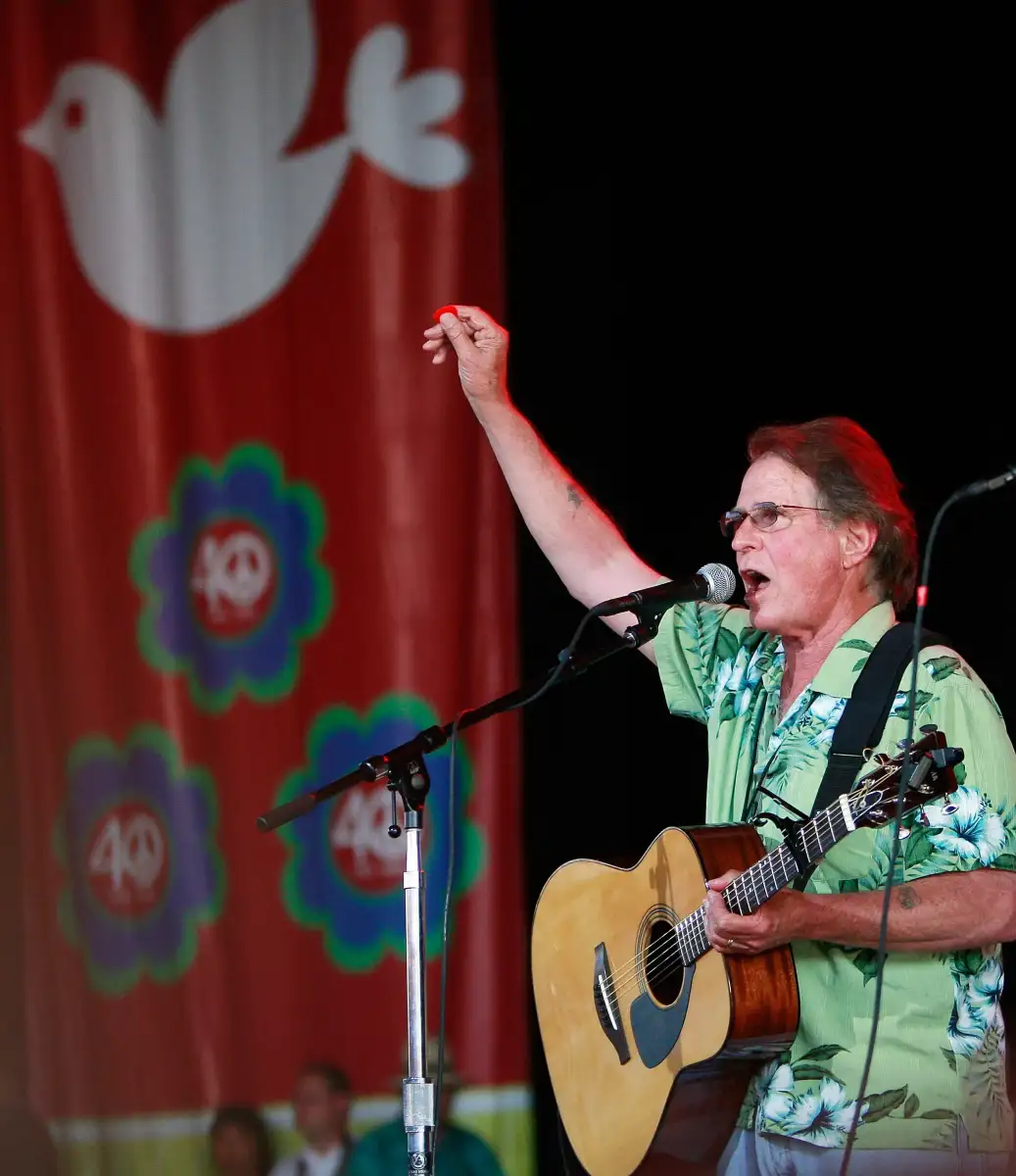
Joseph Allen McDonald, the former Navy sailor who became the satirical voice of the 1960s anti-war movement, died Saturday, March 7, in Berkeley, California. He was 84. His death resulted from complications of Parkinson’s disease, according to a public statement from his band and sources close to his family.
McDonald is primarily recorded in history for leading the crowd at the Woodstock festival in a chant that preceded his signature song, “I-Feel-Like-I’m-Fixin’-To-Die Rag.”
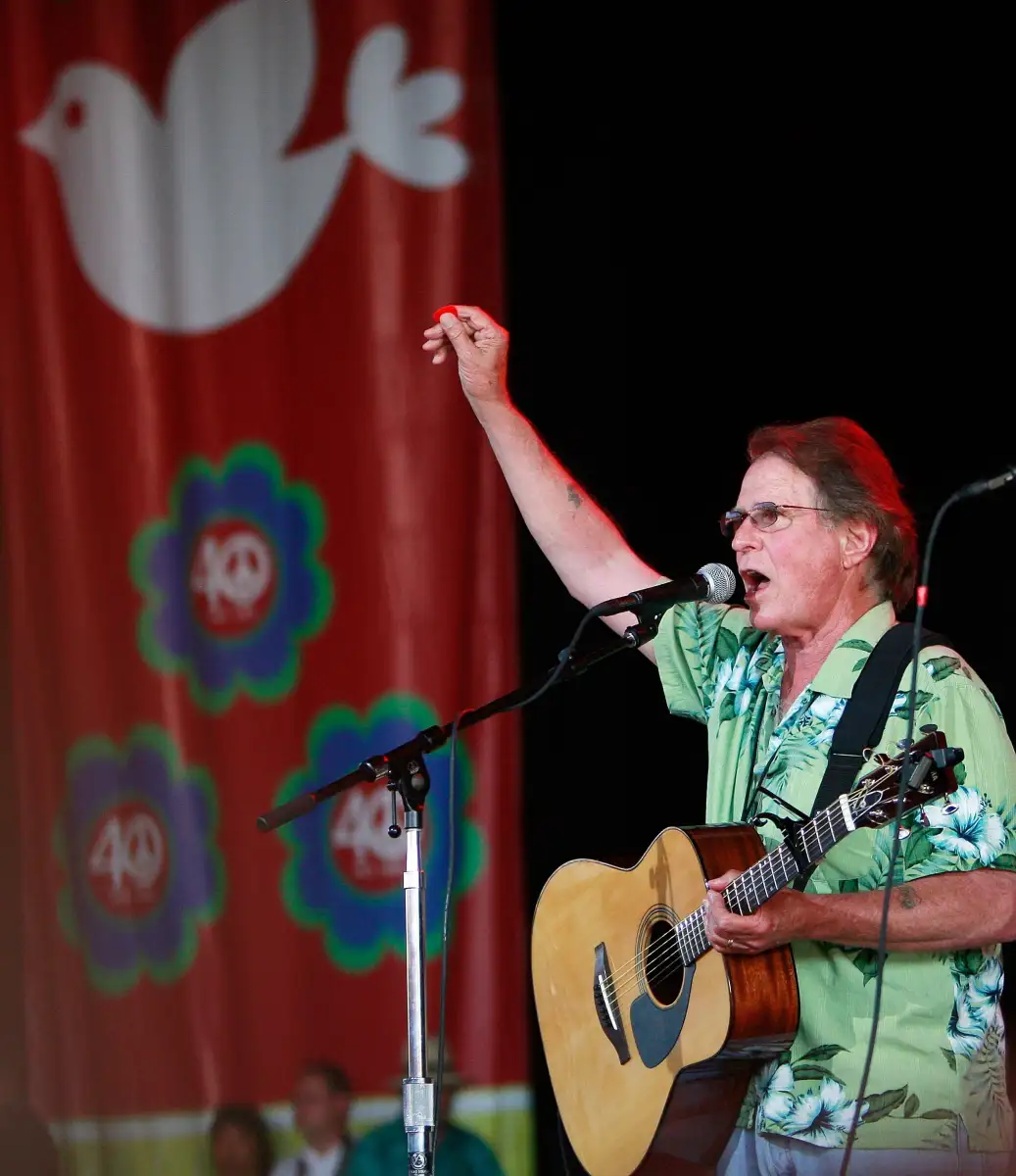
"Well, come on all of you big strong men / Uncle Sam needs your help again / Got himself in a terrible jam / Way down yonder in Vietnam"
He co-founded Country Joe and the Fish in the mid-1960s alongside guitarist Barry Melton.
The group functioned as a central node in the San Francisco psychedelic rock scene, bridging the gap between acoustic folk and electric distortion.
McDonald’s output was vast, consisting of hundreds of songs and dozens of albums that moved through psychedelic jams, soul, and country-inflected rock.
The Mechanics of the Counterculture
The commercial success of McDonald’s work sat awkwardly against its revolutionary intent. While the “I-Feel-Like-I’m-Fixin’-To-Die Rag” served as a blunt tool against the Vietnam War, it also became a staple of the music industry’s first major foray into festival-sized profit.
| Attribute | Detail |
|---|---|
| Birth Name | Joseph Allen McDonald |
| Primary Band | Country Joe and the Fish |
| Military Service | U.S. Navy (early 1960s) |
| Notable Peers | Janis Joplin, Grateful Dead, Jefferson Airplane |
| Ideological Roots | Parents were onetime Communist Party members |
Background and Origins
McDonald’s life was shaped by early exposure to organized labor and radical politics. His parents named him "Country Joe" as a reference to Josef Stalin, though he later adopted the name for his stage persona. This upbringing encouraged an identification with the working class that persisted even as he became a fixture of the affluent Bay Area music circle.
Read More: Paul McCartney and Bruce Springsteen impact on rock music legacy 2026

Before his immersion in the Berkeley folk scene, McDonald was a high school marching band leader and a member of the U.S. Navy. Upon his return from service, he transitioned from a student at Los Angeles State College to a political activist in the East Bay.
Reflecting on his role as a public agitator, McDonald recently stated that he sought to provide a voice for movements lacking mainstream support. His career remained tethered to the 1960s, a decade where his lyrics functioned as both a cultural mirror and a marketing engine for the era's unrest. He remained in Berkeley until his death, a final geography for a man whose life moved from military service to a four-lettered critique of the state that demanded it.
Read More: Victor Willis of Village People Dies at 74