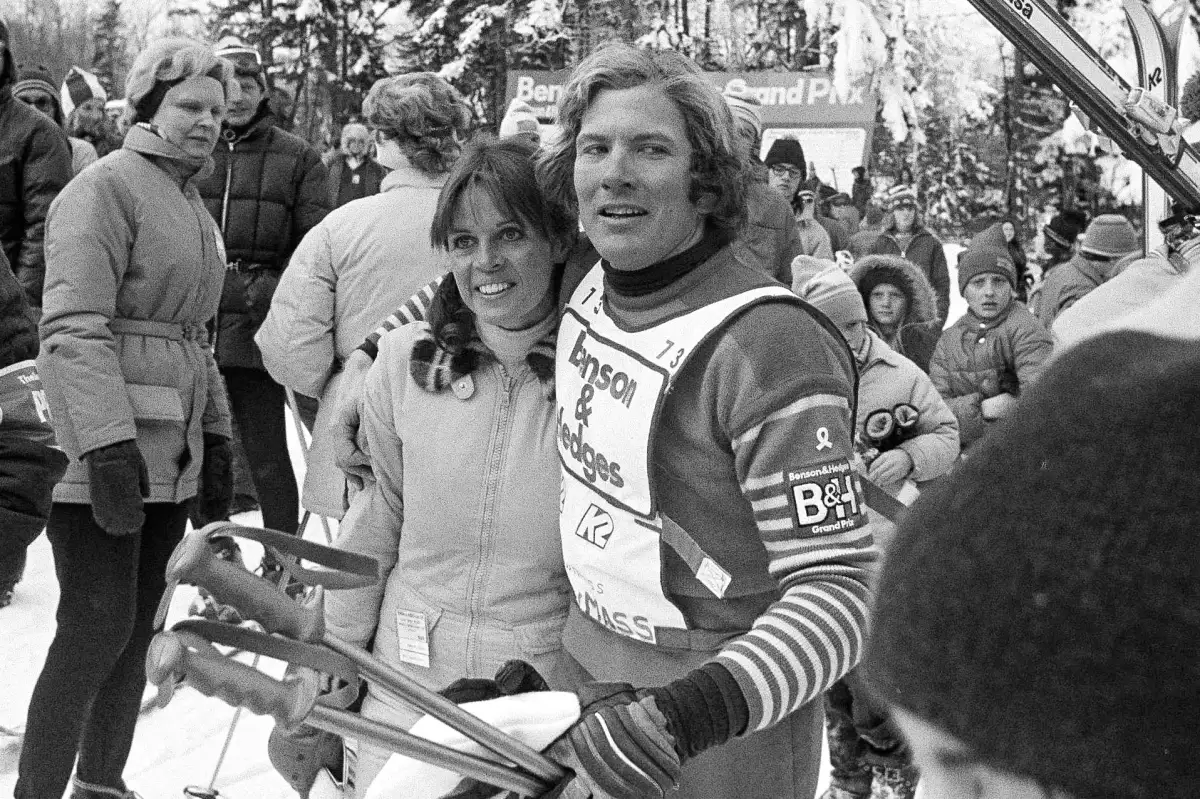
Claudine Longet, the French singer and actor whose public profile was defined by the 1976 fatal shooting of Olympic skier Vladimir “Spider” Sabich, died on Thursday, May 14, 2026, at age 84. Her death was confirmed via social media by her nephew, Bryan Longet.
The trajectory of her life remains inseparable from the Aspen manslaughter proceedings that brought her under international scrutiny. Sabich, aged 31 at the time, died from a single gunshot wound to the abdomen. While Longet was charged with reckless manslaughter, the subsequent legal outcome became a subject of lasting critique regarding police procedure and the integrity of the evidentiary chain.
The Procedural Breakdown
Legal analysts often cite the Longet trial as a textbook case of investigative mismanagement. Key errors documented during the proceedings include:
Warrantless seizure: Law enforcement officials obtained a blood sample from Longet without a valid warrant, rendering the evidence inadmissible.
Procedural negligence: The compromise of evidence effectively hampered the prosecution’s capacity to present a coherent narrative before the jury.
Judicial aftermath: Longet ultimately received a conviction for a lesser charge, a result that catalyzed decades of public debate regarding wealth, status, and the judicial system.
Retrospective Context
Before the events of March 1976, Longet was a recognized presence in the entertainment industry, having appeared in television programs and film throughout the 1960s. Following the conclusion of the trial, she maintained a private existence in Aspen, eventually marrying her defense attorney, Ron Austin.
Read More: Victor Willis of Village People Dies at 74
The death of Sabich effectively bifurcated her public identity, moving her from the sphere of pop culture to the archives of criminal jurisprudence. For the public, the event remains a study in how procedural flaws—often dismissed as mere clerical error—can fundamentally alter the outcome of a high-profile homicide investigation.