


The Coalition for Independent Technology Research (CITR) sued Secretary of State Marco Rubio on March 9, 2026, to halt a State Department policy that uses immigration law to punish foreign tech scholars. Filed in a D.C. federal court, the lawsuit claims the administration is unconstitutionally revoking visas and threatening deportation against researchers whose work supports social media regulation.
The legal filing follows the Trump administration's December 2025 decision to bar five prominent European scholars from entering the United States.
Lawyers from the Knight First Amendment Institute and Protect Democracy argue the policy is a "brazen" attempt to silence viewpoints that the administration labels as "anti-conservative censorship."
The U.S. government is now using the physical border to regulate the digital map, treating academic inquiry into "misinformation" as a hostile foreign act.
THE MECHANICS OF THE BAN
The conflict centers on how the State Department defines "censorship." Marco Rubio asserts that foreign regulators and researchers who advocate for stricter rules on platforms like X and Facebook are "undermining the rights of Americans." This perspective treats European digital laws as an extraterritorial attack on the First Amendment.
Read More: New Lawsuits Claim Immigration Policy Silences Critics in USA
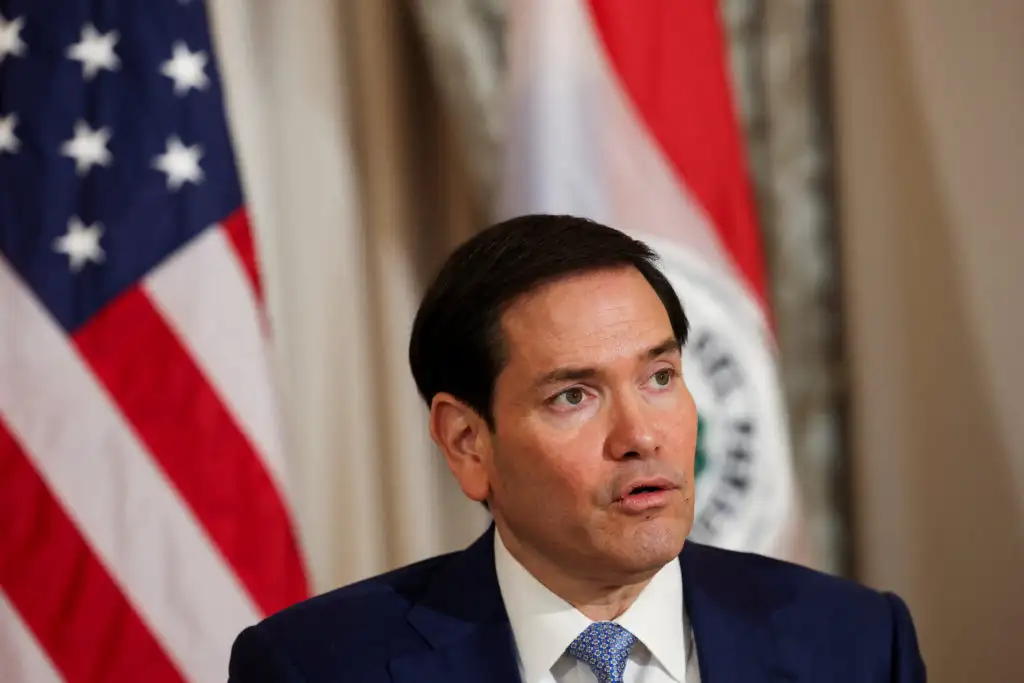
"Foreigners who work to undermine the rights of Americans should not enjoy the privilege of traveling to our country," Rubio stated, framing the visa denials as a defensive measure against "global content moderation."
| Actor | Position | Tool Used |
|---|---|---|
| State Department | Foreign tech rules = American censorship. | Visa revocation, detention, deportation. |
| CITR (Plaintiffs) | Research = Protected speech/association. | First and Fifth Amendment lawsuit. |
| EU Regulators | Misinformation = Public safety risk. | Digital Services Act (DSA). |
BRUISING THE RESEARCH COMMUNITY
The lawsuit describes a "chilling effect" where non-citizen academics now fear that publishing data on platform safety will lead to them being kicked out of the country. This isn't just about big-name politicians; it hits the workers who check facts and study how algorithms move.
The policy targets anyone "complicit" in content moderation, a word the lawsuit calls dangerously "vague."
Some members of the CITR have already stopped their work or pulled out of public talks to avoid the State Department’s "list."
The move mirrors a broader "freeze" on immigrant visas from 75 different nations enacted in early 2026, suggesting a shift toward an isolationist immigration posture based on perceived economic or ideological "wealth extraction."
BACKGROUND: THE FRICTION OF IDEAS
The tension has been building since May 2025, when House Republicans began praising the use of visa restrictions against foreign officials. This strategy bypasses traditional diplomatic squabbles or platform-level lawsuits, choosing instead to target the physical bodies of the people writing the rules.
In late 2025, the administration specifically targeted European leaders involved in the Digital Services Act, which requires American tech giants to pull down "illegal" content in overseas markets.
Critics note the irony: the administration claims to be "defending free speech" by banning people for their speech.
This legal fight happens while the Trump Administration also faces heat for targeting international students who joined campus protests, suggesting a wider pattern of using visa status as a tool for domestic political alignment.
The outcome of CITR v. Rubio will likely decide if the U.S. State Department can legally turn a visa into a loyalty oath regarding how the internet should be governed.