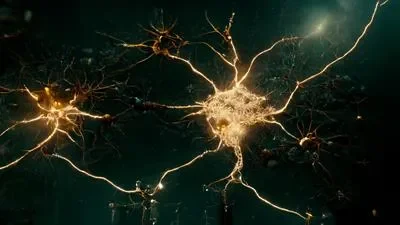
New findings from a report published May 04, 2026, highlight a developing understanding of how chronic pain might steer individuals toward emotional numbness, a state impacting more than just psychological well-being. This psychological detachment, characterized by feeling "flat" or disconnected, is increasingly seen as a significant factor in a cascade of health issues, particularly those affecting the digestive system. While commonly understood health determinants like diet and exercise are often prioritized, the role of emotional health, and specifically numbness, is gaining critical attention from medical professionals.
Research indicates a distinct brain pathway, connecting the thalamus directly to the amygdala, mediates the emotional weight of pain. This circuit appears separate from the pathways responsible for detecting physical pain itself. Studies suggest that by targeting this specific emotional pain circuit, suffering can be reduced without eliminating the body's capacity to register physical injury.
Read More: Rudy Giuliani Hospitalized in Critical Condition in New York
This connection between emotional states and physical health, especially digestive disorders, has been a subject of growing medical interest. The concept of emotional numbness, or blunting, describes a condition where individuals report a diminished ability to feel or express emotions, presenting as a lack of emotional response.
Unpacking the Pain-Emotion Link
Recent neuroscience research has pinpointed a specific neural pathway. This pathway involves a group of neurons in the thalamus that directly relay pain signals to the brain's emotional center, the amygdala. The silencing of this specific circuit has been shown to lessen the subjective suffering associated with pain, while the ability to detect pain sensations remains intact. This distinction suggests that the emotional component of pain can be modulated independently of the sensory aspect.
The ability to tolerate pain, a highly individual experience, is greatly influenced by these emotional processing circuits. Older research, dating back to May 30, 2013, has explored how cognitive and emotional control mechanisms can influence pain perception, and how these controls may become disrupted in chronic pain conditions. Papers from 2013 and earlier have also noted "affective pain modulation" in conditions like fibromyalgia and somatoform pain disorder, pointing to an inherent link between pain processing and emotional states.
Read More: Long COVID Research Faces Funding Cuts, Affecting Millions
Chronic Pain's Broader Impact
Chronic pain is increasingly understood as more than a purely physical ailment. It's described as an intricate experience, deeply interwoven with a person's psychological and emotional landscape. This intricate connection can lead to increased emotional distress, which in turn may amplify the perception of pain.
The May 04, 2026, report underscores that while physical health is often viewed through the lens of external factors like pathogens or lifestyle choices, emotional health represents a crucial, though sometimes overlooked, dimension. The implications of emotional numbness extend to various health concerns, with a particular focus on digestive health emerging as a significant area of inquiry.
Read More: Colorado Mountain Insects Drop 72% Due to Hot Summers