
London, UK - A seismic legal battle is erupting over China's ambitious plans to establish its largest embassy in Europe on the former Royal Mint site in East London. Neighbours, united as the Royal Mint Court Residents Association (RMCRA), are spearheading a judicial review, aiming to scupper the development that has ignited a firestorm of security, privacy, and political concerns. The government's recent approval of the massive 215,300 sq ft complex has done little to quell the storm, instead fanning the flames of a neighbourhood resistance movement fueled by widespread distrust and a gnawing fear of what this colossal structure truly represents.
The stakes couldn't be higher. This isn't just about a building; it's about national security, the integrity of democratic processes, and the fundamental right of citizens to have their voices heard against perceived overreach. As the legal gears begin to turn, probing questions arise: Was this decision truly made with an open mind? Were there whispers and assurances behind closed doors that paved the way for this controversial approval? And as a nation, are we sleepwalking into a potential geopolitical vulnerability disguised as diplomatic progress?
Read More: Prince William Cuts Ties With Sarah Ferguson Due To Jeffrey Epstein Scandal

A Tale of Two Sites: The Royal Mint and a Brewing Storm
The heart of this controversy lies at the former Royal Mint site, a stone's throw from the historic Tower of London. For decades, this location has been slated for redevelopment, but it was China's ambitious proposal to transform it into a colossal European headquarters that truly set alarm bells ringing.
The Proposed Scale: The Chinese embassy is envisioned to be a staggering 215,300 sq ft (20,000 sq m). This isn't just an embassy; it's a "mega-embassy," as many are calling it, raising immediate questions about its intended function beyond traditional diplomatic relations.
The Neighbours: The Royal Mint Court Residents Association (RMCRA) represents around 100 leaseholders living in apartments adjacent to the proposed site, some as close as eight metres away. Their proximity makes the security and privacy concerns intensely personal.
A History of Stalling: The planning application for this massive undertaking has seen its fair share of delays and scrutinised decisions. It was reportedly stalled under the previous Conservative government, only to be revived later, leading to accusations of political intervention.
Government Approval: Despite fierce opposition from politicians, campaigners, and crucially, the RMCRA, the government gave its green light to the redevelopment on January 21, 2026. This decision, however, has not been accepted quietly.
"Opponents of a huge new Chinese embassy next to the Tower of London say they will soon begin legal action in an attempt to block the scheme." (BBC News, Jan 21, 2026)
The Seeds of Doubt: Espionage, Data, and Diplomatic Fallout
The controversy surrounding the proposed Chinese embassy isn't a sudden outburst; it's been brewing for years, fueled by persistent intelligence warnings and a palpable sense of unease regarding China's intentions.
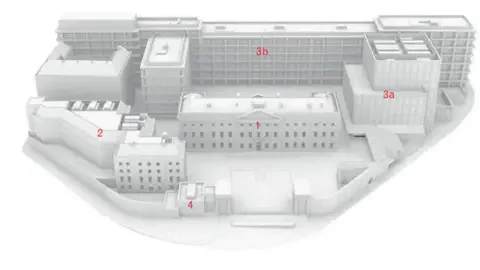
Espionage Fears: A primary concern is the site's proximity to sensitive communication cables crucial for the financial sector's data flow between the City of London and Canary Wharf. Critics, including Westminster's China hawks, fear the embassy could become the "biggest spy nest" in Europe, potentially compromising vital national infrastructure.
US Intervention: The United States has voiced its deep reservations, with a senior US official expressing concern about China gaining "potential access to the sensitive communications of one of our closest allies." This indicates a broader international anxiety about the implications of such a significant Chinese presence.
Past Incidents and Warnings: This isn't the first time China's diplomatic presence has been questioned. The report mentions that plans for the embassy had previously been blocked amid warnings from British intelligence. Furthermore, reports suggest that China has a history of retaliatory actions, such as allegedly shutting off water at the UK embassy in China, raising concerns about how disputes might be handled.
Security vs. Diplomacy: The government has argued that consolidating Chinese diplomatic presence from seven buildings into one could offer security benefits. However, for many, this argument rings hollow when weighed against the potential risks. Foreign Office minister Seema Malhotra stated that national security is a "core priority" and that "a range of measures" are in place, with confidence in the security services. Yet, the very nature of an intelligence-gathering state like China makes such assurances difficult to fully accept.
"Ministers are now under pressure to clarify whether they privately assured Chinese officials that they would progress the application after it had stalled under the Conservatives." (The Guardian, Oct 19, 2025)
The Legal Arsenal: Challenging the 'Quasi-Judicial' Process
The RMCRA, far from being intimidated by the government's approval, has marshalled its forces for a legal offensive. Their strategy centres on a judicial review, a process designed to scrutinise the lawfulness of decisions made by public bodies.
Grounds for Challenge: Campaigners believe there are "several grounds" on which to challenge the legality of the government's decision. A key area of contention revolves around whether ministers gave "advance assurances" to Chinese officials regarding the project's progression.
Advance Assurances: If ministers privately guaranteed the approval of the embassy plans, particularly after they had been stalled, this could render the final decision "unlawful." This would suggest a lack of objective consideration and potentially a pre-determined outcome.
Ministerial Objectivity: The role of the minister responsible – currently Secretary of State Steve Reed – is described as "quasi-judicial." This means they must make decisions objectively, based on the law and with an "open mind," free from political interference or bias.
Crowdfunding for Justice: Recognizing the significant financial undertaking of a legal challenge, the RMCRA has launched a successful crowdfunding campaign, attracting donations from across the UK. This demonstrates the broad public concern and the belief that this fight is not just for local residents but for a wider principle.
The Decision-Maker's Deadline: The decision on the planning application itself was subject to a tight timeline. Steve Reed was initially given until December 10th to decide, a deadline that was subsequently pushed back to January 20th, 2026, just before the final approval was announced.
"The group behind the legal threat – named the Royal Mint Court Residents Association (RMCRA) – represents 100 leaseholders who live in apartments along Royal Mint Street, which neighbours the proposed embassy site." (Local Government Lawyer, Jan 6, 2026)
A Fortress or a Facility? Unpacking the 'Mega' Ambitions
The sheer scale and nature of the proposed Chinese embassy raise profound questions about its intended use and its potential impact on the surrounding area and beyond.
Read More: House Republicans consider new bill for more military money amid Iran tensions

Size Matters: A building of 215,300 sq ft is not merely a diplomatic outpost; it suggests a hub of significant operational capacity. What will this capacity be used for? How many personnel will it house, and what will their roles entail?
Security Theatre vs. Genuine Protection: While the government claims consolidation brings security benefits, critics view the proposed structure more as a "fortress" or a "spy nest." The juxtaposition of a historic landmark like the Tower of London with a modern, potentially covertly equipped mega-embassy creates a striking visual and symbolic tension.
Potential for Terrorism: Residents also voiced fears that the embassy building itself could become a target for terrorism, adding another layer of security complexity to an already fraught situation.
| Aspect | RMCRA Concerns | Government Rationale |
|---|---|---|
| Scale of Building | Exceeds normal diplomatic needs; potential for espionage. | Consolidates operations, potentially improving security. |
| Proximity to Cables | Risk of tapping sensitive financial data. | Security measures are in place; confidence in agencies. |
| Past Delays | Suggests initial intelligence concerns were valid. | Decision made after thorough review. |
| US Objections | Highlights international security implications. | UK government prioritises its national security. |
Expert Voices: Weighing National Security Against Diplomatic Norms
The debate over the Chinese embassy has drawn in experts from various fields, offering critical perspectives on the complex interplay of national security, international relations, and planning law.
Ciaran Martin, former chief executive of GCHQ's National Cyber Security Centre, has publicly addressed the security concerns, dismissing fears regarding the embassy's proximity to data cables. He stated that such concerns were not insurmountable, suggesting that intelligence agencies have methods to manage risks. However, his assessment does not negate the underlying anxieties about state-sponsored espionage.

Conversely, planning lawyers have pointed out the legal perils for the government. One top planning lawyer concluded that approving the embassy could be unlawful if "ministers gave Beijing assurances about the project in advance." This underscores the importance of due process and objective decision-making in planning matters.
Read More: Police search Cardiff journalist home on Wednesday in probe linked to Chinese espionage
The US official's statement, while not from a legal expert, highlights the geopolitical ramifications. The concern over intelligence sharing and allied security indicates that the decision is being viewed through a wider lens of international trust and strategic alliances.
"If the rumours are proven true and unlawful assurances were given to Beijing, the government could face a catastrophic judicial review, where all the details would be laid bare.” (The Guardian, Oct 19, 2025)
The Path Forward: A Legal Reckoning or a Diplomatic Capitulation?
The approval of China's mega-embassy marks not an end, but a fervent beginning to a protracted legal and political struggle. The RMCRA's judicial review is poised to be a high-stakes showdown, with the potential to unearth sensitive details about the decision-making process.
The Judicial Review's Impact: If the RMCRA's challenge is successful, it could lead to the quashing of the planning approval, forcing the government to reconsider the entire proposal. This would be a significant blow to the government's handling of the matter and a victory for citizen activism.
Transparency and Accountability: Regardless of the legal outcome, the process has already forced a degree of transparency, bringing intelligence concerns and accusations of political interference into the public domain. The "catastrophic judicial review" scenario mentioned by experts suggests the government may have more to lose than just a planning application if key details are exposed.
Broader Implications for UK-China Relations: The controversy casts a long shadow over the UK's relationship with China. It highlights a fundamental tension between the desire for diplomatic engagement and the imperative of safeguarding national security in an era of heightened geopolitical competition.
What Lies Beneath? The ultimate question remains: Is this a legitimate diplomatic expansion, or a carefully orchestrated move to establish a significant intelligence foothold on British soil? The ongoing legal battle will undoubtedly shed more light on the motivations and machinations behind this contentious mega-project.
The coming months will be crucial as the legal challenge unfolds. The eyes of the nation, and indeed the world, will be on the courts, waiting to see if the concerns of ordinary citizens can indeed hold power to account when the security of a nation is perceived to be at stake.
Read More: FBI Warns California of Unverified Iran Drone Attack Plot in February 2026
Sources:
BBC News: Chinese embassy opponents to start legal action to block scheme (Jan 21, 2026) - https://www.bbc.com/news/articles/cm2j8pz5j07o
Local Government Lawyer: Residents crowd fund judicial review over controversial Chinese embassy planning application (Jan 6, 2026) - https://www.localgovernmentlawyer.co.uk/planning/401-planning-news/99354-residents-crowd-fund-judicial-review-over-controversial-chinese-embassy-planning-application
The Guardian: Chinese embassy approval could be unlawful if UK ministers gave advance assurances (Oct 19, 2025) - https://www.theguardian.com/world/2025/oct/19/chinese-embassy-approval-could-be-unlawful-if-uk-ministers-gave-advance-assurances
Sky News: Government warned of 'potentially catastrophic' legal challenge over Chinese embassy (Jan 20, 2026) - https://news.sky.com/story/government-warned-of-potentially-catastrophic-legal-challenge-over-chinese-embassy-13496443
iNews: I live next to China’s ‘super embassy’ site – locals are planning legal action (Dec 25, 2025) - https://inews.co.uk/news/china-superembassy-locals-planning-legal-action-4132925
The Times (via AOL): Chinese mega-embassy to be approved within weeks (Date unclear, but within context of Jan 2026) - https://www.thetimes.com/uk/politics/article/chinese-embassy-london-labour-l6vc3k892
The Irish Times: ‘It’s a fortress’: Is China building a mega embassy or a spy nest in London? (Jan 23, 2026) - https://www.irishtimes.com/world/uk/2026/01/23/is-china-building-a-mega-embassy-or-spy-nest-in-london/