
The nation is abuzz, not with news of geopolitical shifts or groundbreaking scientific discoveries, but with… chilli sauce. A recent flurry of articles, all hitting the digital shelves within days of each other, trumpet the "health benefits" of hot sauces, while simultaneously warning us away from the "bad" ones. But peel back the glossy labels and scrutinize the "expert" opinions, and a troubling picture emerges: a potential public health blind spot masquerading as culinary advice. Are we being sold a spoonful of sugar, disguised as a fiery health tonic?
The "Expert" Stampede: Who's Calling the Shots?
It’s a curious phenomenon. Suddenly, the internet is flooded with pronouncements from “experts” like GQ Jordan and Ms. DeLuise, dissecting the merits of various chilli sauces. These pronouncements appear in articles with nearly identical headlines and content, published by seemingly different outlets like the London Mail and the Daily Mail, as well as aggregators like KTT4.
Read More: Global Food Prices Dropped in April
"Health experts have released a report detailing which chilli sauces can provide health benefits and which should be avoided." - KTT4
But who are these experts? The articles offer scant details. Is GQ Jordan a nutritionist? A food scientist? A seasoned chef? We're left to wonder. And why is the same information appearing across multiple, supposedly distinct, news sources? This uncanny duplication raises questions about the authenticity and independence of these "expert" insights. Is this a genuine consensus, or a coordinated effort to push a particular narrative?
Sugar-Coated Truths?
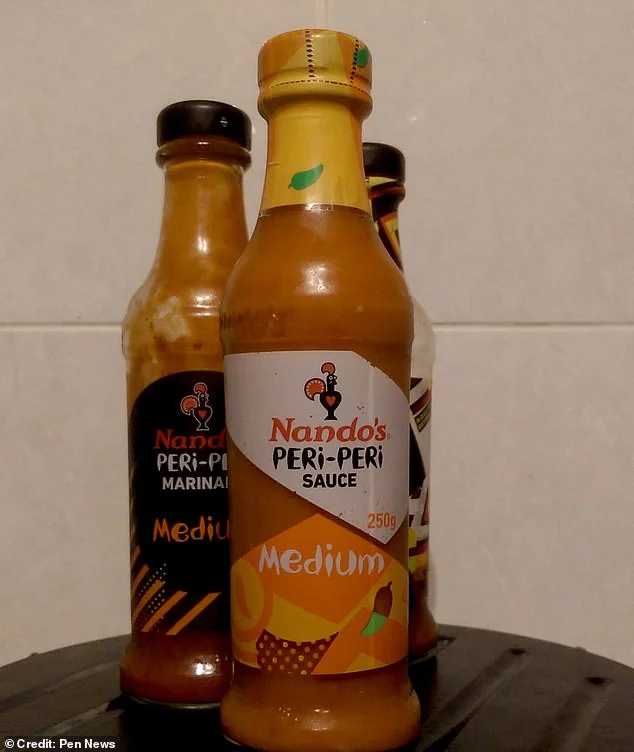
The core of the "health" argument seems to revolve around low calorie counts and, paradoxically, the sugar content of some sauces. One expert, GQ Jordan, points out a specific sauce that, at 24g of sugar per 100g, "behaves much more like a sweet chilli sauce than a traditional hot sauce." Another expert, seemingly the same individual or a closely aligned voice, notes a sauce with 55 grams of sugar per 100 grams as being "firmly in the sweet sauce category."
Read More: New Papers Show Epstein Had Health Problems with Sex Hormones
The Paradox: We're told to seek "health benefits," yet the very sauces being lauded are often contrasted with those loaded with sugar, a known culprit in numerous health issues. How can a sauce be simultaneously "good for you" and characterized by its high sugar content?
What's "Low Calorie"? Ms. DeLuise gives a thumbs-up to a sauce with "around five calories per serving." This sounds appealing, but what is a "serving"? Is it a minuscule drop, or a more realistic dollop? Without clarity on serving sizes, calorie claims can be misleading.
The "Avoid" List: Which sauces are being flagged for avoidance, and why? The articles are remarkably vague. Are they high in sodium? Preservatives? Excessive sugar? Without specific warnings and reasons, this advice is about as useful as a screen door on a submarine.
Frank's RedHot: The Unsung (and Questionable) Hero?
Amidst the nebulous pronouncements, Frank's RedHot emerges as a recurring "good option." It’s lauded for being "low in calories" and even described as a "good hot sauce option." However, the context provided is confusing:
Read More: Burger Deal for Driver Oscar Piastri Changed
One article states: "Frank's RedHot is a good option, low in calories according to the experts. Frank's Red Hot buffalo sauce is a good hot sauce option according to the experts."
Another, almost identical passage, reads: "Frank's RedHot is a good option, low in calories according to the experts Frank's Red Hot buffalo sauce is a good hot sauce option according to the experts."
This repetition is peculiar. Is it simply poor editing, or is there a deeper agenda? Frank's RedHot is famously not a "hot" sauce in the extreme sense; it’s a vinegar-based cayenne pepper sauce. Its appeal lies in its tang and moderate heat, making it a versatile condiment. But to frame it as a health-booster seems a stretch, especially when its nutritional profile, like many other condiments, isn't inherently "healthy" in large quantities.
Read More: Actor James Van Der Beek Dies at 48 from Bowel Cancer; Early Signs Often Missed

The Scoville Scale Mystery: Why the Silence?
We’re bombarded with claims about "heat levels" and "spice," yet the fundamental metric for measuring chilli heat – the Scoville Heat Unit (SHU) scale – is conspicuously absent from most of these articles. Chavez, quoted in one piece, explains why this might be:
"That’s often why you don’t often see a Scoville rating listed on hot sauce bottles, says Chavez." - NBC News
This is a critical omission. Without Scoville ratings, how can consumers truly gauge the heat of a sauce they are purchasing? Is it a mild tingle, or a volcanic inferno? The absence of this data, coupled with vague descriptions of "heat," leaves consumers in the dark.

The Goal: One article from Chilli Chump mentions scoring sauces on "Heat Level" and "Heat Linger," but these are subjective. The goal, they state, is "not to reward heat alone, but to highlight sauces that deliver great taste and work well with real food." While admirable, this still sidesteps the objective measurement of spice.
What’s Being Measured?: If the focus isn't purely on heat, what are the "health benefits" being measured against? Is it simply the absence of unhealthy ingredients, rather than the presence of beneficial ones?
The "Chilli Sauce" vs. "Hot Sauce" Conundrum
The distinction between "hot sauce" and "chilli sauce" is also muddied. One article notes:
Read More: Blueberries Are Good For Your Heart, Brain, and Gut
"At its heart, a chilli sauce is beautifully simple. Thai Sweet Chilli Sauce: A thick, syrupy, and mild sauce made from red chilli flakes, vinegar, garlic, and a lot of sugar." - Flavor365
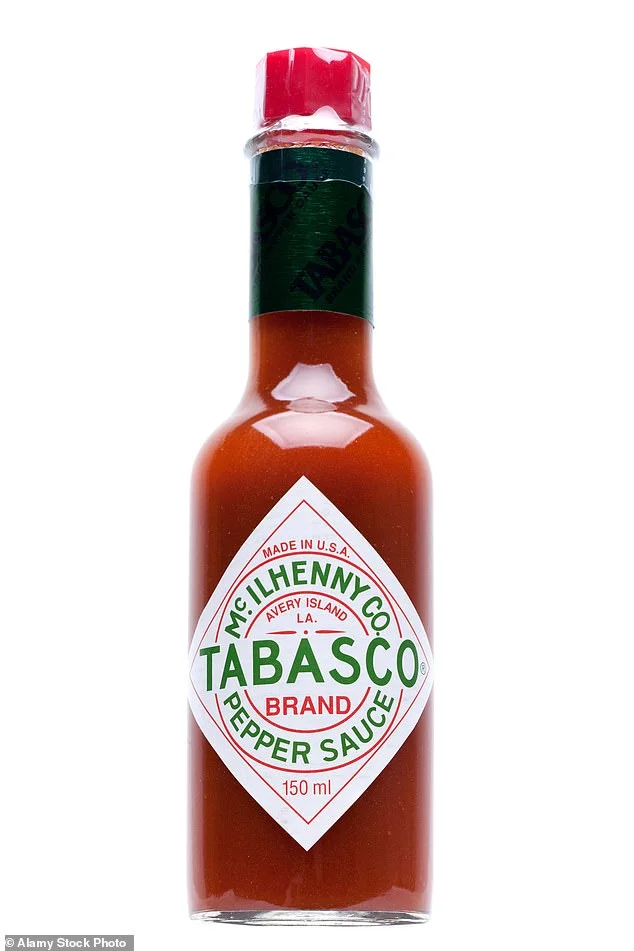
This definition perfectly captures why so many popular "chilli sauces" are more akin to sweet condiments than the sharper, more vinegar-forward "hot sauces" like Tabasco or Frank's.
The Sugar Trap: The very description of Thai Sweet Chilli Sauce highlights "a lot of sugar." Is this the type of sauce being subtly promoted as "healthy"?
Examples: The same article lists Tabasco and Frank's RedHot as examples of hot sauce, while defining chilli sauce as syrupy and sugary. This suggests a fundamental difference in their composition and potential health impact, yet the "expert" articles seem to conflate them.
Beyond the Spice: What's Really in the Bottle?
The articles touch upon various aspects of hot sauce, but crucial details about ingredient quality and manufacturing practices remain underexplored.
Read More: Know the Early Signs of Colon Cancer
Nutritional Content: Beyond sugar and calories, what about sodium levels? Many hot sauces are high in salt, which can be detrimental to cardiovascular health. Are the "good" sauces low in sodium, or is this aspect being overlooked?
Preservatives and Additives: Are the recommended sauces free from artificial colors, flavors, or preservatives? These can have their own health implications.
Pepper Power: Hot sauce gets its spice from peppers. Are certain peppers inherently more beneficial? Melinda's Original Habanero is mentioned as a favorite, but what makes it stand out from a health perspective? Is it the habanero itself, or how the sauce is formulated?
The Bottom Line: A Heady Mix of Hype and Healthwashing
The recent surge in articles championing "healthy" hot sauces feels less like genuine investigative journalism and more like a well-orchestrated campaign. The vagueness of the "expert" sources, the duplication of content, the confusing messaging around sugar and calories, and the omission of critical data like Scoville ratings all point to a potential disconnect between the glossy headlines and tangible health advice.
Read More: New Judge Matt Tebbutt Joins MasterChef: The Professionals, Viewers Like Him
We are left with more questions than answers:
Who are these "experts," and what are their qualifications and affiliations?
What is the specific methodology used to determine "health benefits"?
Which specific sauces are to be avoided, and why?
What are the full nutritional profiles (including sodium, sugar, and additives) of the recommended sauces?
Is the focus on low calories a smokescreen for high sugar content in some instances?
Why is the Scoville scale, the standard measure of heat, so rarely mentioned?
Until these questions are addressed with transparency and scientific rigor, consumers should approach claims of "health-boosting" hot sauces with a healthy dose of skepticism, and perhaps, a pinch of salt – not from the sauce bottle, but from their own critical analysis.
Sources:
Read More: AI Finds Sperm, Skin Cells Made Into Eggs for Fertility Help



:max_bytes(150000):strip_icc()/VWH_EarlySignsofColonCancer-be7dc99d4bfb4a37b2e6bec8d9f4cfd7.png)