This isn't just about statistics; it's about lives hanging in the balance. Reports are surfacing, painting a grim picture of a "postcode lottery" in cancer care, where timely treatment and access to cutting-edge therapies are dictated not by medical need, but by where a patient calls home. This is more than an inefficiency; it's a life-and-death gamble for countless individuals and their families across the UK. The question isn't if this system is failing, but how deep the rot goes and who is truly being held accountable for these avoidable tragedies.
A Growing Shadow: The Unequal Fight Against Cancer
For too long, the specter of a "postcode lottery" has haunted cancer patients in the UK. This isn't a new phenomenon, but recent reports suggest it's reaching crisis levels, with stark disparities emerging in both treatment speed and access to the latest, potentially life-saving innovations.
Read More: New Papers Show Epstein Had Health Problems with Sex Hormones
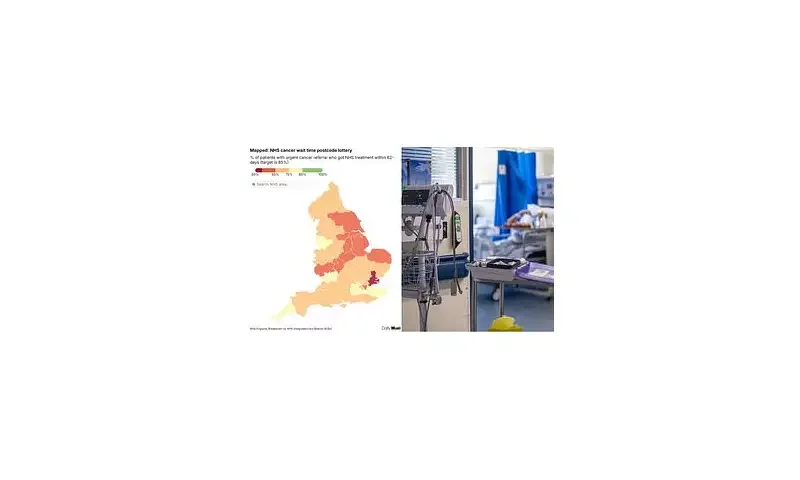
"Behind every cancer delay statistic is a patient and their loved ones, and these delays mean avoidable deaths." - Irish Cancer Society Policy Manager, as reported by the Irish Examiner.
This sentiment echoes across the nation. Patients diagnosed with cancer are entering a system where their chances of receiving prompt, effective care can differ dramatically based on their geographical location.
The Core Issue: Access to timely treatment and advanced therapies is inconsistent across different regions.
The Impact: This disparity leads to prolonged suffering, increased anxiety, and, most tragically, preventable deaths.
Who is Affected? Cancer patients across the UK, with particular concern for those in rural and coastal communities, and those needing specialized treatments.
A History of Warnings, A Present Crisis
The alarm bells have been ringing for years. Organizations like Macmillan Cancer Support have repeatedly highlighted the unfairness in cancer care.
Read More: Thomas Partey Denies Rape and Sexual Assault Charges
Macmillan's Stance: "Right now, cancer care isn’t fair… We need to see urgent action to make cancer care fair." (Macmillan.org.uk, Sep 2025)
Previous Government Pledges: As far back as January 2026, the UK government announced plans to "end the cancer postcode lottery," promising more specialists for communities most in need and tackling inequalities. (Gov.uk, Jan 2026)
Yet, despite these pronouncements, the reality on the ground appears to be stubbornly resistant to change. Doctors and patient advocacy groups continue to warn of a "deadly postcode lottery."
"When you face cancer symptoms and treatment, you often feel alone. The National Cancer Plan for England is a huge opportunity to break down the barriers to everyone accessing world-class cancer care." - Steven McIntosh, Chief Partnerships Officer at Macmillan Cancer Support (Gov.uk, Jan 2026)
The Mechanisms of Inequality: Where Does the Breakdown Occur?
The "postcode lottery" isn't a single, simple problem. It's a complex web of issues, ranging from the availability of specialists to the approval and funding of advanced treatment technologies.
Read More: Actor James Van Der Beek Dies at 48 from Bowel Cancer; Early Signs Often Missed

Treatment Speed Disparities: Data reveals significant differences in the percentage of patients starting treatment within target times.
Region % Starting Treatment on Time Source North East and Yorkshire 62.2% Britbrief.co.uk South West 64.9% Britbrief.co.uk East of England 67.4% Britbrief.co.uk This means thousands of patients in these regions face longer, anxious waits.
Access to Advanced Therapies: Even when treatments are proven effective, their availability can hinge on a hospital's location and funding.
Specific Treatments Under Scrutiny:
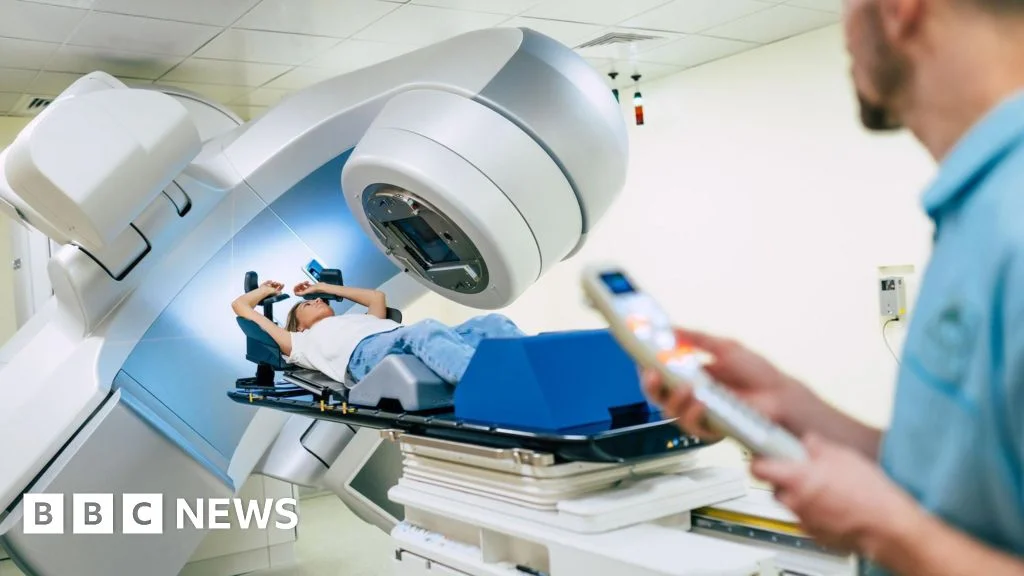
Stereotactic Ablative Body Radiotherapy (SABR)
Molecular Radiotherapy (MRT)
Surface-Guided Radiation Therapy (SGRT)
These cutting-edge techniques offer greater precision and potentially fewer side effects but are often restricted to a few well-equipped centers.
Bureaucratic Hurdles: Reports from organizations like the Royal College of Radiologists (RCR) point to excessive red tape and the need for individual cancer units to apply to NHS England for funding, creating delays and inequalities. (BBC News, Sep 2025; Distilledpost.com, Sep 2025)
Read More: New Files Show Sarah Ferguson and Prince Andrew Stayed Friends with Epstein
"But that’s not true if access to modern radiotherapy, one of our most important cancer treatments, depends on where you live." - Guardian, Feb 2026.
Who is Making the Decisions? The Unseen Architects of Delay
While the focus often falls on regional disparities, who is actually responsible for the allocation of resources and the approval of new treatments? The answer seems to be a layered system involving NHS England, local trusts, and potentially national funding bodies, creating a complex and often opaque decision-making process.
NHS England's Stance: A Plan for Progress?
NHS England acknowledges the challenges and states that its forthcoming National Cancer Plan is designed to address these issues. They maintain that advanced radiotherapy is available where strong clinical evidence supports its use.
"NHS England said the cancer plan would make novel treatments more widely available." - The Guardian, Feb 2026.
Read More: Know the Early Signs of Colon Cancer
However, campaigners and doctors remain skeptical, suggesting that the current mechanisms are insufficient to overcome the deeply entrenched inequalities.
The Promise: A new National Cancer Plan aims to boost specialists in rural/coastal areas, speed diagnosis, and improve care. (Healthandme.com, Jan 2026)
The Doubt: Are these plans mere promises, or do they come with concrete, enforceable mechanisms to ensure equitable distribution of resources and treatments?
The Doctors' Demands: A Call for Radical Change
Leading medical bodies are making their voices heard, urging the government to use the National Cancer Plan as a catalyst for fundamental change.
Key Organizations: The Royal College of Radiologists (RCR) and Radiotherapy UK are at the forefront of these warnings.
Core Arguments:
Bureaucracy is hindering access to vital treatments like SABR.
Cutting-edge therapies are only available in a minority of NHS centers.
Patient location unfairly determines access to life-saving care.
The Plea: "Leading bodies are therefore urging the government to use its national cancer plan to ensure equitable access to life-saving therapies and address these glaring regional inequalities." (Distilledpost.com, Sep 2025)
When Does a Promise Become Action? Probing the System's Failures
The consistent warnings from medical professionals and patient advocates, coupled with concerning statistical data, raise critical questions that demand direct answers:
Read More: Champion Horse Constitution Hill Tries New Race Type
Accountability Gap: If delays lead to avoidable deaths, as stated by the Irish Cancer Society, who bears the ultimate responsibility? Is it solely the frontline staff, or are the administrators and policymakers overseeing the system culpable?
The Bureaucracy Blame: Why has "excessive red tape" been allowed to persist for so long, acting as a barrier to life-saving treatments? What specific steps are being taken to dismantle these bureaucratic hurdles, rather than just promising to do so?
Funding vs. Need: If advanced treatments are available where there's "strong clinical evidence," why isn't that evidence sufficient to secure widespread funding and implementation across all regions? What are the exact criteria used for approving funding for new technologies, and are these criteria consistently applied?
The "National" Plan's Reach: How will the new National Cancer Plan ensure that its provisions are enforced across all NHS trusts, not just interpreted or selectively adopted? What independent oversight mechanisms will be in place to monitor compliance and address regional failures?
Data Transparency: While some data on waiting times is emerging, is there a comprehensive, real-time system tracking access to all novel treatments by region? If not, why not? How can we fix a problem we aren't fully measuring?
The Role of Private Healthcare: In a system with a perceived "postcode lottery," does this create an unofficial two-tier system where those who can afford it may bypass these regional limitations? What impact does this have on the overall equity of care?
The Stark Reality: Time is Not a Luxury, It's a Lifeline
The evidence presented is not a minor inconvenience; it's a stark indictment of a system that is failing to deliver on its most basic promise: to care for the sick, regardless of their address. The concept of a "postcode lottery" in cancer treatment is an unacceptable failure of public health policy and a betrayal of the trust placed in the NHS.
Read More: AI Finds Sperm, Skin Cells Made Into Eggs for Fertility Help
The Data Speaks: From treatment delays highlighted by Britbrief.co.uk to the access issues with SABR reported by the BBC and Distilled Post, the pattern is undeniable.
The Human Cost: Behind every statistic is a person enduring immense physical and emotional strain, their fate potentially sealed by decisions made far from their bedside.
The Path Forward (or lack thereof): While government plans and pledges offer a glimmer of hope, the persistent warnings from medical experts and advocacy groups underscore the urgency for concrete action, not just pronouncements. The true test lies not in the publication of plans, but in their effective, equitable implementation.
The question remains: will the promised "end" to the postcode lottery translate into tangible improvements for patients, or will it be another set of well-intentioned words lost in the bureaucracy of a system under immense pressure? The lives of thousands depend on the answer.
Sources:
Irish Examiner: Cancer patients face postcode lottery for timely treatment
https://www.irishexaminer.com/news/munster/arid-41788718.html
Gov.uk: Government to end cancer postcode lottery for patients
https://www.gov.uk/government/news/government-to-end-cancer-postcode-lottery-for-patients
The Guardian: ‘Deadly postcode lottery’ restricting new cancer treatments in England, doctors say
Macmillan.org.uk: People with cancer across the UK have been let down by a ‘cancer postcode lottery’.
https://www.macmillan.org.uk/about-us/latest-news/news-and-stories/cancer-postcode-lottery
Healthandme.com: Cancer Postcode Lottery: What Is It And Why Is UK Govt Putting An End To It?
Distilledpost.com: Doctors Warn of “Deadly Postcode Lottery” Restricting Access to New Cancer Treatments in England
Britbrief.co.uk: NHS Cancer Care Crisis: Shocking Treatment Delays Revealed Across England
BBC News: Postcode lottery for new cancer treatments, doctors warn
Read More: Questions About Keir Starmer's Choices After Lord Doyle Appointment



:max_bytes(150000):strip_icc()/VWH_EarlySignsofColonCancer-be7dc99d4bfb4a37b2e6bec8d9f4cfd7.png)